
Novel: The Laughing Cavalier
Overview
Baroness Orczy's The Laughing Cavalier (1913) is a historical adventure that serves as a prequel to the famous Scarlet Pimpernel tales. It traces the exploits of Diogenes, the ancestor later celebrated as the first Pimpernel, portraying him as a daring, resourceful figure whose wits and courage mark him out as a prototype of the clever rescuer that Orczy would immortalize. The novel blends romance, intrigue, and swashbuckling action against a turbulent European backdrop.
The narrative celebrates audacity and honor, presenting Diogenes as both a charming wit and a skilled strategist who moves through courts and battlefields with ease. Orczy uses the prequel format to deepen the mythology of the Pimpernel line, explaining the origins of the daring rescue spirit that defines her later hero.
Setting and Background
The story unfolds during the Thirty Years' War, a chaotic, continent-spanning conflict that provides a vivid and dangerous stage for Diogenes's adventures. Orczy evokes the period's shifting alliances, mercenary armies, and the frictions between Catholic and Protestant powers to heighten the novel's stakes, making every mission and escape feel urgent and consequential.
Orczy contrasts the grim realities of war with scenes of courtly life, masked balls, and secret councils, showing how danger hides behind aristocratic civility. The political complexity of the era allows Diogenes to operate as a shadowy force, exploiting rivalries and loyalties to rescue innocents and thwart malicious plots.
Plot and Principal Action
The core of the story follows a sequence of daring episodes in which Diogenes rescues captives, outwits corrupt officials, and unravels conspiracy. Each adventure reveals a facet of his character: his cool-headed improvisation in peril, his talent for disguise and deception, and his unshakeable devotion to those he protects. Danger, romance, and clever reversals drive the plot forward at a brisk, cinematic pace.
Interwoven with the action are personal stakes that humanize the hero. Romantic entanglements and friendships complicate his missions, forcing Diogenes to balance passion and principle. Orczy stages numerous set-piece scenes, sudden duels, midnight escapes, and clever ruses, that showcase both his ingenuity and the perilous moral choices he must make.
Themes and Character
Honor, sacrifice, and the responsibility of power emerge as central themes. Diogenes embodies the ideal of a nobleman who uses bravery and guile not for self-aggrandizement but to protect the weak and punish tyranny. Loyalty and cunning operate together: the hero relies as much on his network and strategic thinking as on his swordsmanship.
Orczy also explores the nature of identity. Diogenes slips in and out of roles, taking advantage of assumed personas to confuse enemies and rescue the vulnerable. This chameleon quality underscores the series' larger meditation on bravery masked by levity, the laughter and swagger conceal a serious moral core.
Style and Legacy
Orczy's prose combines brisk adventure storytelling with period detail and theatrical flair. Dialogue often crackles with wit while descriptive passages conjure the period's atmospheres, from smoky taverns to glittering salons. The tone shifts smoothly between light banter and grave moments of peril, keeping the reader engaged while maintaining moral clarity.
The Laughing Cavalier enriches the Scarlet Pimpernel legend by tracing its roots to an earlier age of conflict, proving influential for readers who enjoy historical romance and masked-hero tales. Its blend of daring escapades, clever stratagems, and romantic intrigue helped cement Orczy's reputation as a master of rousing, character-driven adventure.
Citation Formats
APA Style (7th ed.)
The laughing cavalier. (2025, September 13). FixQuotes. https://fixquotes.com/works/the-laughing-cavalier/
Chicago Style
"The Laughing Cavalier." FixQuotes. September 13, 2025. https://fixquotes.com/works/the-laughing-cavalier/.
MLA Style (9th ed.)
"The Laughing Cavalier." FixQuotes, 13 Sep. 2025, https://fixquotes.com/works/the-laughing-cavalier/. Accessed 26 Mar. 2026.
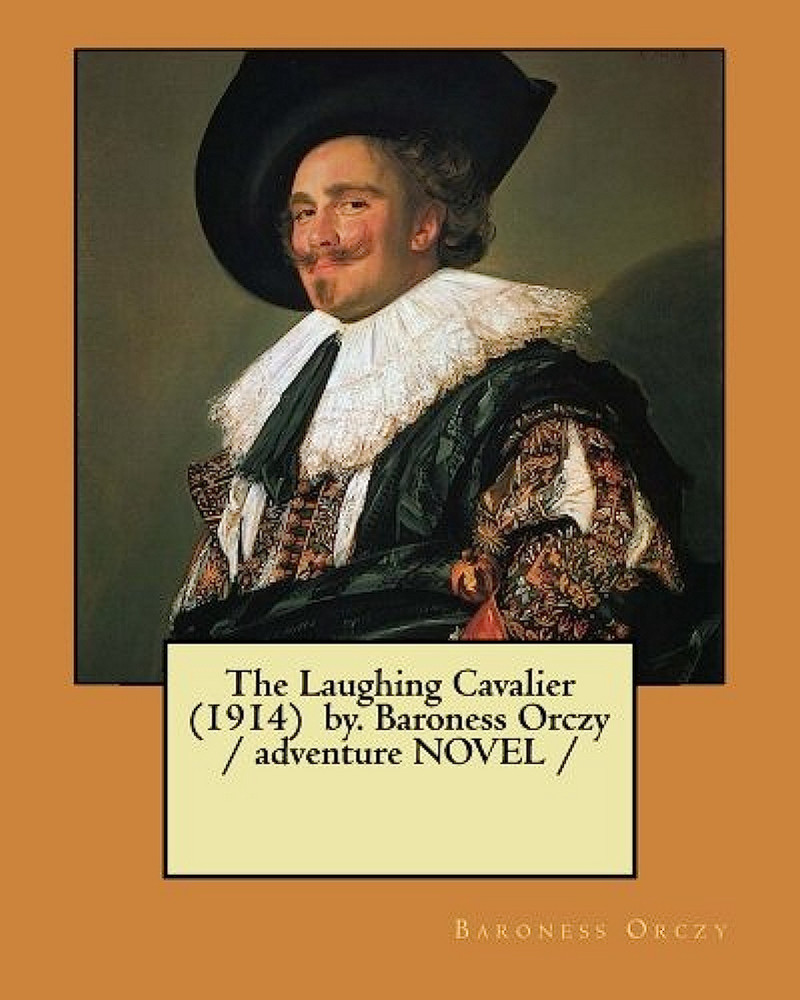
The Laughing Cavalier
This historical novel is a prequel to The Scarlet Pimpernel series and chronicles the adventures of Diogenes, the first Pimpernel, in the time of the Thirty Years' War.
- Published1913
- TypeNovel
- GenreHistorical fiction, Adventure
- LanguageEnglish
- CharactersDiogenes, Gilda Beresteyn, Stoutenburg, Nicolaes Beresteyn
About the Author

Baroness Orczy
Baroness Orczy, author of The Scarlet Pimpernel, and her impact on literature with rich adventures and timeless characters.
View Profile- OccupationNovelist
- FromHungary
-
Other Works
- The Scarlet Pimpernel (1905)
- I Will Repay (1906)
- The Elusive Pimpernel (1908)
- Eldorado (1913)