
Autobiography: The Naked Civil Servant
Overview
Quentin Crisp's The Naked Civil Servant is a frank, witty, and often provocative account of a life lived openly and defiantly at odds with social expectations. Crisp writes with laconic humor and an unflinching eye, recounting episodes of humiliation, endurance, and occasional triumph as he navigates early 20th-century London as an effeminate young man. The narrative moves between personal anecdote and social observation, delivering memorable aphorisms and a piercing clarity about identity, reputation, and the costs of being different.
Early Life and Struggles
Crisp describes childhood and adolescence marked by persistent misunderstanding and violence. Schoolyards, neighborhoods, and many workplaces offered little refuge; taunts and attacks were routine. Family relationships were fraught but formative, shaping a resilience that carried him through years of precarious living and marginal employment. The account does not seek sympathy so much as a portrait of survival: the capacity to adapt, to endure stigma, and to keep a mordant sense of humor.
Confrontations with harassment and the law recur as part of the social landscape Crisp inhabited. Policing and public ridicule sit alongside episodes of kindness from unlikely quarters, illustrating the unevenness of social tolerance. Those encounters are described plainly, neither melodramatic nor sanitized, emphasizing a life negotiated in public spaces where sexuality and appearance invited scrutiny and occasional punishment.
Career and Persona
Work provided both livelihood and a stage. Crisp found roles as a model, performer, and raconteur within London's bohemian and artistic circles. Nudity and posing for art classes, nights spent entertaining, and a series of odd jobs offered a living and a source of stories. Over time he cultivated a very particular persona: immaculately dressed, deliberately mannered, and verbally audacious. That persona was not merely affectation but a strategy for asserting identity and disarming hostility.
Through performance and self-presentation Crisp turned private eccentricity into public currency. His public life became a form of commentary, turning the expectations of decency and masculinity inside out. The anecdotes that populate the narrative show how style, wit, and unrepentant individuality can be used as tools for survival and provocation.
Themes and Style
The book trades in sharp observation and memorable lines. Crisp's prose is concise and epigrammatic, often striking a balance between the comic and the brutal. Central themes include autonomy, the social construction of shame, and the politics of visibility. Sexuality is treated candidly but without sentimentality; identity is framed as both a personal right and a public transaction. There is a recurring insistence that dignity and self-possession do not require conformity to majority norms.
Crisp's voice is at once defiant and weary, capable of caustic judgment but also of surprising tenderness. He frames cruelty and affection as parts of the same social fabric, and his ironic distance allows him to critique institutions and prejudices without becoming didactic. The book's tone and structure foreground character over chronology, making the life sketched within feel like a series of vivid set pieces.
Legacy
The Naked Civil Servant became the work most commonly associated with Quentin Crisp, establishing him as an icon of candid self-representation and an unlikely philosopher of eccentricity. A dramatized adaptation and memorable performances brought the narrative to a wider audience, turning personal history into cultural touchstone. The book endures as a foundational gay autobiography: notable for its candor, its wit, and its refusal to plead for acceptance while nevertheless demanding recognition of individual humanity.
More than a social document, the account reads as a manual of personal sovereignty. Its influence persists among readers who appreciate its blend of humor, resilience, and clear-eyed critique of social hypocrisy. The persona that emerges from the pages is as instructive as the episodes themselves: an argument for fashioning a life on one's own terms, however costly or controversial that choice may be.
Citation Formats
APA Style (7th ed.)
The naked civil servant. (2026, February 4). FixQuotes. https://fixquotes.com/works/the-naked-civil-servant/
Chicago Style
"The Naked Civil Servant." FixQuotes. February 4, 2026. https://fixquotes.com/works/the-naked-civil-servant/.
MLA Style (9th ed.)
"The Naked Civil Servant." FixQuotes, 4 Feb. 2026, https://fixquotes.com/works/the-naked-civil-servant/. Accessed 12 Feb. 2026.
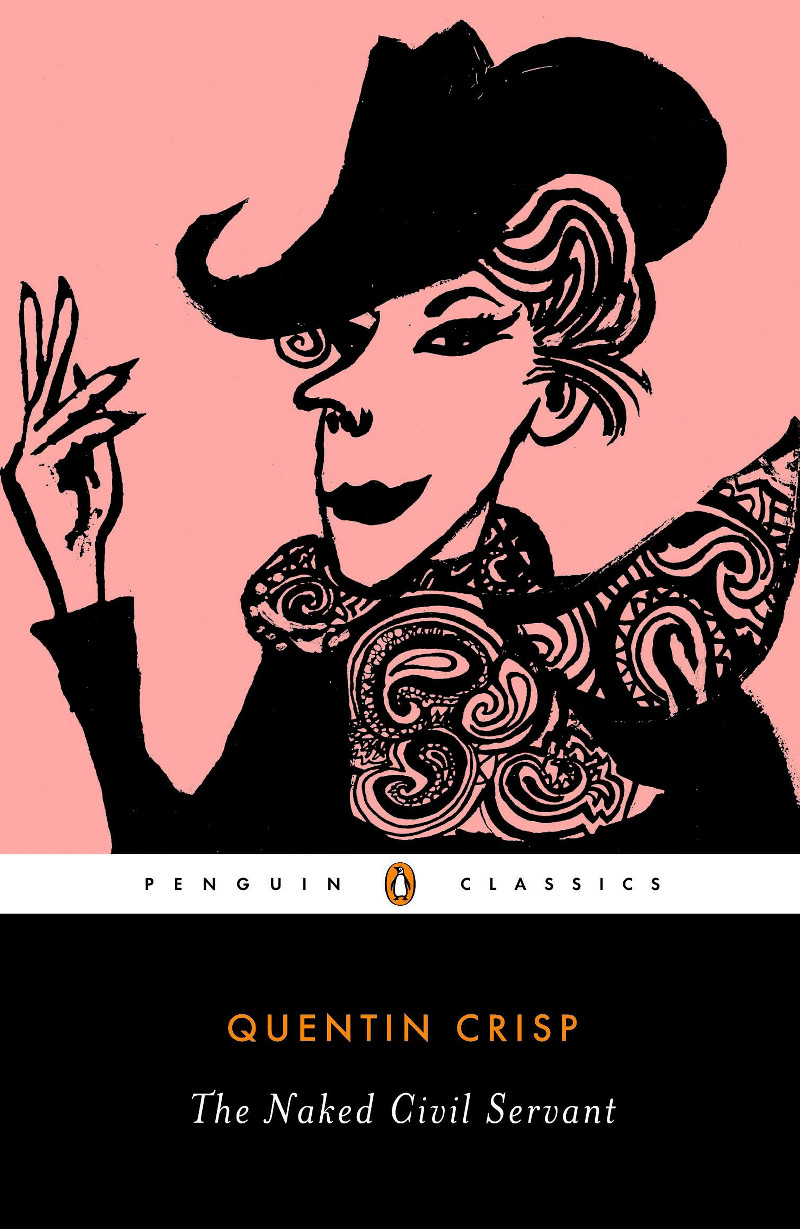
The Naked Civil Servant
Quentin Crisp's best-known autobiography in which he recounts growing up effeminate in early 20th-century London, his experiences working as a model and performer, encounters with harassment and jail, and his development of a distinctive public persona , candid, witty, and defiant about sexuality and individuality.
- Published1968
- TypeAutobiography
- GenreAutobiography, Memoir, Non-Fiction
- Languageen
- CharactersQuentin Crisp
About the Author

Quentin Crisp
Quentin Crisp covering his life, writings, public monologues, notable quotes, and influence on queer culture and performance.
View Profile