
Play: The Private Ear
Overview
Peter Shaffer's short comic play from 1962 explores the delicate aftermath of romantic anticipation and the absurdities that spring from mismatched personalities. The action takes place in a modest domestic setting and follows a painfully shy young man whose private hopes for a romantic encounter are thrown into disarray when his confident, worldly friend arrives unexpectedly. The play uses crisp dialogue and carefully observed behavioral detail to dramatize how private longing collides with social performance.
Shaffer wrote the piece as a compact character study, often performed as a companion to his darker counterpart, "The Public Eye." The two plays together examine the contrast between inner life and outward image, but "The Private Ear" stays chiefly within the domestic and comic register, favoring quiet emotional truth over melodrama.
Plot Summary
The shy protagonist has arranged what he hopes will be an intimate evening to explore his feelings and perhaps begin a romance. He rehearses small gestures and fantasies in solitude, attentive to the nuances of conversation and the slightest sign of reciprocal interest. His anticipation creates a fragile atmosphere, one that depends on subtlety and a willingness to be open.
That fragile balance is shattered by the arrival of a self-assured friend whose easy charm and brash manner unsettle both the host and the visiting woman. The friend's presence shifts the dynamic from tentative intimacy to competitive display, and misunderstandings multiply as each character misreads signals and imposes narratives onto the others. Comic moments arise from exaggerated manners and embarrassed retreats, but there is a persistent undertow of melancholy as the central character grapples with his inability to perform confidence.
In the play's quieter moments the consequences of these misunderstandings become plain: opportunities are missed, defenses are raised, and the moment that might have been transformative dissolves into awkwardness. The conclusion leaves the characters altered by what has happened, with emotional truths revealed through small gestures rather than grand resolutions.
Characters and Relationships
The principal figures represent a triangle of contrast: the inward, highly sensitive young man whose inner life is rich but socially inhibited; his sister or close female acquaintance, who is caught between sympathy and exasperation; and the confident male friend who acts as the catalytic force. Shaffer gives each character distinct rhythms of speech and behavior, so that their clashes feel inevitable rather than contrived.
Relationships are portrayed with a mixture of empathy and ironic distance. The shy character's vulnerability invites both compassion and inadvertent cruelty, while the extrovert's bravado masks his own insecurities. The female figure often alternates between wanting to help and being frustrated by the passive partner's inability to claim agency, producing scenes that are both funny and quietly heartbreaking.
Themes and Tone
The play turns on themes of privacy, performance, and the gulf between intention and perception. Shaffer probes how social masks protect and isolate, and how the effort to appear a certain way can ruin the very intimacy people seek. Comic elements come from situational irony and character foibles, but the humor is shaded with tenderness rather than mockery.
Tone shifts skillfully between light comedy and poignant observation. Moments of slapstick or bravado are counterbalanced by silences that reveal the characters' inner solitude. The result is a bittersweet portrait of human hesitation and the small tragedies that attend desire left unspoken.
Staging and Legacy
Staging tends to be intimate and domestic, with minimal props and an emphasis on close, finely tuned performances. Directors often foreground the contrasts in physicality between the awkward and the assured characters, letting pauses and glances do much of the storytelling. Because of its brevity and thematic pairing, the play is frequently performed alongside "The Public Eye, " creating a fuller exploration of private versus public selves.
"The Private Ear" marks an early example of Shaffer's skill with dialogue and character psychology and prefigures the author's later, larger works. It remains a compact, affecting piece that rewards careful acting and direction, and it continues to be produced for its sharp balance of comedy and emotional honesty.
Citation Formats
APA Style (7th ed.)
The private ear. (2026, February 12). FixQuotes. https://fixquotes.com/works/the-private-ear/
Chicago Style
"The Private Ear." FixQuotes. February 12, 2026. https://fixquotes.com/works/the-private-ear/.
MLA Style (9th ed.)
"The Private Ear." FixQuotes, 12 Feb. 2026, https://fixquotes.com/works/the-private-ear/. Accessed 12 Feb. 2026.
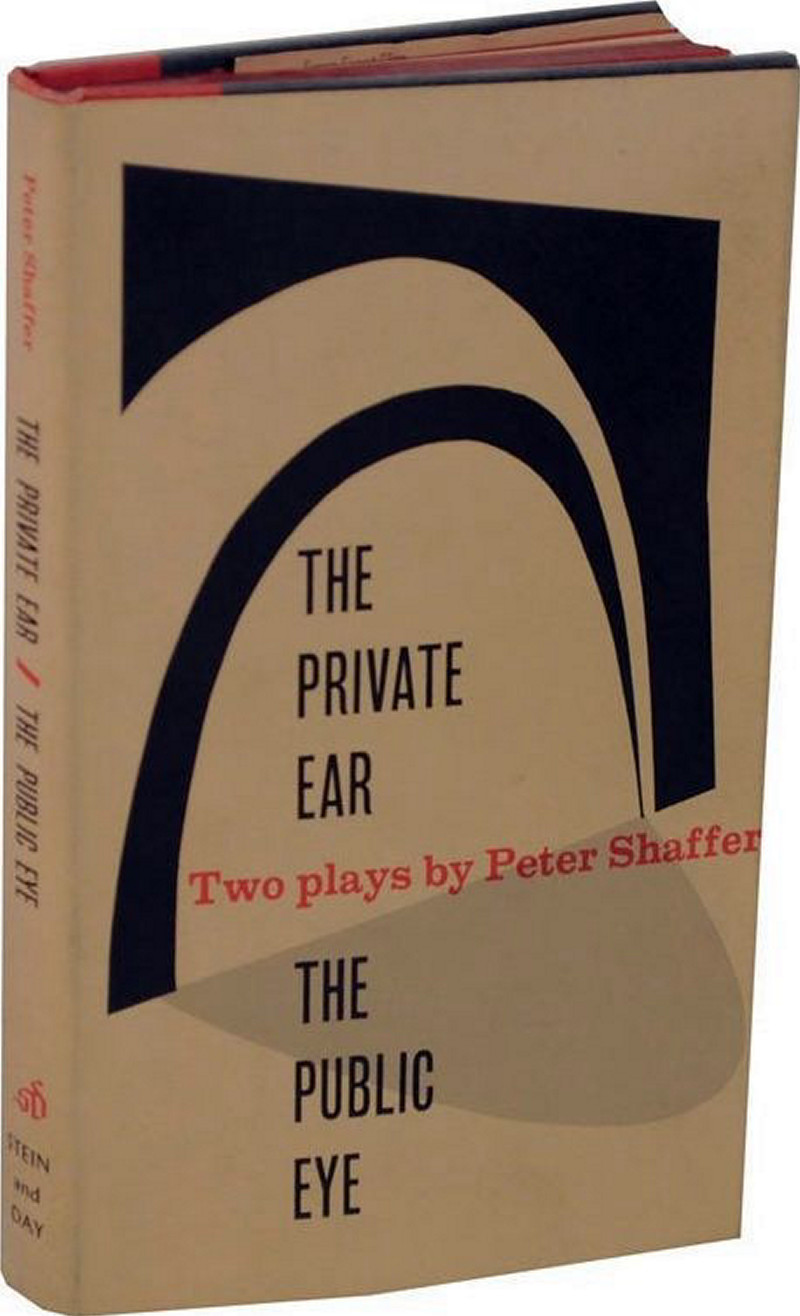
The Private Ear
A short comic play about a shy young man, his sister and the romantic misunderstandings that follow when a confident friend visits; frequently paired in performance with Shaffer's companion piece The Public Eye.
About the Author

Peter Shaffer
Peter Shaffer covering his life, major plays such as Equus and Amadeus, collaborations, awards, and legacy.
View Profile- OccupationPlaywright
- FromEngland
-
Other Works
- Five Finger Exercise (1958)
- The Public Eye (1959)
- The Royal Hunt of the Sun (1964)
- Black Comedy (1965)
- Equus (1973)
- Equus (screenplay) (1977)
- Amadeus (play) (1979)
- Amadeus (screenplay) (1984)
- Lettice and Lovage (1987)