
Play: The Public Eye
Overview
Peter Shaffer's The Public Eye is a short, sharp companion piece to The Private Ear that relocates the same group of characters from private intimacy into the glare of public life. Written for performance alongside its counterpart, the play compresses social comedy and dramatic irony into a brief encounter that reframes earlier vulnerabilities as public performances. The result is a concise study of how appearance, self-protection and social expectation distort romantic communication.
Rather than repeating private tenderness, the piece foregrounds the theatricality of everyday social situations. Shaffer turns ordinary small talk, flirting and posturing into a kind of stagecraft, exposing the ways people invent selves for others and misread the inventions of those around them. The tone moves between sharp comedy and a muted poignancy, so that laughter often carries an aftertaste of unease.
Setting and Plot
The action takes place in a public social environment, a party or nightclub atmosphere, where characters who were previously shown in private now encounter one another with witnesses and obligations. The confined stage time intensifies small missteps: casual remarks acquire consequences, rehearsed witticisms misfire and private hurts are masked by bravado. Shaffer uses the change of setting to show how social context reshapes relationships, making earlier intimacies look fragile or surprising under bright scrutiny.
Scenes pivot on a series of misunderstandings and misread signals that escalate simply because of who is present and what is expected of them. A character's attempt to appear composed or worldly becomes a source of comic self-betrayal; gestures that in private would be tentative take on the weight of declaration when observed. The play does not resolve into melodrama; instead it leaves certain tensions unresolved, inviting the audience to register how quickly public performance can substitute for honest connection.
Themes and Style
Shaffer examines the gap between inner truth and outward show, treating social performance as both a survival mechanism and a source of alienation. Appearance operates at multiple levels: clothing and manners, of course, but also cultivated speech, irony, and the deliberate concealment of feeling. The piece interrogates gendered expectations of charm and confidence, showing how lovers rehearse roles that may hurt the very intimacy they hope to protect.
Stylistically economical, the play relies on crisp dialogue, precise timing and the actors' ability to shift registers between sincerity and affectation. Shaffer's ear for the cadences of polite speech turns ordinary exchanges into instruments of revelation, while pauses and physical business carry as much meaning as lines. The interplay with The Private Ear deepens the impact: seeing the same personalities behind closed doors and then onstage among others magnifies the play's central questions about authenticity and performance.
Significance
As a companion piece, The Public Eye complements and complicates the portrait sketched in The Private Ear, offering a fuller picture of the characters' emotional lives. It speaks to mid-20th-century anxieties about identity and social mobility while remaining sharply relevant to contemporary concerns about how people curate themselves for public view. Its blend of wit and melancholy showcases Shaffer's early mastery of theatrical compression and his enduring interest in the masks people wear.
Citation Formats
APA Style (7th ed.)
The public eye. (2026, February 12). FixQuotes. https://fixquotes.com/works/the-public-eye/
Chicago Style
"The Public Eye." FixQuotes. February 12, 2026. https://fixquotes.com/works/the-public-eye/.
MLA Style (9th ed.)
"The Public Eye." FixQuotes, 12 Feb. 2026, https://fixquotes.com/works/the-public-eye/. Accessed 12 Feb. 2026.
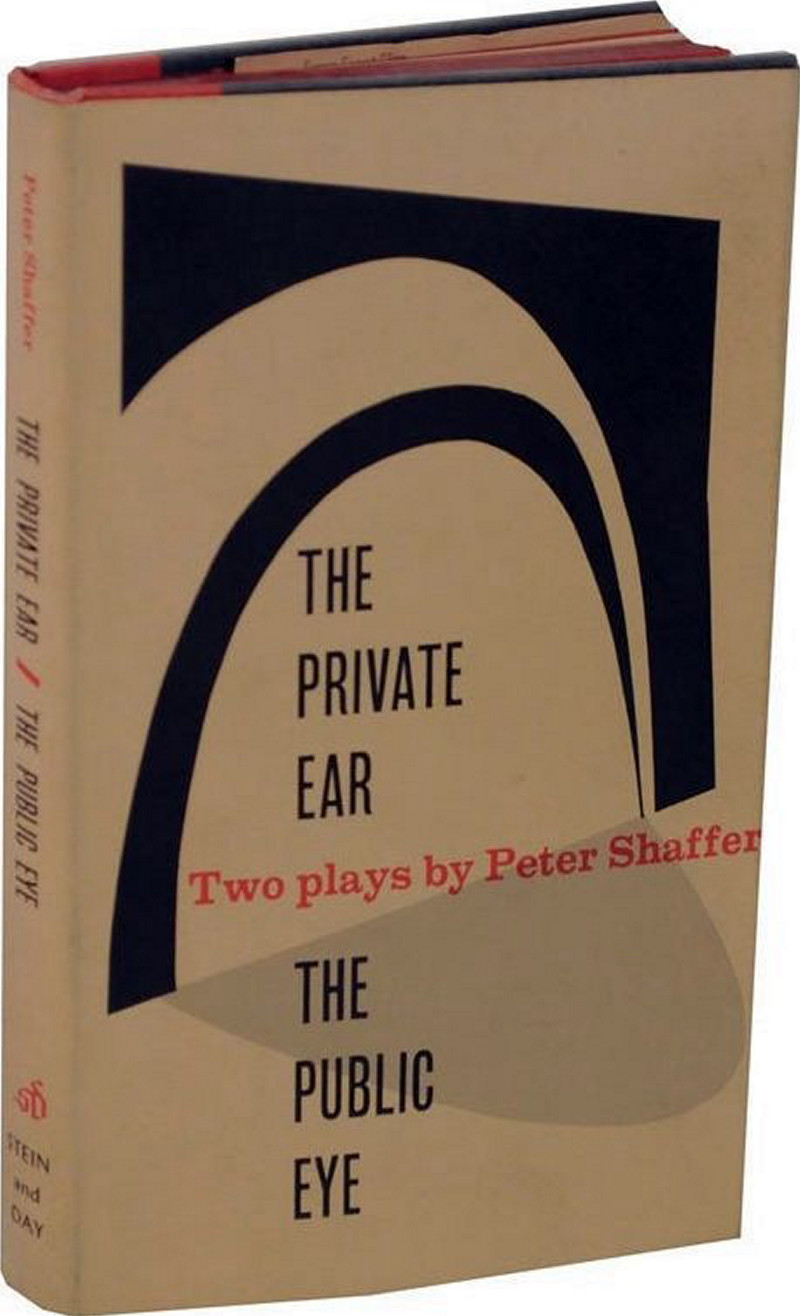
The Public Eye
Companion piece to The Private Ear, this short play examines the same characters from a different social perspective, focusing on appearances, misunderstandings and the pressures of social performance in romantic life.
About the Author

Peter Shaffer
Peter Shaffer covering his life, major plays such as Equus and Amadeus, collaborations, awards, and legacy.
View Profile- OccupationPlaywright
- FromEngland
-
Other Works
- Five Finger Exercise (1958)
- The Private Ear (1962)
- The Royal Hunt of the Sun (1964)
- Black Comedy (1965)
- Equus (1973)
- Equus (screenplay) (1977)
- Amadeus (play) (1979)
- Amadeus (screenplay) (1984)
- Lettice and Lovage (1987)