
Play: The Suppliants
Overview
Aeschylus’ The Suppliants centers on a chorus of refugee women, the fifty daughters of Danaus, who arrive in Argos seeking asylum from forced marriage to their cousins, the sons of Aegyptus. Composed around 460 BCE and likely opening a trilogy now largely lost, the play fuses religious ritual with political debate, treating the protection of suppliants as both sacred duty and civic risk. Unusually, the chorus remains the dramatic protagonist throughout, shaping the action through song, prayer, and negotiation rather than through a hero’s decisive deed.
Setting and Premise
The Danaids land at a sacred precinct near Argos, carrying olive boughs wrapped in wool, the traditional tokens of supplication. They call on Zeus under his epithets Protector of Suppliants and of Strangers, and ground their claim to Argive protection in their ancestral link to Io, an Argive heroine driven to Egypt. Their father, Danaus, acts as counselor and lookout, explaining the dire threat: their Egyptian cousins seek to compel their marriage, a union the daughters brand as impious and violent.
Encounter with Pelasgus
Pelasgus, ruler of Argos, arrives with attendants and confronts a dilemma. The women look and sound foreign, yet assert Argive lineage through Io. Granting them sanctuary could invite war with Egypt; refusing them risks sacrilege against Zeus. In a crucial political gesture, Pelasgus declines to rule by fiat and promises to consult the Argive people. Danaus instructs his daughters in proper demeanor, reminding them that their safety depends on piety, restraint, and adherence to ritual.
The Argive Decision and the Herald’s Threat
Pelasgus returns with the popular verdict: Argos will grant asylum and protection, even against force. This civic endorsement sacralizes the Danaids’ status and binds the city to them. The triumph is immediately tested by the arrival of an Egyptian herald, who attempts to seize the women and denounces their appeal as lawless. The chorus cling to the statues and cry to Zeus, dramatizing the material reality of supplication. Pelasgus intervenes, rebukes the herald’s blasphemous coercion, and asserts Argive authority, threatening punishment if any foreigner lays hands on the suppliants. The herald withdraws with veiled promises of reprisal; the risk of war becomes palpable, but Argos’ commitment stands.
Resolution within the Play
With danger deferred, Danaus praises Argos and instructs his daughters on gratitude, temperance, and vigilance. The Danaids process into the city under escort, continuing their prayers that Zeus uphold the justice of their cause. The play closes not with final safety but with a precarious settlement: asylum granted, conflict foreshadowed. The emotional arc moves from fear to guarded hope, sustained by ritual song and the community’s pledge.
Themes and Significance
The Suppliants explores the intersection of divine law and civic decision-making: Zeus’ protection of the vulnerable becomes a test of a city’s moral order. The play foregrounds asylum as a sacred institution, dramatizing its procedures and stakes. It probes identity and kinship, how foreignness, ancestry, and speech shape claims to belonging, and gives rare centrality to women’s voices resisting forced marriage. Pelasgus’ consultation of the demos highlights emergent ideas of collective governance, contrasting despotic command with deliberation bound by religious scruple. Stylistically, the lyric density of the chorus creates a ritual atmosphere, with action crystallizing in the herald scene rather than unfolding through duels or battles. As the first part of a likely trilogy culminating in the famous story of the Danaids’ coerced marriages and their violent aftermath, the play establishes the ethical frame: sanctuary, consent, and the costs a polis bears to uphold them.
Citation Formats
APA Style (7th ed.)
The suppliants. (2025, November 8). FixQuotes. https://fixquotes.com/works/the-suppliants/
Chicago Style
"The Suppliants." FixQuotes. November 8, 2025. https://fixquotes.com/works/the-suppliants/.
MLA Style (9th ed.)
"The Suppliants." FixQuotes, 8 Nov. 2025, https://fixquotes.com/works/the-suppliants/. Accessed 12 Feb. 2026.
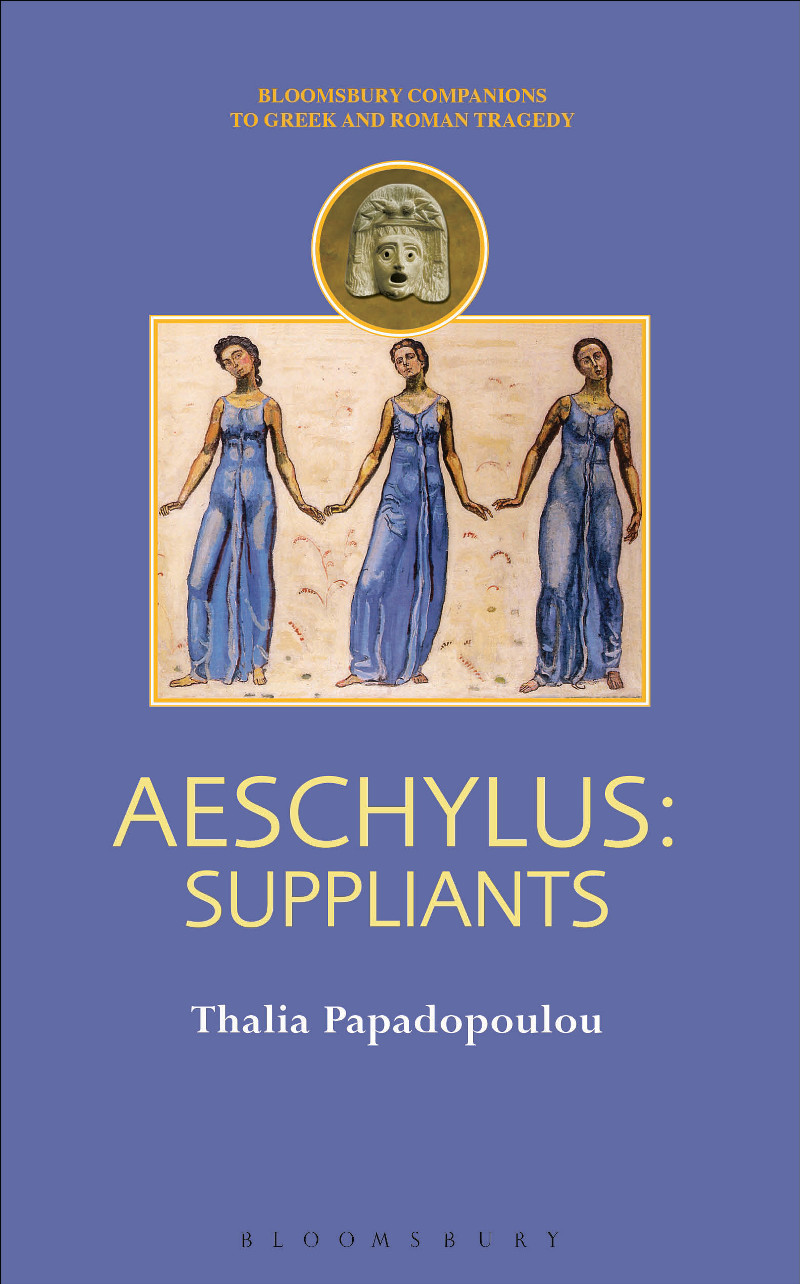
The Suppliants
Original: Ἱκέτιδες
The Suppliants tells the story of the fifty daughters of Danaus, who flee to Argos from Egypt to escape marriage to their cousins, the fifty sons of Aegyptus. King Pelasgus of Argos must decide whether to protect the women or send them away to face their fate.
About the Author

Aeschylus
Aeschylus, the influential Greek playwright known as the Father of Tragedy, whose works laid the foundation for Western drama.
View Profile- OccupationPlaywright
- FromGreece
-
Other Works
- The Persians (-472)
- Seven Against Thebes (-467)
- The Eumenides (-458)
- The Libation Bearers (-458)
- Agamemnon (-458)
- Prometheus Bound (-430)