
Book: The Twelfth Angel
Overview
Og Mandino’s The Twelfth Angel is a brief, inspirational novel about loss, renewal, and the quiet heroism found in everyday perseverance. It follows a once-triumphant executive whose life collapses after a tragic accident, and the unlikely mentoring he receives from a small boy on a struggling Little League team called the Angels. Through baseball’s rhythms and a child’s unshakable optimism, the book explores how hope can be relearned, how communities heal, and how a disciplined spirit can coax meaning from grief.
Plot
At the height of his career, a hard-driving executive returns from a business triumph to find his wife and young son killed in a car crash. The shock plunges him into isolation and despair. He leaves the fast lane and retreats to his hometown, where memories of his son are everywhere and nothing seems to matter. A family friend urges him to honor his boy’s memory by taking on something the child would have loved: coaching the Angels, the local Little League team that everyone expects to finish last.
Reluctant at first, he agrees and inherits a roster of misfits, timid hitters, and erratic fielders. Practice after practice, small defeats pile up, but so do modest gains. The team’s emotional center becomes its twelfth player, Timmy, a frail, undersized boy who rarely gets a hit but beams at every chance to play. Timmy greets each day and every drill with the same mantra: “Every day, in every way, I will do my best.” His cheerfulness is not naïveté; it is a decision. The coach, still hollowed by loss, begins to borrow Timmy’s discipline of hope.
The Angels start to improve. One-run losses turn into scrappy wins. Players learn to lay down bunts, to back up throws, to believe they belong on the field. Just when the season’s momentum becomes a balm for the coach’s pain, Timmy collapses and is hospitalized. The diagnosis is grave. From his bed he sends encouraging notes to the team, signing off with the reminder to never quit and to give their best that day. The Angels carry Timmy’s spirit into the final stretch, where they reach a championship game no one predicted. Playing for their absent teammate, they grind through errors and nerves to pull off a last-inning victory that feels less like triumph over an opponent than triumph over their own fears.
Characters
The coach is a man rebuilt by service. Wealth and status had once defined him; the Little League diamond teaches him to measure life by effort, gratitude, and presence. Timmy, the “twelfth angel, ” is courage distilled, small in stature, vast in heart. The other boys, a comic and touching mix of temperaments, become a chorus of incremental growth, showing how community forms around shared striving.
Themes and Messages
The novel’s ethic is simple and stringent: do your best today, and never quit. Mandino frames optimism as a disciplined practice rather than a mood, a craft learned through repetition, team loyalty, and humble goals. Grief is not minimized; it is met with daily commitments that create room for joy to re-enter. The story also celebrates mentorship, the redirection of ambition toward nurturing others, and the way children can teach adults to live again.
Ending and Significance
Timmy’s battle concludes with his spirit outlasting his body, but the lessons he lived remain active on the field and in the coach’s heart. The championship marks less an end than a beginning: the coach chooses life, service, and a new measure of success grounded in character and love. The “twelfth angel” becomes both a memory and a mandate, reminding readers that even in seasons of sorrow, effort, kindness, and courage can lead a team, and a soul, back to light.
Citation Formats
APA Style (7th ed.)
The twelfth angel. (2025, August 25). FixQuotes. https://fixquotes.com/works/the-twelfth-angel/
Chicago Style
"The Twelfth Angel." FixQuotes. August 25, 2025. https://fixquotes.com/works/the-twelfth-angel/.
MLA Style (9th ed.)
"The Twelfth Angel." FixQuotes, 25 Aug. 2025, https://fixquotes.com/works/the-twelfth-angel/. Accessed 6 Mar. 2026.
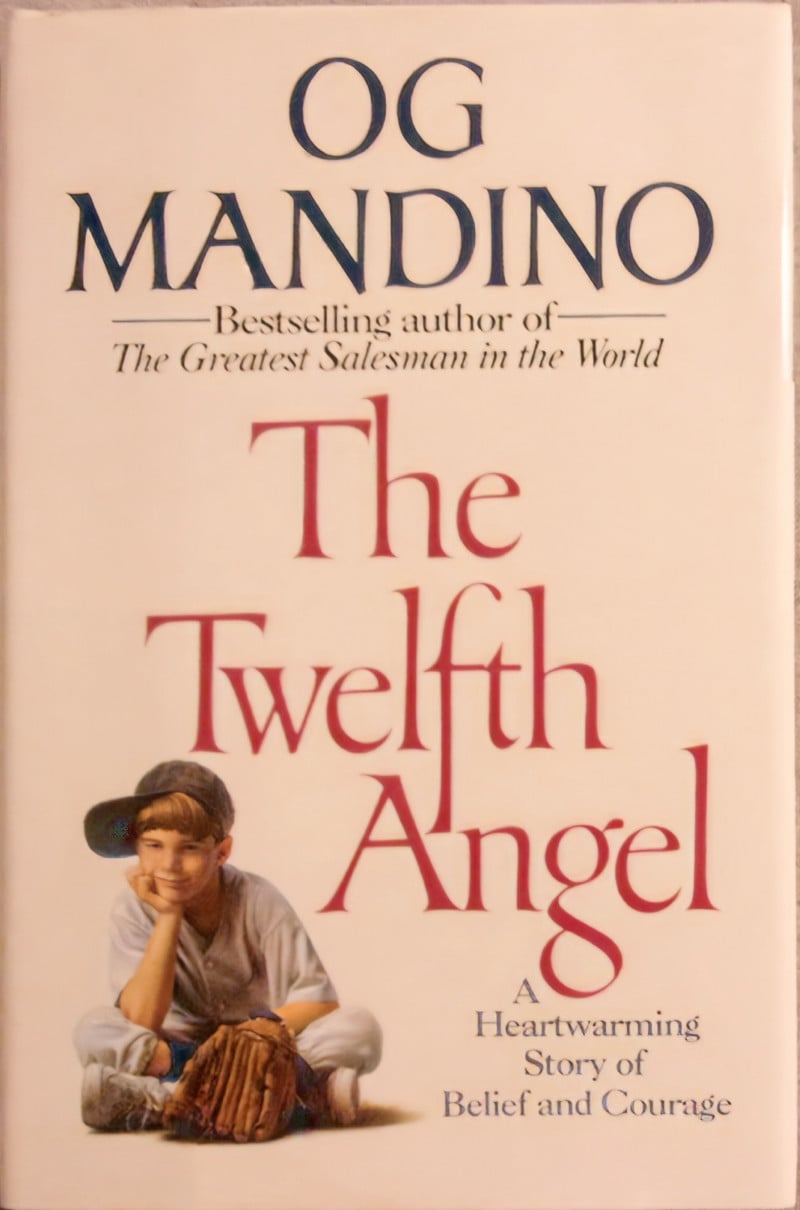
The Twelfth Angel
A novel that tells the heartwarming story of a young boy named Timmy who, despite facing great challenges and loss, displays courage and an unwavering faith in life.
- Published1993
- TypeBook
- GenreInspirational, Fiction
- LanguageEnglish
- CharactersTimmy
About the Author

Og Mandino
Og Mandino, a celebrated author and motivational speaker, whose books inspire personal success and resilience.
View Profile- OccupationAuthor
- FromUSA
-
Other Works
- The Greatest Salesman in the World (1968)
- The Greatest Miracle in the World (1975)
- The Choice (1986)
- A Better Way to Live (1990)