
Play: The Venetian Twins
Overview
Carlo Goldoni's 1747 comedy The Venetian Twins turns a simple theatrical trick into a lively exploration of identity, manners and social confusion. Two identical brothers, Zanetto and Tonino, arrive in Verona at the same time and set off a chain of misrecognitions that embroils citizens, lovers and authority figures. The play balances fast-paced farce with sharper observations about character and social expectation.
Goldoni wrote the piece as part of his broader effort to modernize Italian comedy, shaping stock types into more believable personalities while keeping the energy and immediacy of traditional buffoonery. The result is a tightly plotted comedy that showcases wit, timing and the theatrical pleasures of doubled action.
Plot
The central engine of the plot is the arrival of the twins, who share the same face but differ in temperament. Their sudden, simultaneous presence leaves friends and rivals unable to tell them apart, which yields a stream of errors: romantic promises are misattributed, angry challenges are directed at the wrong man, and reputations are jeopardized by statements meant for the other brother. The confusion grows as each twin is seen in a different role, from devoted suitor to swaggering braggart, and bystanders interpret every gesture through the wrong identity.
As misunderstandings accumulate, social order teeters: lovers doubt each other, guardians are baffled, and a trial of sorts, verbal and situational, unfolds in public spaces and private rooms. The comic tension resolves when a decisive recognition scene unmasks the twins' true identities, allowing grievances to be set right and romantic entanglements to be rearranged. The finale restores clarity, rewards the deserving and sends the audience away with the relief of reconciled chaos.
Characters and comic dynamics
The play hinges on the contrast between Zanetto and Tonino. One twin embodies Venetian polish and boldness, the other a more reserved or naïve temperament; their differing speech and behavior heighten the confusion whenever they are swapped. Supporting figures, lovers, guardians, officious officials and servants, function both as catalysts and mirrors, amplifying the misunderstandings through jealousy, misplaced trust and social posturing.
Goldoni turns familiar commedia types into characters whose foibles feel specific rather than purely archetypal. Rather than relying on masks and improvisation, the interplay depends on precise lines and stage business: doors opening and closing, timely entrances, misheard declarations and the audience's superior knowledge. That dynamic makes the twins' plight as much a comic puzzle for the spectators as a crisis for the characters.
Themes and style
At its heart the play examines how appearance shapes judgment. Mistaken identity exposes how readily social roles and reputations can be constructed from surface traits and rumor. Goldoni uses the twin device to probe questions of sincerity, the fragility of honor and the absurdities of social etiquette, often undercutting pretension with humor.
Stylistically, the comedy marks Goldoni's shift toward natural dialogue, situational coherence and character-driven action. The language is lively and direct, crafted to produce rapid shifts in perception and to exploit the theatrical possibilities of doubling. The result is a refined farce in which everyday psychology and stagecraft combine to produce laughter that feels both spontaneous and meticulously engineered.
Legacy
The Venetian Twins remains one of Goldoni's best-known comedies and a staple of productions that enjoy the visual and verbal fun of twin-based confusion. Its influence reaches beyond Italy; adaptations and translations have introduced international audiences to Goldoni's blend of social insight and comic invention. The play also serves as a clear example of the eighteenth-century move away from improvised commedia toward scripted, character-focused theatre that still prizes comic momentum.
Citation Formats
APA Style (7th ed.)
The venetian twins. (2026, February 4). FixQuotes. https://fixquotes.com/works/the-venetian-twins/
Chicago Style
"The Venetian Twins." FixQuotes. February 4, 2026. https://fixquotes.com/works/the-venetian-twins/.
MLA Style (9th ed.)
"The Venetian Twins." FixQuotes, 4 Feb. 2026, https://fixquotes.com/works/the-venetian-twins/. Accessed 12 Feb. 2026.
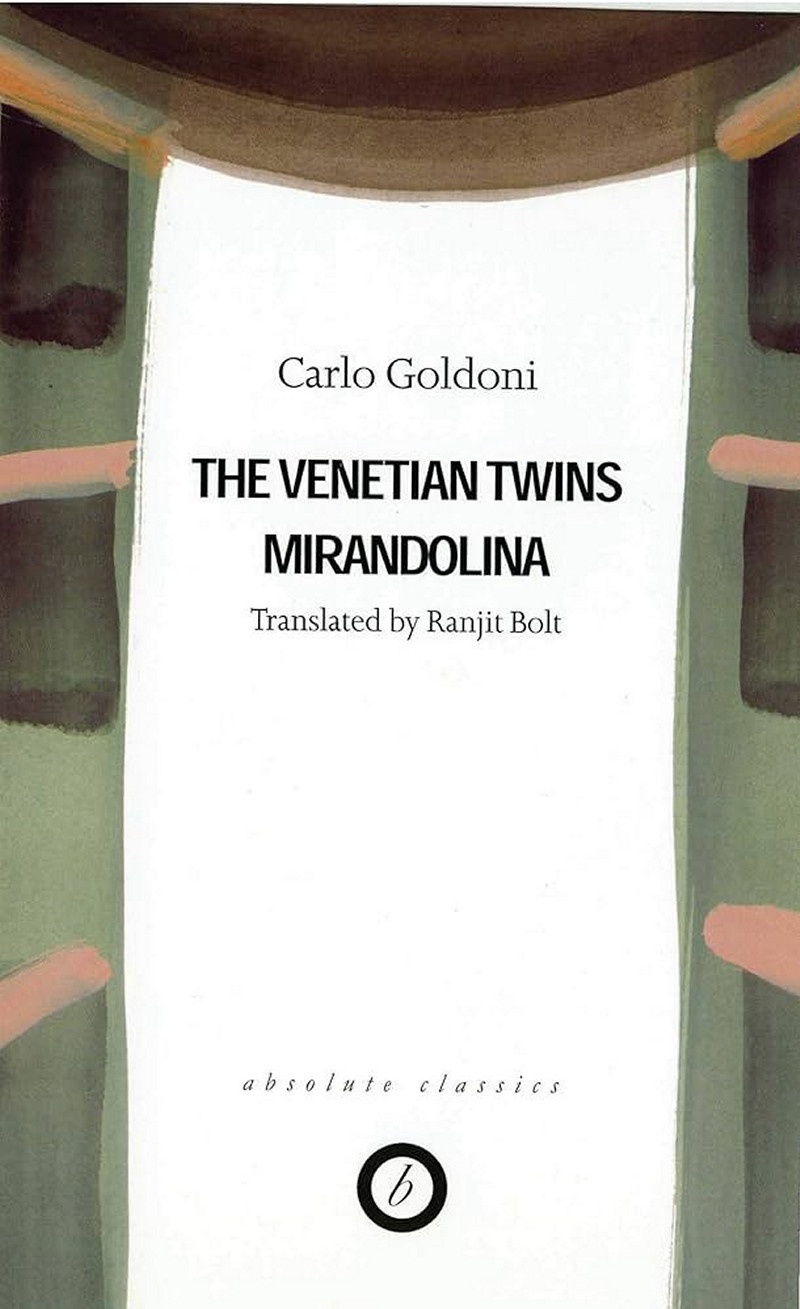
The Venetian Twins
Original: I due gemelli veneziani
The Venetian Twins is a comedy play that revolves around a case of mistaken identity involving two twin brothers Zanetto and Tonino, who unexpectedly arrive in Verona on the same day, causing a series of mishaps and confusions.
- Published1747
- TypePlay
- GenreComedy
- LanguageItalian
- CharactersZanetto, Tonino, Arlecchino, Florindo, Lelio, Colombina, Beatrice, Rosaura
About the Author

Carlo Goldoni
Carlo Goldoni, a transformative 18th-century Italian dramatist known for bridging Commedia dellarte and modern realism.
View Profile- OccupationPlaywright
- FromItaly
-
Other Works
- The Servant of Two Masters (1746)
- The Good-Humoured Ladies (1748)
- Mirandolina (1753)
- The Fan (1765)