
Trump: Surviving at the Top
Overview
Published in 1990 as a follow-up to The Art of the Deal, Trump: Surviving at the Top chronicles Donald Trump’s late‑1980s expansion and the turbulence that followed. Framed as a first‑person account of bold bets and mounting pressures, it captures the hinge moment when easy credit and relentless growth gave way to market shocks, public scrutiny, and a fight to maintain control. The book situates Trump simultaneously as impresario and embattled operator, narrating how he navigated debt, headlines, rivals, and personal upheaval.
Business Landscape
The narrative centers on Atlantic City and New York. Trump details the conception, financing, and opening of the Taj Mahal, marketed as the “eighth wonder of the world”, alongside his existing Trump Plaza and Trump Castle casinos. He revisits Manhattan trophies like Trump Tower and the Plaza Hotel, emphasizing design fetishism, brand polish, and star-studded launches. He adds aviation to the portfolio with the Trump Shuttle, the rebranded Eastern Air Shuttle he purchased to extend his name into a new sector. Across these ventures the throughline is leverage: heavy borrowing justified by scale, spectacle, and confidence that the brand could outpace the carrying costs.
Key Episodes
A string of late‑decade events sets the book’s survival motif. The 1987 stock market crash tightens credit and rattles valuations. In 1989 a helicopter crash kills three top casino executives, a personal and operational blow that he presents as a test of leadership. He recounts battles with Merv Griffin over Resorts International that end with Trump taking the Taj Mahal while shouldering steep debt. The book touches on the media feeding frenzy around his marriage to Ivana Trump and relationship with Marla Maples, linking tabloid heat to business effects: distraction, reputational risk, and leverage in negotiations. He also revisits earlier skirmishes, the USFL fight with the NFL, city‑hall frictions, and the Wollman Rink turnaround, as proof points that public conflict can be converted into brand equity.
Approach to Risk and Negotiation
Trump foregrounds speed, showmanship, and brinkmanship. He prizes momentum and the psychology of scale, arguing that big bets command attention from lenders, partners, and the press. He describes flooding properties with marble, brass, and chandeliers to exceed customer expectations and dominate coverage. Negotiations are cast as theater and endurance: he emphasizes walking away, exploiting deadlines, threatening litigation, and using publicity to shape an opponent’s risk calculus. When the cycle turns, he portrays talks with bankers as a different kind of deal, positioning himself as too valuable to fail and trading short‑term concessions for time.
Publicity, Image, and Control
A recurring theme is control of narrative. Trump treats press exposure as a strategic asset that can sell rooms, tables, and seats while smoothing over operational setbacks. He is candid about courting controversy if it keeps his name at the center of conversation. Personal glamour, yachts, planes, the Plaza, doubles as corporate advertising. Even setbacks are repackaged as proof of resilience, with survival at the top defined as the ability to absorb hits without surrendering the spotlight or the negotiating high ground.
Tone and Takeaways
The voice mixes triumphalism with selective candor. Trump admits to overreach, particularly the costs of the Taj Mahal, the burden of Plaza Hotel debt, and headwinds at the Trump Shuttle, while insisting that audacity and relentless work offset structural risk. The book reads as both case study and sales pitch for the Trump persona: an operator who thrives under pressure, believes problems are solved by bigger vision and tougher deals, and sees brand magnitude as a financial instrument. As a snapshot of the late‑1980s boom‑and‑bust moment, it offers an insider’s view of leveraged glamour and the tactics used to keep it afloat when the tide recedes.
Citation Formats
APA Style (7th ed.)
Trump: Surviving at the top. (2026, February 4). FixQuotes. https://fixquotes.com/works/trump-surviving-at-the-top/
Chicago Style
"Trump: Surviving at the Top." FixQuotes. February 4, 2026. https://fixquotes.com/works/trump-surviving-at-the-top/.
MLA Style (9th ed.)
"Trump: Surviving at the Top." FixQuotes, 4 Feb. 2026, https://fixquotes.com/works/trump-surviving-at-the-top/. Accessed 12 Feb. 2026.
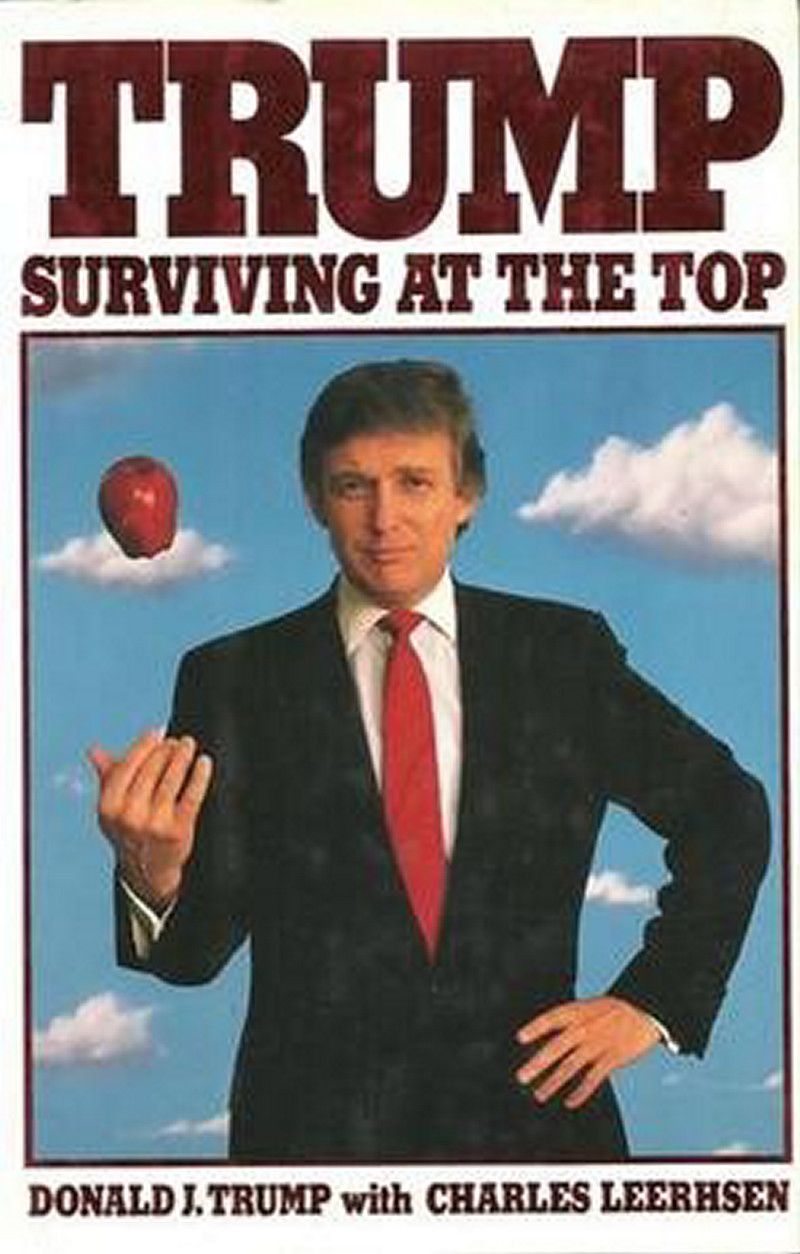
Trump: Surviving at the Top
Donald Trump shares his experiences in business, discusses his accomplishments and difficulties, and offers advice on achieving success.
- Published1990
- TypeBook
- GenreMemoir, Business, Non-Fiction
- LanguageEnglish
About the Author

Donald Trump
Donald Trump, from real estate mogul to President, through an in-depth biography and memorable quotes.
View Profile- OccupationBusinessman
- FromUSA
- Other Works