
Play: Uncommon Women and Others
Overview
Uncommon Women and Others follows a group of alumnae from an all-women's college as they reunite and revisit the hopes and anxieties that shaped them. The play alternates between a present-day reunion and flashbacks to their undergraduate years, allowing memories to surface and collide with the realities of adult life. The title points to the tension between being "uncommon", pursuing ambitions outside traditional expectations, and being one of "others, " whose lives often resemble more conventional paths.
Structure and Character Focus
Wendy Wasserstein wrote the piece as an ensemble drama, with no single protagonist dominating the narrative; instead the play gives equal weight to multiple voices that represent different responses to the changing roles available to women in the 1970s. Scenes move fluidly between the boisterous intimacy of dorm-room conversations and the sharper, often more awkward exchanges of the reunion setting. This shifting perspective allows private confidences, jokes, and rivalries from youth to be reinterpreted through the lens of later choices and compromises.
Themes and Tone
The play mines both comedy and melancholy to explore themes of friendship, ambition, sexual politics, class, and the cost of compromise. It captures the particular mix of confidence and uncertainty facing young women who came of age during the rise of second-wave feminism: they are skeptical of easy prescriptions but also uncertain about how to translate idealism into adult life. Wasserstein's tone is wry and perceptive; humor often undercuts sentiment, and moments of casual bravado reveal deeper regrets and unsaid sacrifices.
Notable Scenes and Dynamics
Recurring flashbacks show the group debating careers, romance, and the social expectations of their families and peers, while the reunion scenes force a reckoning with the paths each woman ultimately took. The play foregrounds intimate moments, a drunken confession, a brutally candid argument, a wistful recollection, that illuminate how early hopes were reshaped by work, relationships, and social pressure. Rather than resolving its tensions neatly, the drama ends on an ambiguous, quietly affecting note that underscores persistence of memory and the continued negotiation of identity.
Legacy
Uncommon Women and Others established Wendy Wasserstein's voice as a playwright attuned to the particularities of women's lives with both sharp satire and genuine empathy. It captured a cultural moment while giving enduring attention to the complexities of female friendship and ambition. The play's blend of wit and poignancy helped launch Wasserstein's career and set the stage for later works that continued to interrogate how societal expectations shape individual destiny.
Citation Formats
APA Style (7th ed.)
Uncommon women and others. (2026, February 5). FixQuotes. https://fixquotes.com/works/uncommon-women-and-others/
Chicago Style
"Uncommon Women and Others." FixQuotes. February 5, 2026. https://fixquotes.com/works/uncommon-women-and-others/.
MLA Style (9th ed.)
"Uncommon Women and Others." FixQuotes, 5 Feb. 2026, https://fixquotes.com/works/uncommon-women-and-others/. Accessed 25 Mar. 2026.
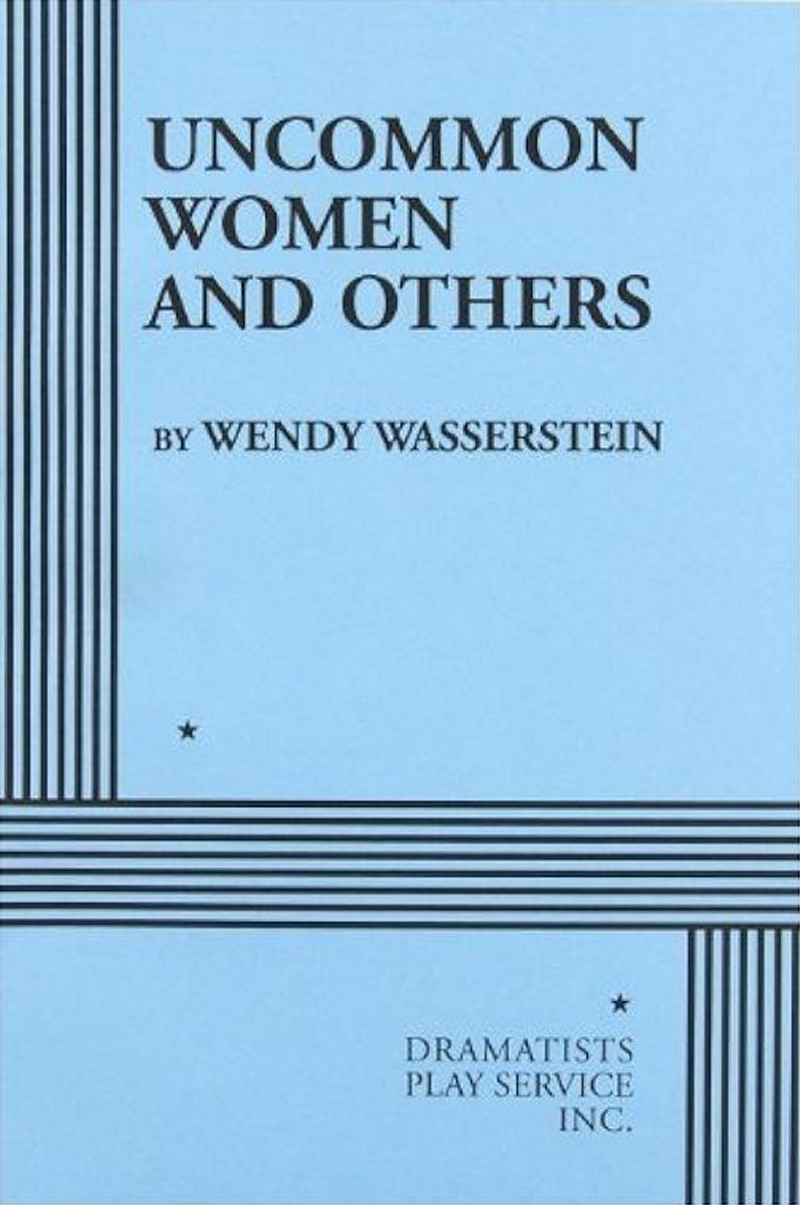
Uncommon Women and Others
A play about a group of women at an all-women's college and their diverse experiences during and after college, reflecting on friendships, failures, and dreams.
- Published1977
- TypePlay
- GenreDrama
- LanguageEnglish
- CharactersHolly, Leilah, Carter, Samantha, Kate
About the Author
Wendy Wasserstein
Wendy Wasserstein, acclaimed American playwright and humorist, known for her insightful portrayals of women's lives.
View Profile- OccupationPlaywright
- FromUSA
-
Other Works
- Isn't It Romantic (1981)
- The Heidi Chronicles (1988)
- The Sisters Rosensweig (1992)
- An American Daughter (1997)
- Old Money (2000)
- Third (2005)