
Novel: Virgin Soil
Overview
"Virgin Soil" (Новь), published in 1877, follows the clashes between a rising generation of Russian radicals and the realities of rural life they aim to transform. The novel centers on young intellectuals who embrace populist ideas and set out from the cities to win over the peasantry and reshape society. Their zeal meets unintended consequences, revealing the distance between abstract political theory and the stubborn particularities of human communities.
Turgenev frames the narrative as a study of enthusiasm and disillusionment. Rather than staging a grand revolutionary triumph, the story dwells on conversations, encounters, and moral dilemmas that expose the limits of idealism when applied without heed to local customs, personal attachments, and the inertia of social structures.
Main characters and conflicts
At the heart of the action are several earnest young men and women who are captivated by the idea that Russia's future depends on awakening the peasantry and creating a new social order. They travel, lecture, organize, and attempt to graft modern political doctrines onto a rural world shaped by centuries of habit and mistrust. Alongside them are older landowners, skeptical neighbors, and villagers whose survival priorities often trump ideology.
The principal conflicts are not purely ideological but deeply personal: devoted friendships fray under pressure, romantic attachments complicate choices, and moral compromises accumulate. Turgenev pays close attention to inner life, showing how high-minded intentions can be eroded by jealousy, fear, and the sheer difficulty of sustaining radical change without rooted local consent.
Themes and moral perspective
A persistent theme is the tension between theory and practice. The novel probes whether abstract notions of justice and progress can be translated into effective action among people with different priorities and histories. Turgenev interrogates the romanticized image of the peasant and the sometimes naïve moral certainty of the reformers, suggesting that good intentions are necessary but not sufficient for lasting transformation.
Another major theme is generational change and its costs. The younger characters embody a restless impatience that challenges older values but also risks creating new forms of coercion. Turgenev treats his subjects with intellectual sympathy tempered by ironic distance: admiration for their courage sits beside a clear-eyed view of their failings and the tragedies those failings bring.
Style and structure
Turgenev's prose blends realist observation with psychological subtlety. Episodes alternate between spirited political debates, quiet domestic scenes, and vivid countryside description, creating a rhythm that underscores the novel's central dilemma. Dialogues carry much of the argumentative weight, while interior passages reveal private doubts and reluctant compromises.
Rather than a tightly plotted thriller, the narrative unfolds in a series of well-drawn set pieces that accumulate into a portrait of a moment in Russian life. The episodic structure allows Turgenev to examine different facets of the populist movement and its social context without reducing characters to mere mouthpieces for doctrine.
Significance and legacy
"Virgin Soil" is an essential document of the 1870s, capturing the hopes and missteps of the Narodnik temper and the broader ferment of Russian intellectual life. Turgenev's measured critique influenced later debates about reform, revolution, and the responsibilities of educated elites. The novel's lucid empathy and moral complexity preserve its relevance: it remains a rich exploration of how noble projects can founder on human complexity and the stubborn reality of everyday life.
By refusing easy answers, the book invites readers to weigh the costs of radical change against the stubborn endurance of tradition, and to consider how social transformation might be pursued with both courage and humility.
Citation Formats
APA Style (7th ed.)
Virgin soil. (2025, November 8). FixQuotes. https://fixquotes.com/works/virgin-soil/
Chicago Style
"Virgin Soil." FixQuotes. November 8, 2025. https://fixquotes.com/works/virgin-soil/.
MLA Style (9th ed.)
"Virgin Soil." FixQuotes, 8 Nov. 2025, https://fixquotes.com/works/virgin-soil/. Accessed 7 Mar. 2026.
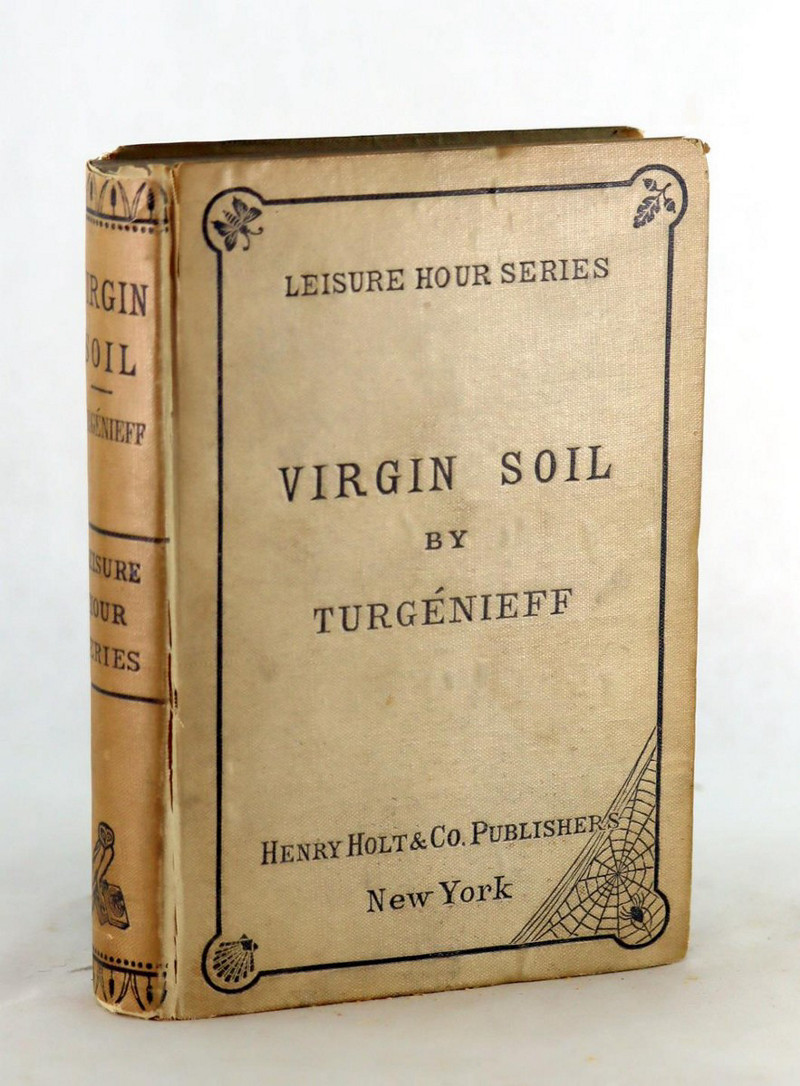
Virgin Soil
Original: Новь
A novel addressing the rise of populist movements and radical youth in Russia; focuses on idealistic characters drawn to social change and the tensions between theory and practice.
- Published1877
- TypeNovel
- GenreRealist novel, Political novel
- Languageru
About the Author

Ivan Turgenev
Ivan Turgenev covering his life, major works, friendships, exile, and selected quotations illustrating his literary legacy.
View Profile- OccupationNovelist
- FromRussia
-
Other Works
- The Diary of a Superfluous Man (1850)
- Bezhin Meadow (1852)
- Sketches from a Hunter's Album (A Sportsman's Sketches) (1852)
- Mumu (1854)
- A Month in the Country (1855)
- Rudin (1856)
- Asya (1858)
- A Nest of Gentlefolk (Home of the Gentry) (1859)
- On the Eve (1860)
- First Love (1860)
- Fathers and Sons (1862)
- Smoke (1867)