
David Letterman Biography Quotes 34 Report mistakes
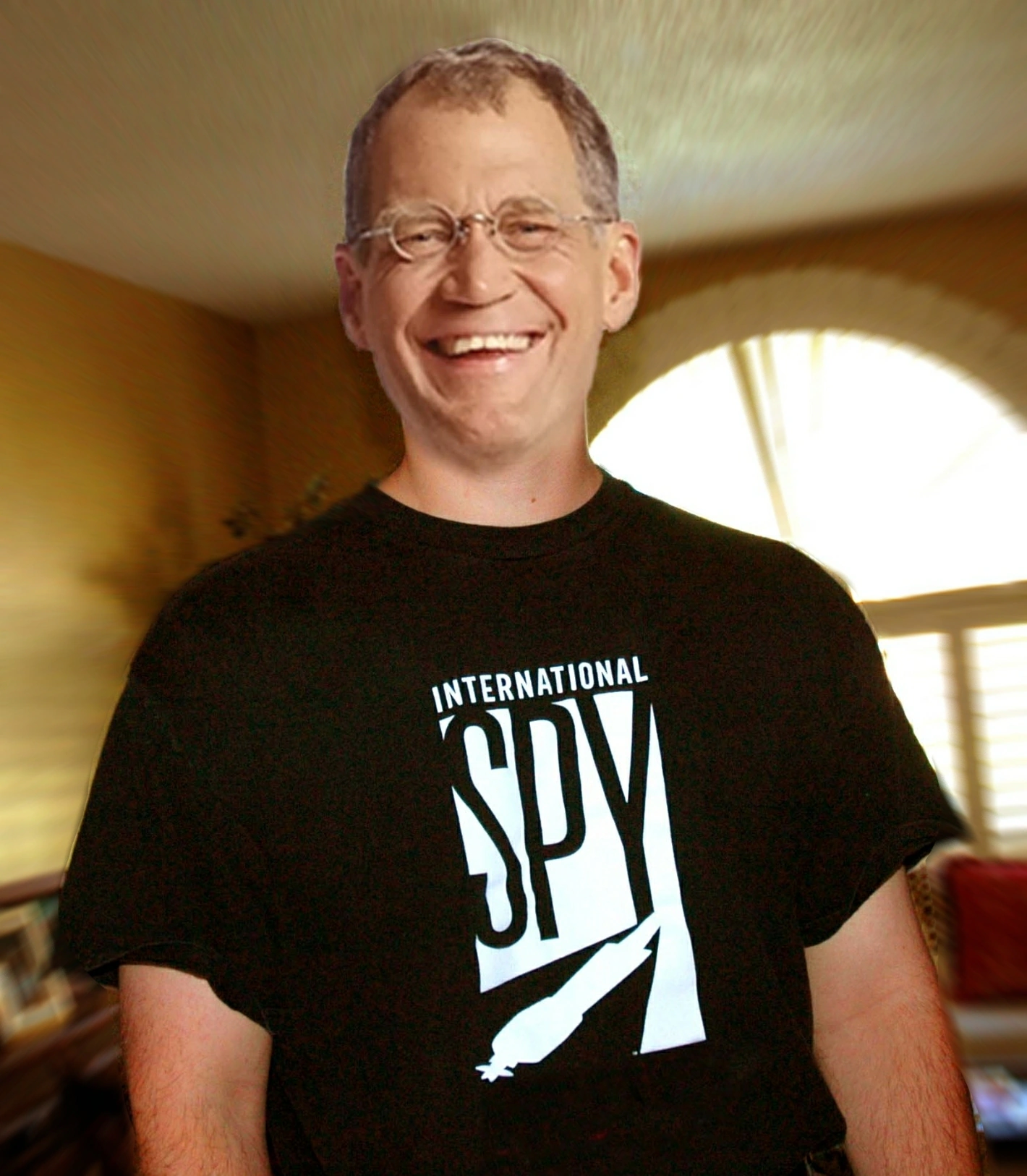
| 34 Quotes | |
| Born as | David Michael Letterman |
| Occup. | Comedian |
| From | USA |
| Born | April 12, 1947 Indianapolis, Indiana, U.S. |
| Age | 78 years |
| Cite | |
Citation Formats
APA Style (7th ed.)
David letterman biography, facts and quotes. (2026, February 11). FixQuotes. https://fixquotes.com/authors/david-letterman/
Chicago Style
"David Letterman biography, facts and quotes." FixQuotes. February 11, 2026. https://fixquotes.com/authors/david-letterman/.
MLA Style (9th ed.)
"David Letterman biography, facts and quotes." FixQuotes, 11 Feb. 2026, https://fixquotes.com/authors/david-letterman/. Accessed 1 Apr. 2026.
Early Life and Background
David Michael Letterman was born on April 12, 1947, in Indianapolis, Indiana, the second of three sons in a Midwestern household shaped by both steady work and quick wit. His father, Harry Joseph Letterman, was a florist who prized reliability and routine; his mother, Dorothy Marie Mengering, was known for an observational humor that turned the ordinary into family theater. The city around them - conservative, sports-minded, and politely wary of showiness - became Letterman's first foil, a place where understatement and sarcasm read as survival skills.
As a boy he split attention between the practical world expected of him and the thrill of performing. He was a drummer in school bands and grew up absorbing the rhythms of radio and late-night television, learning how timing could make a room tilt. Even early on, he carried an inner contradiction that would later define his persona: a desire to be liked paired with an instinct to puncture any moment that tried too hard to earn applause.
Education and Formative Influences
Letterman attended Broad Ripple High School and then Ball State University in Muncie, Indiana, graduating in 1969. He studied telecommunications, worked in campus media, and found that the craft behind broadcasting - cues, dead air, the machinery of a live show - was as fascinating as the jokes. His comedic sensibility drew on the era's anti-authoritarian currents and the influence of comic talkers like Johnny Carson, but it also reflected the plainspoken Midwest: skepticism toward pretension, fascination with local oddballs, and a workmanlike respect for the audience's intelligence.
Career, Major Works, and Turning Points
After stints in Indianapolis radio and television, Letterman moved into national comedy via stand-up and writing, then became a regular on NBC's "The Tonight Show Starring Johnny Carson" in the 1970s. NBC built him "Late Night with David Letterman" in 1982, where he refined a new language for television comedy - self-mocking, anti-slick, and deliberately mechanical - using bits like "Stupid Pet Tricks" and "Top Ten Lists" to satirize the medium itself. Passed over for "The Tonight Show" in 1992, he switched to CBS and launched "The Late Show with David Letterman" in 1993, turning professional disappointment into a longer reign. His career weathered public milestones that deepened the show: his 2000 heart surgery, the post-9/11 broadcasts that searched for civic tone without surrendering irony, and the 2009 on-air disclosure of a personal scandal tied to workplace relationships and an attempted extortion. In 2015 he ended his run after more than three decades as a defining late-night figure, later returning in a different key with Netflix's interview series "My Next Guest Needs No Introduction".
Philosophy, Style, and Themes
Letterman's comedy treated show business as both a job and a con, and he made the audience complicit in noticing the strings. He foregrounded the desk, the band, the camera moves, the awkward pauses - insisting that the "magic" of television was a set of human decisions made under pressure. When he joked, “There's no business like show business, but there are several businesses like accounting”. , he was puncturing celebrity glamour while confessing his own comfort with craft, repetition, and the daily grind. That tension - longing for authenticity while performing a role - powered his signature mood: amused detachment masking genuine sensitivity.
His inner life often surfaced through aggression turned inward: he teased guests, sabotaged sentiment, and then revealed, almost accidentally, a stubborn decency. The joke about New Yorkers "sharing a cab" until one takes the tires and radio and the other takes the engine is more than a punch line about urban life; it is his worldview in miniature, a belief that civility and predation coexist and that comedy is how you admit it without despair. Even his advice-like line, “Next in importance to having a good aim is to recognize when to pull the trigger”. , reads as personal autobiography: he waited, watched, and then acted decisively - leaving NBC, confronting scandal on air, and finally quitting at the height of his authority rather than becoming a museum piece.
Legacy and Influence
Letterman helped modernize American comedy by making late-night television self-aware and by treating irony not as a pose but as a method for telling the truth sideways. He influenced generations of hosts and comics - from the alternative-comedy wave to mainstream successors - by proving that a talk show could be built on skeptical intelligence, surprise structure, and visible vulnerability. His enduring imprint is not a single catchphrase but a template: the host as editor of a chaotic culture, hiding earnestness behind jokes until the moment demands he show it.
Our collection contains 34 quotes written by David, under the main topics: Witty One-Liners - Puns & Wordplay - Sarcastic - War - Decision-Making.
Other people related to David: Bill Hicks (Comedian), Dave Attell (Comedian), Jack Paar (Entertainer), Arsenio Hall (Comedian), Jimmie Walker (Actor), Jerry Lawler (Entertainer), Chris Elliott (Comedian), Buddy Rice (Celebrity), Todd Barry (Comedian), Robert Klein (Comedian)
Source / external links