
Ellen DeGeneres Biography Quotes 14 Report mistakes
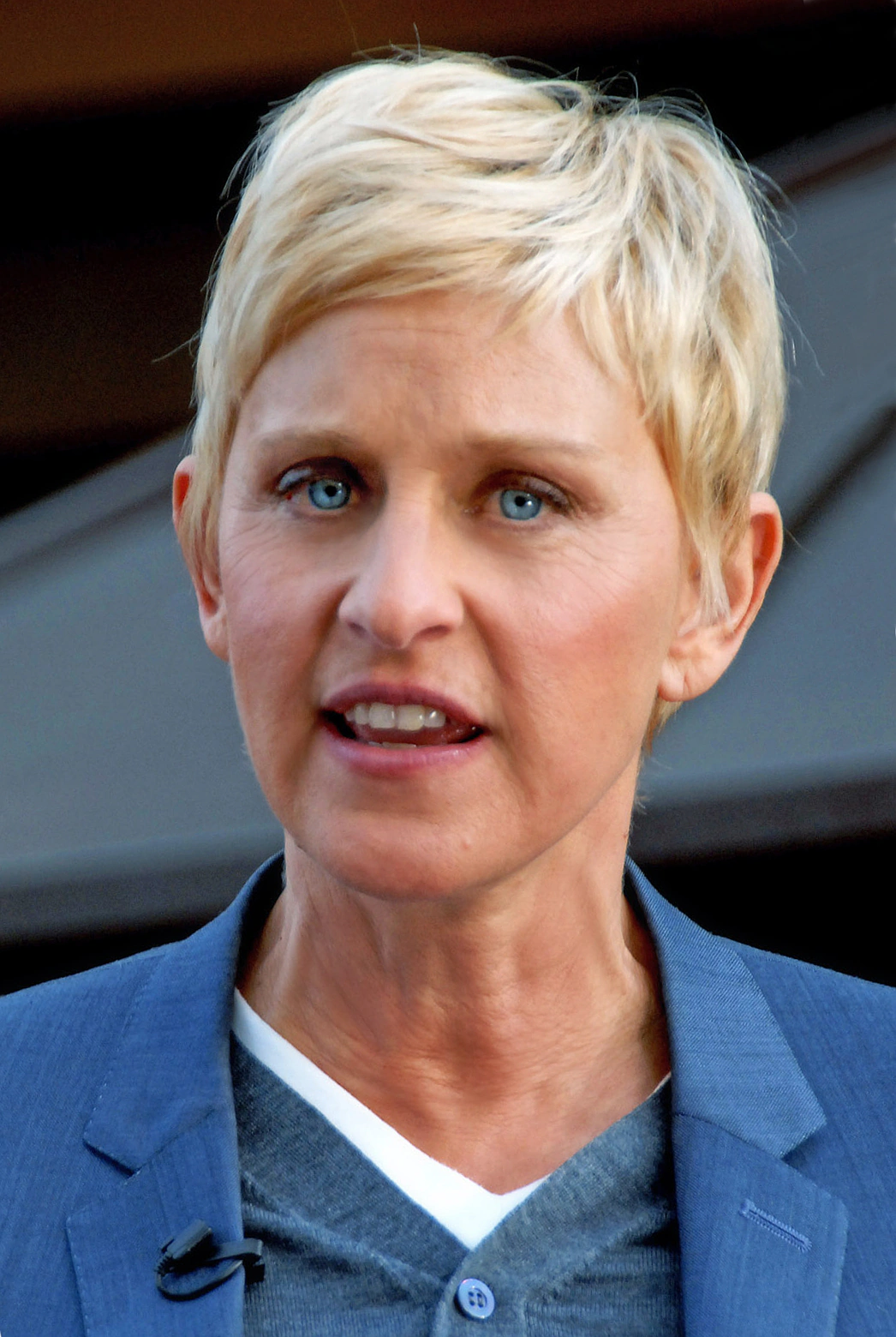
Attr: Toglenn, CC BY-SA 4.0
| 14 Quotes | |
| Born as | Ellen Lee DeGeneres |
| Occup. | Comedian |
| From | USA |
| Born | January 26, 1958 Metairie, Louisiana |
| Age | 68 years |
| Cite | |
Citation Formats
APA Style (7th ed.)
Ellen degeneres biography, facts and quotes. (2026, February 16). FixQuotes. https://fixquotes.com/authors/ellen-degeneres/
Chicago Style
"Ellen DeGeneres biography, facts and quotes." FixQuotes. February 16, 2026. https://fixquotes.com/authors/ellen-degeneres/.
MLA Style (9th ed.)
"Ellen DeGeneres biography, facts and quotes." FixQuotes, 16 Feb. 2026, https://fixquotes.com/authors/ellen-degeneres/. Accessed 31 Mar. 2026.
Early Life and Background
Ellen Lee DeGeneres was born on January 26, 1958, in Metairie, Louisiana, a suburban edge of New Orleans shaped by Catholic parishes, postwar consumer comfort, and the soft surveillance of neighbors. Her father, Elliott DeGeneres, worked in the insurance industry; her mother, Betty DeGeneres, built the household around warmth and later became a public advocate for LGBT acceptance. Ellen and her older brother, Vance, grew up amid the humid, story-rich culture of south Louisiana - a place where talk is performance and humor is often a form of social currency.Family upheaval marked her inner life early. After her parents divorced, she moved with her mother to Atlanta, Texas, a small town where difference feels louder and privacy is harder to keep. The shift from metropolitan New Orleans to rural East Texas sharpened her observational instincts: reading rooms, scanning for approval, and learning how to redirect discomfort into a laugh. Those habits would later become both her craft and her burden - comedy as connection, and connection as a kind of dependence.
Education and Formative Influences
After high school she attended the University of New Orleans, briefly studying communication before leaving to work a string of jobs - from clerical work to retail and waitressing - while edging toward stand-up in the late 1970s and early 1980s. The era mattered: comedy clubs were expanding, but they rewarded toughness, speed, and a persona that could survive hecklers and gatekeepers; DeGeneres learned to write clean, precise material that relied on rhythm and point of view more than shock, and she built confidence by mastering the mechanics of likability.Career, Major Works, and Turning Points
She rose through regional clubs to national visibility with TV spots and HBO work, then broke through with the sitcom Ellen (ABC, 1994-1998). In 1997, both DeGeneres and her character came out as gay in "The Puppy Episode", a cultural flashpoint that drew acclaim, backlash, advertiser retreat, and an abrupt lesson in the price of candor. After a quieter stretch, she rebuilt her public identity through stand-up and hosting, then became a dominant daytime figure with The Ellen DeGeneres Show (2003-2022), winning multiple Emmys and turning dance, games, and surprise generosity into a mass-language of cheer. She expanded into voice acting as Dory in Pixar's Finding Nemo (2003) and Finding Dory (2016), and into high-profile hosting roles including the Academy Awards (2007, 2014) and other award shows - achievements that also made her an emblem of mainstream acceptance. Late in her run, allegations about a toxic workplace culture complicated her brand; she apologized on-air, instituted changes, and ended the show in 2022, closing an era she had largely defined.Philosophy, Style, and Themes
DeGeneres' comedy is built on the democratic premise that the ordinary is strange if you stare at it long enough. Her stage voice favors conversational clarity over theatrical flourish, using small domestic puzzles and social absurdities to invite a broad audience inside. She often frames identity not as an exotic revelation but as a plain fact, puncturing heterosexual assumptions with a sideways grin: “I was raised around heterosexuals, as all heterosexuals are, that's where us gay people come from... you heterosexuals”. The joke is a pressure valve, but also a psychological strategy - refusing to beg for belonging by making the room laugh at the idea that she ever needed permission.Beneath the friendliness sits an acute awareness of being watched, judged, and mirrored. “Sometimes you can't see yourself clearly until you see yourself through the eyes of others”. That line captures the double-edged engine of her career: the comfort of recognition and the risk of selfhood becoming a public negotiation. Even her throwaway bits can read like self-diagnosis, as when she mocks her hunger for validation - “I'm on the patch right now. Where it releases small dosages of approval until I no longer crave it, and then I'm gonna rip it off”. Approval, in this framing, is both medicine and addiction, a theme that shadows her arc from outsider comic to daytime sovereign and, later, to a figure reappraised through the testimonies of employees and peers.
Legacy and Influence
DeGeneres helped shift American entertainment by proving that an openly gay comedian could anchor network television, then retool into a daytime institution that shaped the rhythms of pop promotion, celebrity confession, and viral feel-good spectacle. Her influence lives in the softened mainstreaming of queer visibility, in the template of host-as-friend, and in the way her best work fused precision joke-writing with an ethos of kindness that many viewers experienced as genuine. At the same time, the later controversy around workplace culture left a more complicated inheritance: a reminder that a public philosophy can function as performance as much as conviction, and that celebrity warmth does not exempt power from scrutiny.Our collection contains 14 quotes written by Ellen, under the main topics: Witty One-Liners - Aging - Self-Improvement.
Other people related to Ellen: Anne Heche (Actress), Joely Fisher (Actress), Kelly Brook (Model), Portia de Rossi (Actress)
Source / external links