
Ernie Wise Biography Quotes 5 Report mistakes
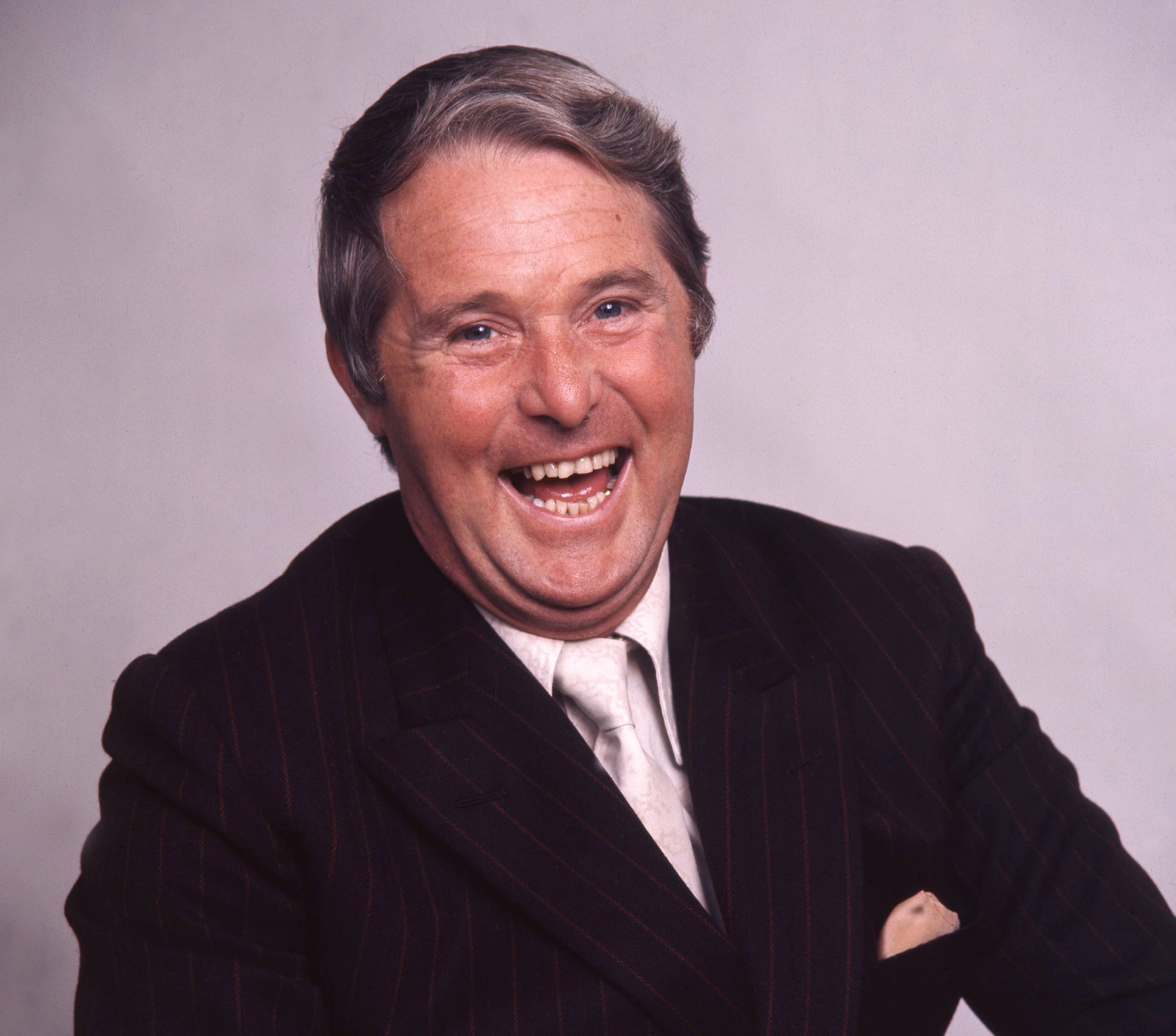
| 5 Quotes | |
| Born as | Ernest Wiseman |
| Occup. | Comedian |
| From | United Kingdom |
| Born | November 27, 1925 Kirkheaton, West Riding of Yorkshire, England |
| Died | March 21, 1999 London, England |
| Cause | Heart Attack |
| Aged | 73 years |
| Cite | |
Citation Formats
APA Style (7th ed.)
Ernie wise biography, facts and quotes. (2026, February 11). FixQuotes. https://fixquotes.com/authors/ernie-wise/
Chicago Style
"Ernie Wise biography, facts and quotes." FixQuotes. February 11, 2026. https://fixquotes.com/authors/ernie-wise/.
MLA Style (9th ed.)
"Ernie Wise biography, facts and quotes." FixQuotes, 11 Feb. 2026, https://fixquotes.com/authors/ernie-wise/. Accessed 27 Mar. 2026.
Early Life and Background
Ernest Wiseman was born on 27 November 1925 in Leeds, West Riding of Yorkshire, into a Jewish family whose everyday life was shaped by interwar austerity and the rough warmth of northern English street culture. Leeds in the 1920s and 1930s offered few certainties, but it did offer voices - music hall turns, local cinemas, and the cadence of working-class banter - that would later surface in Wiseman's instinct for timing and understatement. He grew up during a period when comedy was both refuge and social commentary, a way to metabolize anxiety without naming it.The Second World War arrived as a moral weather system over his adolescence. Like many of his generation, he encountered discipline, travel, and abrupt adulthood through military service, experiences that trained him in self-control and ensemble thinking - skills as useful on stage as on parade. By the time postwar Britain began rebuilding, he had the drive of someone who had seen how quickly normal life can vanish, and the ambition of a performer who understood that laughter could be a form of public repair.
Education and Formative Influences
Wise was not a product of elite schooling so much as of apprenticeship: the informal education of touring theatres, variety bills, and the backstage economy where jokes are tested in real time and failure is immediate. He absorbed the traditions of British music hall and the new, faster rhythms of radio and early television, learning how to be both precise and adaptable. In those years he met Eric Bartholomew - later Eric Morecambe - and their shared sensibility fused northern vernacular, careful construction, and a feel for the audience as collaborator rather than target.Career, Major Works, and Turning Points
Rechristened Ernie Wise, he and Morecambe became one of Britain's defining double acts, first in variety and then, crucially, on television, where their partnership matured into a national habit. After early work under another billing - “We became Morris and Morecambe. This partnership did not last long, however”. - they refined a clearer identity and, by the 1960s and 1970s, built The Morecambe and Wise Show into appointment viewing, famous for its Christmas specials, guest-star sketches, and the elegant friction between Morecambe's clowning and Wise's exasperated dignity. Their comedy thrived on structure: the rehearsed chaos of mistaken grandeur, theatrical pastiche, and the recurring joke that Wise was always trying - and failing - to make the act respectable.Philosophy, Style, and Themes
Wise's inner engine was seriousness, but it was the seriousness of craft rather than self-importance. He played the man who wants order, credit, and artistic legitimacy, and that desire became the joke - and the human point. Looking back on their early TV years, he admitted, “We took the whole thing far too seriously. After all, those were early days in television”. The line is revealing: he understood how novelty pressures performers into over-control, and he learned to convert that tension into comedy - the audience laughing not at incompetence, but at the recognizable struggle to get it right in a changing medium.His themes were domestic as much as showbiz: loyalty, frustration, aspiration, and the quiet fear of being the second man. Wise often treated success as something earned through steadiness, not glamour, and his private life mattered as an anchor. “Things really began to move for us. In 1953 I could afford to marry Doreen”. That phrasing ties emotional security to professional momentum, suggesting a psychology in which love, money, and status were linked - not cynically, but as the practical arithmetic of a postwar performer trying to build a stable life. The result was a style that balanced warmth with discipline: broad enough for family television, but tight enough that each pause, glance, and wounded protest landed like a punchline with an aftertaste.
Legacy and Influence
Wise died on 21 March 1999, but his work remains a template for British double-act comedy: character-based rather than merely gag-based, affectionate rather than cruel, and built around the comic dignity of the put-upon straight man who is never simply "straight". Alongside Morecambe, he helped define what mainstream television comedy could be in an era when the medium itself was still inventing its language, and his influence can be traced in later partnerships, sketch shows, and sitcom performances that rely on controlled irritation, rhythmic timing, and the audience's pleasure in watching professionalism wobble but never collapse.Our collection contains 5 quotes written by Ernie, under the main topics: Witty One-Liners - Marriage - Husband & Wife - Travel.
Source / external links