
Fred Allen Biography Quotes 46 Report mistakes
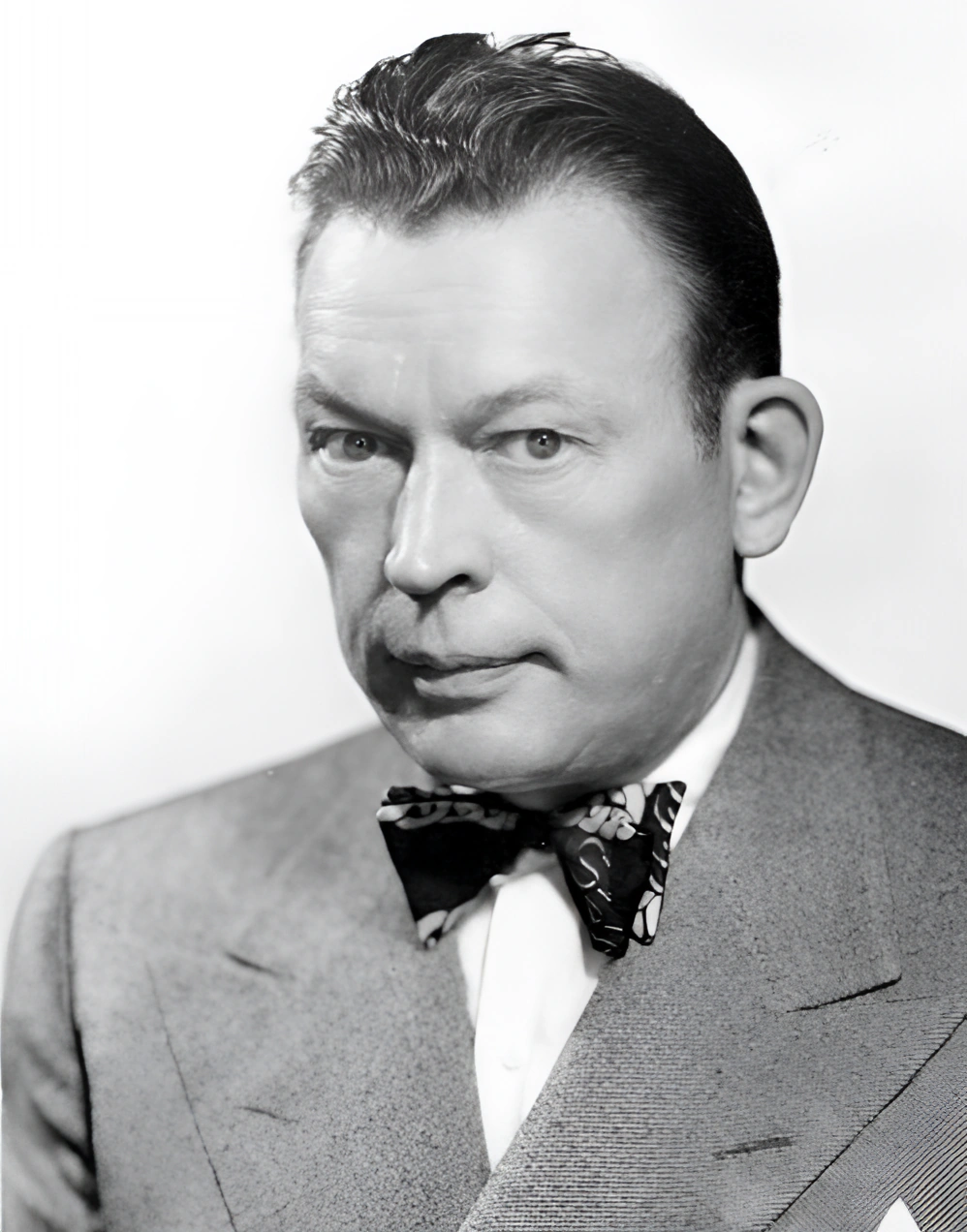
Attr: NBC Radio, Public domain
| 46 Quotes | |
| Born as | John Florence Sullivan |
| Occup. | Comedian |
| From | USA |
| Born | May 31, 1894 Cambridge, Massachusetts |
| Died | March 17, 1956 New York City |
| Cause | heart attack |
| Aged | 61 years |
| Cite | |
Citation Formats
APA Style (7th ed.)
Fred allen biography, facts and quotes. (2026, February 11). FixQuotes. https://fixquotes.com/authors/fred-allen/
Chicago Style
"Fred Allen biography, facts and quotes." FixQuotes. February 11, 2026. https://fixquotes.com/authors/fred-allen/.
MLA Style (9th ed.)
"Fred Allen biography, facts and quotes." FixQuotes, 11 Feb. 2026, https://fixquotes.com/authors/fred-allen/. Accessed 25 Mar. 2026.
Early Life and Background
Fred Allen was born John Florence Sullivan on May 31, 1894, in Cambridge, Massachusetts, a working-class city thick with Irish Catholic parish life, street-corner argument, and the close acoustics of tenements. He later adopted the stage name "Fred Allen" and, with it, a public mask of dry, slightly wounded intelligence that never quite stopped listening for the next heckle. His comedy would retain a Cambridge edge - skeptical of money, allergic to pomposity, and fascinated by how ordinary people defend their dignity with wit.His childhood was marked by instability and loss. His mother, Cecilia Herlihy Sullivan, died when he was very young, and his father, James Henry Sullivan, was often absent and unreliable; Allen and a brother were largely raised by an aunt. That early sense of being untethered - of needing to win safety through performance - left him with a lifelong ambivalence about belonging. Even when he became a national voice, he wrote and spoke like someone standing half a step outside the room, taking notes on the powerful and laughing at the furniture they hide behind.
Education and Formative Influences
Allen attended Boston-area schools and briefly tried to straighten himself into conventional work, but the theater and the circus-like churn of vaudeville offered something his family life had not: a set of rules, however harsh, that rewarded timing and nerve. As a teenager he drifted toward stage work, taking jobs that put him close to footlights, musicians, and comics who treated language like a weapon. He studied audiences the way other people studied books - learning where a pause could bruise, where a word could rescue a failing night, and how self-mockery could turn vulnerability into authority.Career, Major Works, and Turning Points
Allen broke in through vaudeville and early radio, refining a literate, contrarian persona that peaked with NBC's The Fred Allen Show (1932-1949), including the famous "Town Hall Tonight" format and the running gallery of characters around Allen's narrator-host voice. The program became one of radio's sharpest social mirrors, and his long, playful "feud" with Jack Benny proved how modern radio comedy could be - a serialized relationship between two manufactured selves, sustained by timing, rivalry, and affection. His marriage to Portland Hoffa in 1937 steadied him emotionally and artistically; she became both collaborator and ballast. Chronic hypertension and the grind of weekly writing eventually pushed him away from radio at midcentury, but he remained a revered wit through books, guest appearances, and, in 1950, the memoir Treadmill to Oblivion, whose title captured his sense of show business as an engine that runs on nerves. He died in New York City on March 17, 1956.Philosophy, Style, and Themes
Allen's comedy was built on the suspicion that institutions exist mainly to protect their own emptiness. He distrusted committees, studios, sponsors, and the shiny promises of a booming American mass culture, and he treated bureaucracy as a machine designed to convert responsibility into paperwork. In his most quoted formulation, “Committee - a group of men who individually can do nothing but as a group decide that nothing can be done”. The line is funny because it is precise: it exposes how fear of blame becomes a collective style. For Allen, the joke was not merely that people fail - it was that they build systems to formalize failure and then call it prudence.His style fused vaudeville timing with a writer's ear for cadence and a reporter's appetite for hypocrisy. Unlike broader comics, he often played the exasperated observer, the man whose intelligence kept him from being easily impressed - a posture that likely echoed an inner life trained early to expect disappointment and therefore to preempt it with wit. His attacks on Hollywood insincerity were similarly psychological: “You can take all the sincerity in Hollywood, place it in the navel of a fruit fly and still have room enough for three caraway seeds and a producer's heart”. Even his gallows levity about the brain and the bottle - “I'd rather have a full bottle in front of me than a full frontal lobotomy”. - reveals a mind that preferred controlled self-deprecation to public vulnerability. He made cynicism sound like self-defense, then turned it into an art form that listeners recognized as honesty.
Legacy and Influence
Allen helped define what American radio comedy could be: topical without being disposable, character-based without losing the sting of commentary, and written with a density that rewarded attention. His "Town Hall" structure anticipated later desk-and-crowd formats, while his long-form rivalry with Benny foreshadowed modern comedic universes built across shows and media. More broadly, Allen made the comedian-as-critic central to American entertainment - the performer who entertains while diagnosing the culture's pretensions. In an era that increasingly marketed happiness as a product, his enduring influence lies in the permission he gave audiences to laugh at the machinery behind the sales pitch, and to hear in a well-aimed joke the sound of a mind refusing to be managed.Our collection contains 46 quotes written by Fred, under the main topics: Witty One-Liners - Puns & Wordplay - Sarcastic - Mortality - Leadership.
Other people related to Fred: Jack Benny (Comedian), Arthur Schwartz (Composer)