
Henny Youngman Biography Quotes 44 Report mistakes
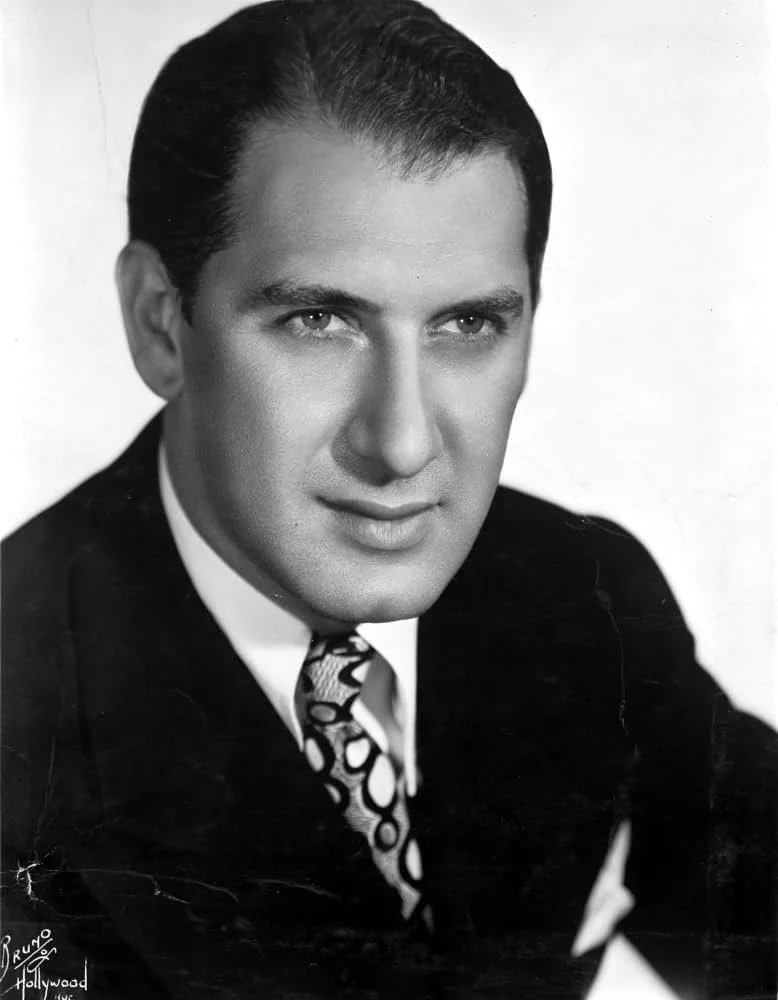
| 44 Quotes | |
| Born as | Henry Youngman |
| Occup. | Comedian |
| From | USA |
| Born | March 16, 1906 London, England |
| Died | February 24, 1998 New York City, USA |
| Aged | 91 years |
| Cite | |
Citation Formats
APA Style (7th ed.)
Henny youngman biography, facts and quotes. (2026, February 1). FixQuotes. https://fixquotes.com/authors/henny-youngman/
Chicago Style
"Henny Youngman biography, facts and quotes." FixQuotes. February 1, 2026. https://fixquotes.com/authors/henny-youngman/.
MLA Style (9th ed.)
"Henny Youngman biography, facts and quotes." FixQuotes, 1 Feb. 2026, https://fixquotes.com/authors/henny-youngman/. Accessed 25 Mar. 2026.
Early Life and Background
Henry Youngman was born on March 16, 1906, in Liverpool, England, into a Jewish family whose fortunes tracked the anxieties and opportunities of the early 20th-century Atlantic world. When he was still a child, the family immigrated to the United States, settling in New York City at a time when the city was becoming the central laboratory of immigrant reinvention - and of American popular entertainment. The cadence of Yiddish-inflected street talk, the ethic of making-do, and the pressure to be quick on your feet all became raw material for the persona he later refined: cheerful, transactional, and always a half-step ahead of embarrassment.Growing up amid working-class hustles and storefront show business, Youngman learned that laughter could function as both camouflage and currency. He was small, fast, and observant, with an instinct for the one-line turn that could puncture tension and reset a room. The neighborhoods that raised him also trained him in audience psychology: people wanted to be recognized - and then rescued - by a joke that made their problems feel briefly negotiable.
Education and Formative Influences
Youngman studied violin and initially pursued music seriously, a discipline that shaped his timing and his later stagecraft; even when he became known for rapid-fire gags, he kept a musician's sense of tempo and structure. He moved through the vaudeville ecosystem as it was morphing under radio, records, and the coming dominance of nightclubs, absorbing the craft tradition of set-ups, tags, and audience management from performers who treated comedy like a trade rather than a confession.Career, Major Works, and Turning Points
By the 1930s and 1940s, Youngman was working clubs, theaters, and radio, gradually becoming a specialist in the compact joke - the kind that could survive bad acoustics, a restless room, or a bill packed with singers and dancers. His signature line, "Take my wife - please!", crystallized a whole approach: marriage as the universal situation comedy and the joke as a quick exit. Postwar nightclub culture and later television variety shows rewarded his portability; he could step into almost any setting and deliver a high hit-rate of one-liners without needing elaborate narrative. As newer comic styles rose in the 1960s and 1970s, he stayed relevant not by competing on intimacy but by sharpening efficiency, turning himself into a living archive of vaudeville-era joke architecture while continuing to perform well into old age.Philosophy, Style, and Themes
Youngman's comedy was engineered for immediacy. He favored the one-liner because it minimized risk: no long story for the audience to abandon, no emotional claim that could be challenged - just a clean, mechanical flip that restored order through surprise. His stage presence projected an everyman impatience with life's fine print, treating institutions - marriage, medicine, money - as systems that never quite deliver on their promises. “The secret of a happy marriage remains a secret”. The line is funny because it is bleakly tidy: it assumes the search itself is the trap, and it hints at a private skepticism he rarely voiced directly.A second current in his work is the conversion of misfortune into brisk inventory. “I've got all the money I'll ever need, if I die by four o'clock”. The joke reads like an accountant's prayer, revealing a psychology tuned to contingency - as if security is always provisional, always one appointment away from revision. Even his sports bits use physical clumsiness to mock the fantasy of control: “While playing golf today I hit two good balls. I stepped on a rake”. Self-deprecation here is not confession but strategy - he makes himself the fall guy so the audience can laugh without guilt, then moves on before the feeling turns tender.
Legacy and Influence
Youngman died on February 24, 1998, in the United States, after a career that functioned as a bridge between vaudeville and modern stand-up. His enduring influence lies in craft: the economy of wording, the disciplined sequencing of laughs, the understanding that a joke can be a tool for social lubrication as much as self-expression. Even comics who reject his marriage-banter template inherit his lesson about structure - that a performer can survive changing eras by mastering timing, clarity, and the ruthless edit, turning everyday anxiety into something that lands, cleanly, in a single sentence.Our collection contains 44 quotes written by Henny, under the main topics: Witty One-Liners - Dark Humor - Puns & Wordplay - Divorce.