
James Thurber Biography Quotes 47 Report mistakes
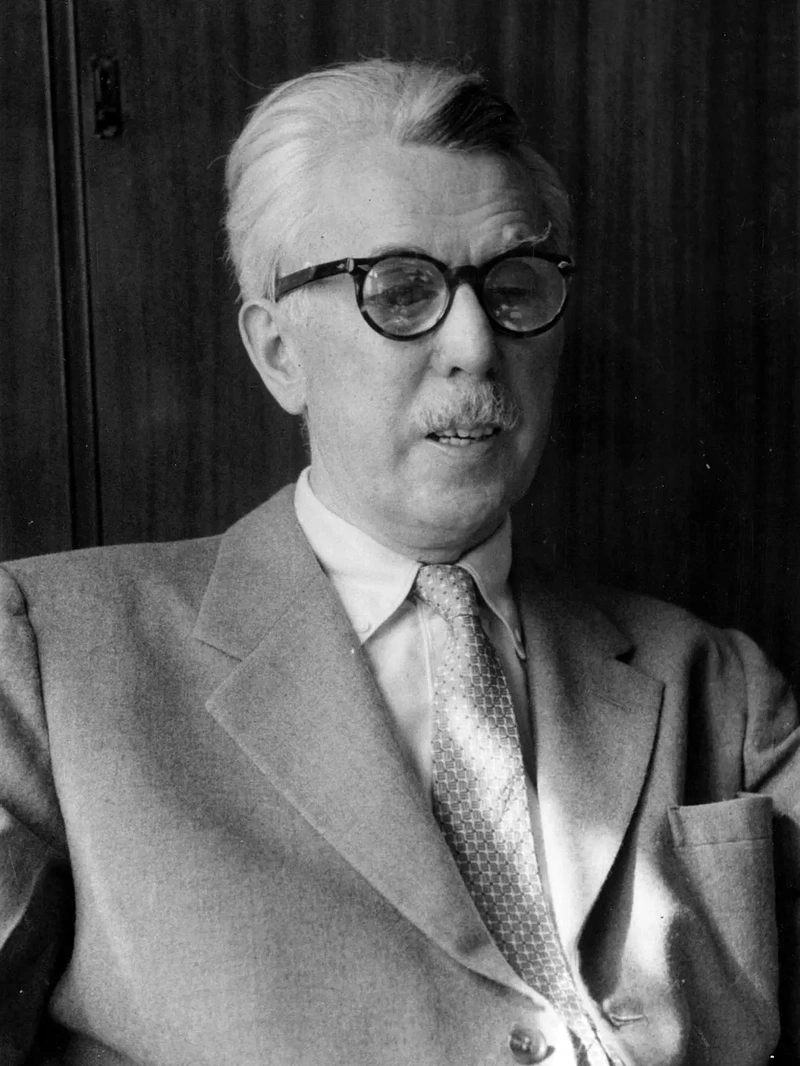
Attr: Britannica
| 47 Quotes | |
| Born as | James Grover Thurber |
| Occup. | Comedian |
| From | USA |
| Born | December 8, 1894 Columbus, Ohio, USA |
| Died | November 2, 1961 New York City, USA |
| Aged | 66 years |
| Cite | |
Citation Formats
APA Style (7th ed.)
James thurber biography, facts and quotes. (2026, February 11). FixQuotes. https://fixquotes.com/authors/james-thurber/
Chicago Style
"James Thurber biography, facts and quotes." FixQuotes. February 11, 2026. https://fixquotes.com/authors/james-thurber/.
MLA Style (9th ed.)
"James Thurber biography, facts and quotes." FixQuotes, 11 Feb. 2026, https://fixquotes.com/authors/james-thurber/. Accessed 24 Mar. 2026.
Early Life and Background
James Grover Thurber was born on December 8, 1894, in Columbus, Ohio, a Midwestern capital city poised between small-town manners and the new velocities of an industrial America. His family life gave him both material and emotional plotlines he would later convert into comic parable: a forceful, theatrically minded mother, Mame, who prized refinement and invention; a father, Charles, more reticent and practical; and brothers whose presence sharpened his ear for domestic rivalry and alliance. The Thurber household was not impoverished, but it was never free of strain, and James grew up reading rooms as carefully as he read books.A childhood accident shaped his inner life as decisively as any schooling. In 1901, a brother accidentally shot him with an arrow, damaging his left eye; infections and complications followed, leaving him with severely limited vision that worsened over time. The impairment encouraged watchfulness, misrecognition, and the anxious comedy of partial information - the sense that reality arrives blurred, then must be redrawn. It also trained him early in endurance: he learned to work around pain and limitation, and to translate vulnerability into style rather than confession.
Education and Formative Influences
Thurber attended local schools and enrolled at Ohio State University, where he wrote and edited for student publications and absorbed the rhythms of newsroom prose and campus satire, though he did not complete a degree. His eyesight complicated the usual paths into military service and certain kinds of employment, pushing him toward writing, sketching, and the portable labor of observation. He also inhaled the era's newspaper humor and the emerging sophistication of American magazine culture, influences that would later converge in his fusion of fable, farce, and urban melancholy.Career, Major Works, and Turning Points
After early reporting and clerical work, Thurber moved into journalism, including stints that took him abroad, then settled into the New York literary world that would define his public identity. In the mid-1920s he joined The New Yorker, first in editorial roles and quickly as one of its signature comic voices, collaborating closely with E.B. White and shaping the magazine's dry, intimate modernity. His breakthrough books - "Is Sex Necessary?" (1929, with White), "My Life and Hard Times" (1933), and "The Middle-Aged Man on the Flying Trapeze" (1935) - turned family memory and male panic into clean, quotable myth. Later collections and tales, including "The Thurber Carnival" (1945) and the enduring short story "The Secret Life of Walter Mitty" (1939), expanded his range from domestic skirmish to daydream epic. As his eyesight deteriorated toward blindness, he dictated more, drew with thicker lines, and leaned into a late style that was simpler on the surface and sharper underneath - comedy as a method of navigation.Philosophy, Style, and Themes
Thurber's comedy is built on the mismatch between what people believe they are and what the household, the office, or the city requires them to be. His men are often besieged not by villains but by schedules, expectations, and the relentless competence of others; his women are frequently vivid forces of will, sometimes affectionate, sometimes terrifying, always real. He wrote as if the home were a stage where the smallest remark can topple dignity, and as if the imagination were the last private room left unlocked. The famous Thurber line drawing - a few nervous strokes that still suggest a whole moral weather system - matches the prose: economical, slightly skewed, and haunted by the suspicion that the world is not fully legible.His inner philosophy was less cynical than it sounded; it was diagnostic. He distrusted confident brightness that flattens complexity, insisting that perception has two modes, one clarifying and one blinding: “There are two kinds of light - the glow that illuminates, and the glare that obscures”. That distinction fits a man who lived with compromised sight and turned limitation into a theory of attention. Beneath the jokes is an ethical restlessness about self-knowledge - why people flee ordinary intimacy or chase applause, and what it costs. “All men should strive to learn before they die, what they are running from, and to, and why”. Even his tenderest sentences are seasoned by experience rather than romance, defining attachment as endurance and shared damage: “Love is what you've been through with somebody”. The psychology is consistent: humor becomes a way to survive the glare, to interrogate fear without surrendering to it, and to domesticate chaos by giving it form.
Legacy and Influence
Thurber died on November 2, 1961, in New York City, having helped define what "smart" American humor sounded like between the wars and into the early Cold War. His influence runs through the DNA of The New Yorker and beyond it - into modern short humor, the personal essay, the animated line of editorial cartooning, and the cultural archetype of the anxious dreamer who escapes into competence. Writers and comedians return to him for the same reason readers do: he made private unease public without making it cheap, and he proved that a sentence can be both a joke and a small instrument of truth.Our collection contains 47 quotes written by James, under the main topics: Witty One-Liners - Funny - Truth - Wisdom - Art.
Other people related to James: Clifton Fadiman (Writer), Peter Arno (Cartoonist), Harold Ross (Editor), Brendan Gill (Critic)