
Jay Leno Biography Quotes 30 Report mistakes
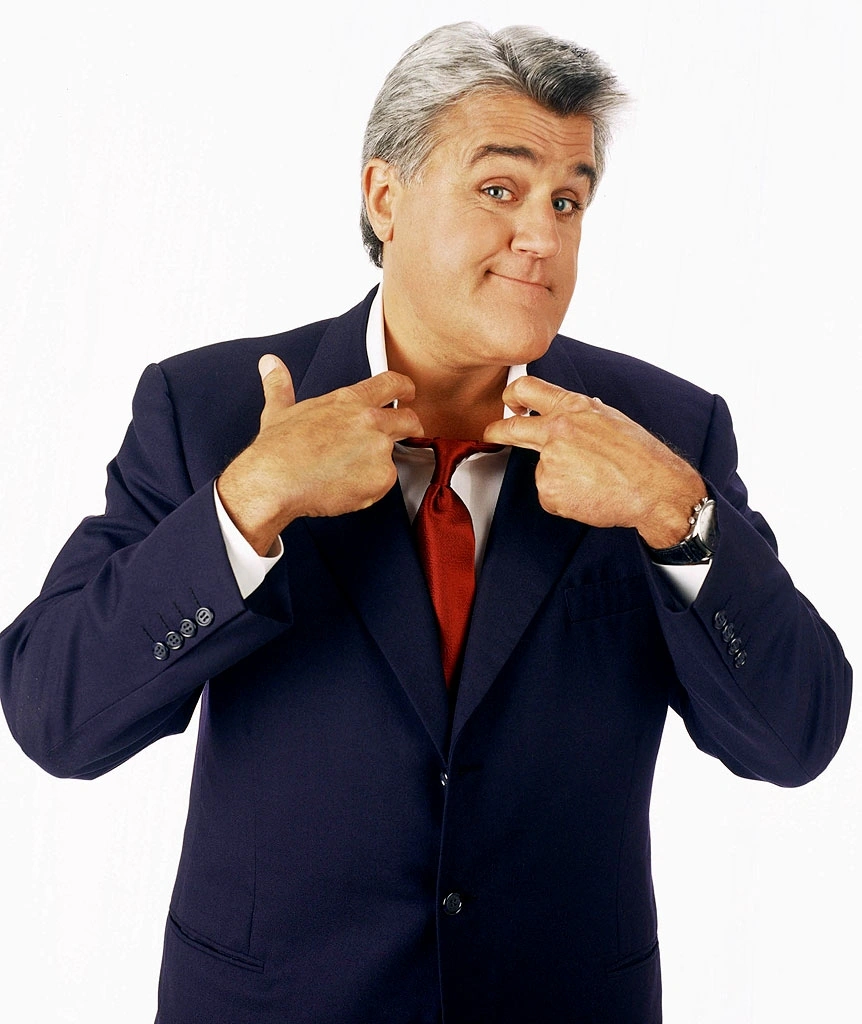
| 30 Quotes | |
| Born as | James Douglas Muir Leno |
| Occup. | Comedian |
| From | USA |
| Born | April 28, 1950 New Rochelle, New York, U.S. |
| Age | 75 years |
| Cite | |
Citation Formats
APA Style (7th ed.)
Jay leno biography, facts and quotes. (2026, February 11). FixQuotes. https://fixquotes.com/authors/jay-leno/
Chicago Style
"Jay Leno biography, facts and quotes." FixQuotes. February 11, 2026. https://fixquotes.com/authors/jay-leno/.
MLA Style (9th ed.)
"Jay Leno biography, facts and quotes." FixQuotes, 11 Feb. 2026, https://fixquotes.com/authors/jay-leno/. Accessed 4 Mar. 2026.
Early Life and Background
James Douglas Muir Leno was born on April 28, 1950, in New Rochelle, New York, and grew up in the working-class neighborhoods of Andover, Massachusetts. His father, Angelo Leno, was an insurance salesman from Italy; his mother, Catherine Muir, was a Scottish immigrant. The mix of immigrant practicality and New England reserve became an early template for his public persona: the industrious kid who watched the adult world closely, then translated it into jokes that sounded like plain talk.Family stories and later interviews point to a boy who felt slightly out of step and compensated by becoming observationally sharp. Leno developed a habit of turning discomfort into performance, building confidence through repetition rather than charisma. That quiet drive - to be prepared, to be reliable, to outwork the room - would later define his backstage reputation as much as his on-air smile.
Education and Formative Influences
Leno attended Emerson College in Boston, graduating in 1973, and helped found a campus comedy group that gave him both stage time and a laboratory for timing. Boston in the early 1970s offered a gritty circuit of clubs and college gigs where a comedian learned to survive indifferent crowds. He absorbed the craft of clean structure from classic stand-up and the street-level cadence of blue-collar talk, favoring quick, accessible premises over confessional monologues.Career, Major Works, and Turning Points
After moving to Los Angeles in the mid-1970s, Leno built a career through steady club work and frequent guest spots on TV, including early breaks on "The Tonight Show Starring Johnny Carson" and a growing presence on late-night booking rosters. His major turning point came in 1992 when he was chosen to succeed Carson as host of NBC's "The Tonight Show", a succession that became a national media drama. Leno stabilized the franchise with monologue-driven consistency, celebrity interviews, and recurring bits, eventually winning ratings battles and becoming one of the defining mainstream comedians of his era. After stepping down in 2009, returning in 2010 amid another public controversy, and finally leaving the show in 2014, he pivoted to projects that matched his long-running passions, notably automotive work such as "Jay Leno's Garage", while continuing stand-up as his professional home base.Philosophy, Style, and Themes
Leno's comedy is built on the premise that the audience is smart enough to recognize hypocrisy but tired enough to want it delivered simply. He favors the monologue as a daily civic ritual: take the news, strip it to a human contradiction, and let the laugh serve as a pressure valve. His best jokes play like consumer complaints about modern life - short, vivid, and slightly incredulous - and they reveal a psychology that trusts craft more than revelation. "I went into a McDonald's yesterday and said, "I'd like some fries". The girl at the counter said, "Would you like some fries with that?"" . The point is not the fries; it is the feeling of being processed by systems that no longer listen, a theme he returns to whenever technology, bureaucracy, or etiquette becomes absurd.Politics, for Leno, is less ideology than theater, and his instinct is to puncture the costumes rather than join the cast. “Politics is just show business for ugly people”. That line doubles as a credo: he treats power as performance, so his satire aims at vanity, messaging, and self-importance, not at persuading the crowd to switch teams. Underneath the genial delivery is a disciplined self-management - a belief that confidence should be earned nightly, not granted. “I think high self-esteem is overrated. A little low self-esteem is actually quite good. Maybe you're not the best, so you should work a little harder”. In Leno's case, the joke reads like autobiography: the relentless booking schedule, the meticulous monologue writing, and the reputation for professionalism suggest someone who converts doubt into repetition until it becomes mastery.
Legacy and Influence
Leno's enduring influence rests on making late-night comedy feel like a dependable newspaper column: topical, broadly legible, and engineered for rhythm. He helped define the modern monologue as an industrial art - a daily product requiring speed, clarity, and an ear for the language of ordinary irritation. The controversies around his hosting transitions became part of the cultural record of television power, but his deeper legacy is the model of the comedian as craftsman: a performer who keeps returning to the stage, refining premises in front of real crowds, and treating mass entertainment as a job that must be done well every night.Our collection contains 30 quotes written by Jay, under the main topics: Witty One-Liners - Dark Humor - Work Ethic - War - Mother's Day.
Other people related to Jay: Carrot Top (Comedian), Kevin Eubanks (Musician), Branford Marsalis (Musician), David Brenner (Comedian), Jimmie Walker (Actor), Pauly Shore (Comedian), Don Rickles (Comedian)
Source / external links