
Johnny Carson Biography Quotes 23 Report mistakes
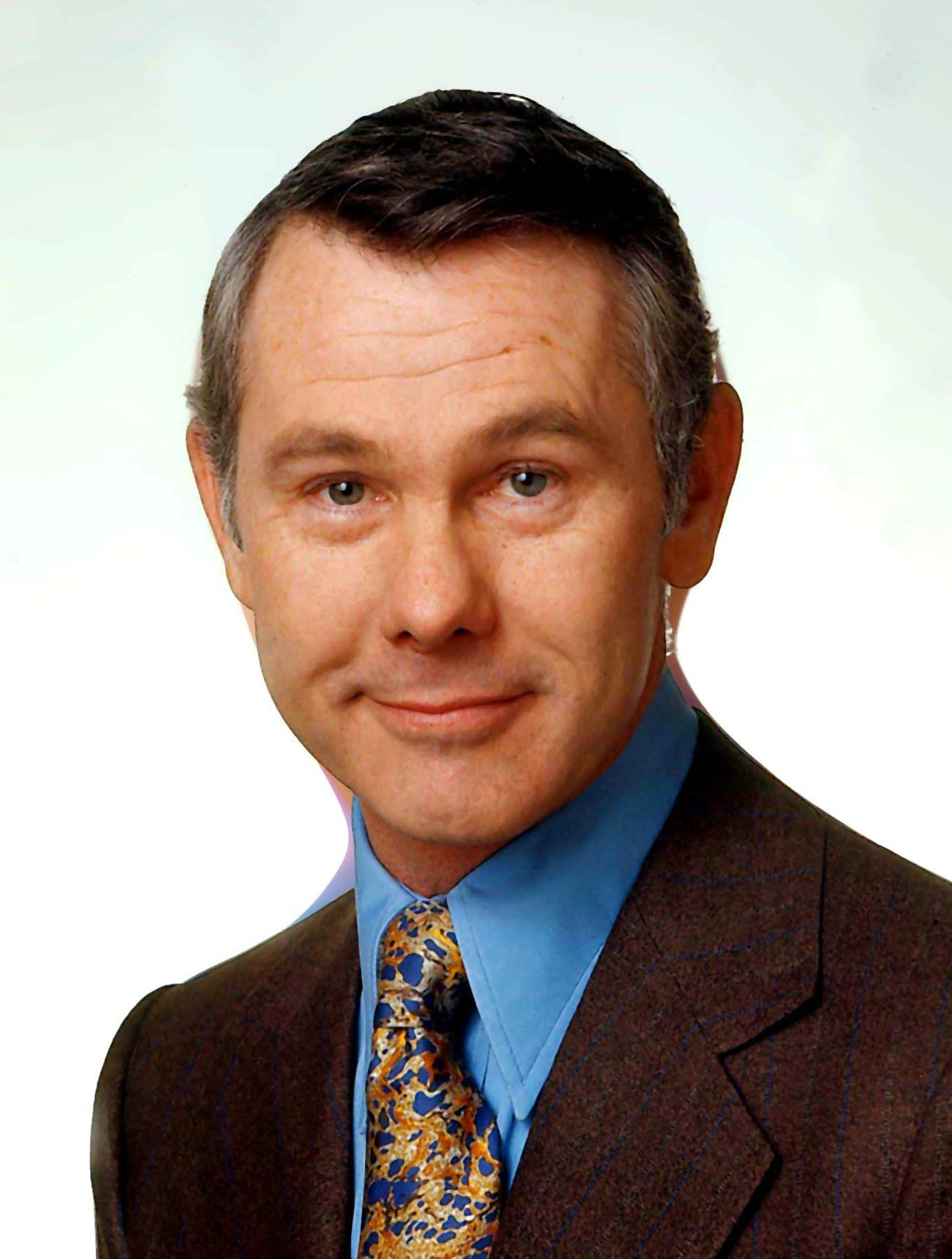
| 23 Quotes | |
| Born as | John William Carson |
| Occup. | Comedian |
| From | USA |
| Born | October 23, 1925 Corning, Iowa, U.S. |
| Died | January 23, 2005 Los Angeles, California, U.S. |
| Aged | 79 years |
| Cite | |
Citation Formats
APA Style (7th ed.)
Johnny carson biography, facts and quotes. (2026, February 11). FixQuotes. https://fixquotes.com/authors/johnny-carson/
Chicago Style
"Johnny Carson biography, facts and quotes." FixQuotes. February 11, 2026. https://fixquotes.com/authors/johnny-carson/.
MLA Style (9th ed.)
"Johnny Carson biography, facts and quotes." FixQuotes, 11 Feb. 2026, https://fixquotes.com/authors/johnny-carson/. Accessed 12 Feb. 2026.
Early Life and Background
John William Carson was born on October 23, 1925, in Corning, Iowa, the second son of Homer Lloyd "Kit" Carson, a power-company manager, and Ruth Hook Carson. The family moved frequently through small Midwestern towns before settling in Norfolk, Nebraska, a place whose modest rhythms and neighborly surveillance later fed his instinct for making mass audiences feel both safe and slightly complicit. The Midwest gave Carson his baseline persona: courteous, unflashy, quick to laugh, and careful not to reveal too much.As a boy he became fascinated by radio patter and stagecraft, building his own showmanship out of spare parts and local attention. He absorbed the discipline of timing from listening, then the discipline of control from performing - the sense that laughter could be engineered if you understood what people expected and how to delay it. That combination of social ease and inner reserve would define him: a man whose public warmth often served as camouflage for a private need to stay unpinned.
Education and Formative Influences
After serving in the U.S. Navy during World War II, Carson used the GI Bill to attend the University of Nebraska-Lincoln, studying speech and drama and sharpening the clean delivery that would become his signature. He was shaped by vaudeville structure, Jack Benny-style understatement, and the emerging dominance of television as the national hearth - a new arena where intimacy could be mass-produced, and where a performer could seem spontaneous while remaining rigorously in command.Career, Major Works, and Turning Points
Carson began in radio and local television, first in Omaha and then in Los Angeles, where his blend of quick monologue writing and relaxed authority opened doors. He became a familiar face on network TV through game shows and variety appearances, including hosting the ABC quiz show Who Do You Trust? (1957-1962). The decisive turning point came in 1962 when he succeeded Jack Paar as host of NBC's The Tonight Show, a job he held until 1992. Over three decades he turned the talk-show desk into an American institution: the opening monologue, the sidekick chemistry with Ed McMahon, the band under leaders like Doc Severinsen, and the couch as both confessional and launchpad. He introduced or amplified generations of comics and entertainers, with a famous ability to anoint talent by calling someone to the sofa, while also defending his own territory through meticulous control of tone, booking, and on-air rhythm. Contract battles with NBC, shifts in time slots, and the high-stakes succession drama that later propelled Jay Leno forward all underscored how much his persona had become part of the network's identity.Philosophy, Style, and Themes
Carson's comedy was built on a paradox: he projected ease, but worked like a craftsman. He favored the monologue as nightly civic ritual, converting headlines into relief and letting viewers feel up to date without having to be deeply informed. His jokes often carried a quietly economic worldview about attention and comfort: "People will pay more to be entertained than educated". It was not cynicism so much as professional realism - a recognition that late-night television was a pressure valve for a nation that wanted its anxieties translated into something manageable before sleep.His themes circled marriage, money, celebrity, and the small absurdities of social life, usually with an undertow of disillusionment. The marital material, in particular, read like self-diagnosis disguised as crowd-pleasing banter: "Married men live longer than single men. But married men are a lot more willing to die". Under the laugh was a portrait of intimacy as negotiated endurance, a topic that resonated with his own multiple marriages and guarded domestic privacy. Even his show-business riffs carried a moral geometry about fairness and imitation: "If life were fair, Elvis would be alive and all the impersonators would be dead". The line lands because it sounds like a punch at kitsch, but it also reveals Carson's deeper irritation with counterfeit feeling - the way fame tempts people to mimic rather than live, and the way television itself can turn authenticity into an endlessly reproducible act.
Legacy and Influence
Carson died on January 23, 2005, in Malibu, California, but his template remains the spine of American late-night: the monologue as daily editorial, the host as both ringmaster and audience surrogate, the desk as a place where power can pretend to be casual. His enduring influence lies less in any single bit than in the tone he standardized - ironic but not cruel, polished but not stiff, intimate while withholding intimacy. In an era when television consolidated a national culture, Carson became the night voice of that culture, proving that a comedian could function as a steadying civic presence while keeping his own inner life largely off-camera.Our collection contains 23 quotes written by Johnny, under the main topics: Witty One-Liners - Motivational - Dark Humor - Work Ethic - Marriage.
Other people related to Johnny: Steven Wright (Comedian), Joan Rivers (Comedian), Jerry Seinfeld (Comedian), David Letterman (Comedian), Dick Cavett (Entertainer), Mort Sahl (Journalist), Dana Carvey (Comedian), Red Buttons (Comedian), Alan King (Comedian), Dean Martin (Actor)
Source / external links