
Joseph Addison Biography Quotes 70 Report mistakes
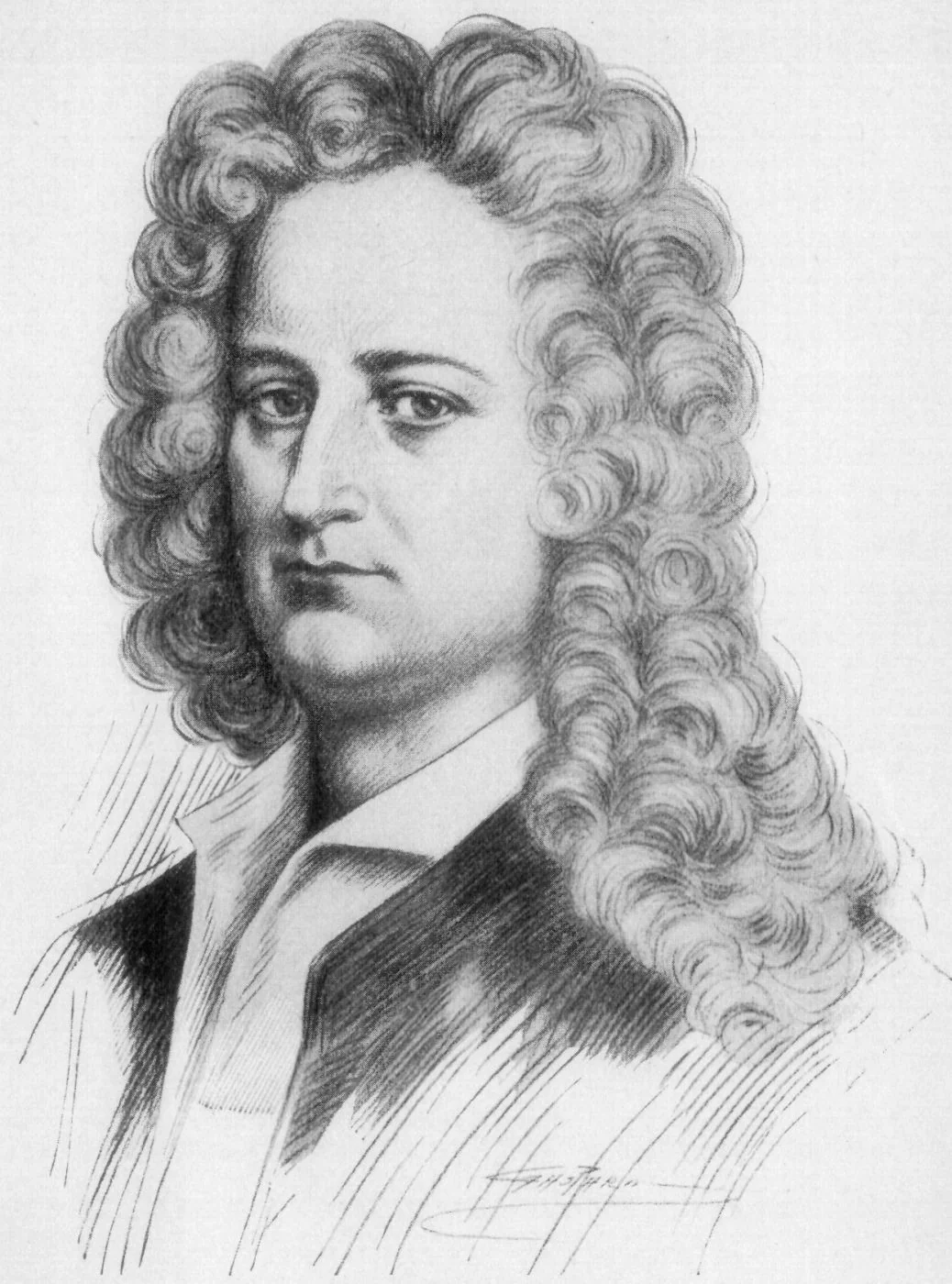
| 70 Quotes | |
| Occup. | Writer |
| From | England |
| Born | May 1, 1672 Milstreet, Wiltshire, England |
| Died | June 17, 1719 Kensington, London, England |
| Aged | 47 years |
| Cite | |
Citation Formats
APA Style (7th ed.)
Joseph addison biography, facts and quotes. (2026, February 11). FixQuotes. https://fixquotes.com/authors/joseph-addison/
Chicago Style
"Joseph Addison biography, facts and quotes." FixQuotes. February 11, 2026. https://fixquotes.com/authors/joseph-addison/.
MLA Style (9th ed.)
"Joseph Addison biography, facts and quotes." FixQuotes, 11 Feb. 2026, https://fixquotes.com/authors/joseph-addison/. Accessed 5 Mar. 2026.
Early Life and Background
Joseph Addison was born 1 May 1672 in Milston, Wiltshire, into the clerical and royalist culture of Restoration England - a world still bruised by civil war memories and newly disciplined by the Church of England settlement. His father, Lancelot Addison, a learned Anglican divine who had served as chaplain in Tangier before becoming Dean of Lichfield, gave his son both a model of public duty and an early immersion in theology, languages, and the moral temper of the pulpit. The household moved through cathedral towns and their hierarchies, teaching Addison how reputation, patronage, and civility could govern lives as surely as laws.This background formed a temperament that sought moderation without softness: he was ambitious, but trained to translate ambition into serviceable prose, social tact, and public usefulness. England in Addison's youth was becoming a commercial, coffeehouse nation, with politics migrating from court to print; the same shift that destabilized older authority created the opening for a writer who could make morals fashionable and party arguments sound like common sense. Addison learned early to prize social harmony, partly because he watched how quickly national harmony could fracture.
Education and Formative Influences
Addison was educated at Charterhouse School and Queen's College, Oxford, then at Magdalen College, where he became a fellow and gained notice for Latin verse and polished occasional poems. At Oxford he absorbed classical models of balance and urbanity - Horace, Virgil, and the Roman essayistic ideal of moral instruction with wit - while also navigating the new regime of William and Mary and the rival claims of Whig and Tory. His early success depended on patrons as much as talent; the lesson was practical: ideas travel farther when they are dressed in elegance, and a writer can become an unofficial civil servant by shaping the tone of public conversation.Career, Major Works, and Turning Points
Addison's poem "The Campaign" (1704), celebrating Marlborough's victory at Blenheim, won him Whig patronage and government posts - including Commissioner of Appeals, Under-Secretary of State, and later Secretary of State (1717) - even as he proved better at persuasion than administration. A pivotal turning point came with the periodical essays: with Richard Steele he founded The Tatler (1709) and then The Spectator (1711-1712), where Addison's essays on manners, religion, taste, and the "pleasures of the imagination" helped define the early eighteenth-century essay and the ideal of the polite public sphere. His tragedy Cato (1713) became a political event as well as a literary one, read by Whigs as a hymn to liberty and by Tories as a warning against faction - a sign that Addison had mastered a rare art: writing that opposing parties could claim without entirely breaking it.Philosophy, Style, and Themes
Addison's inner life seems ruled by the desire to civilize conflict - to make passions governable through habit, humor, and shared standards. He treated reading not as escape but as moral equipment, insisting that “Reading is a basic tool in the living of a good life”. That sentence captures his psychology: a man anxious about the volatility of public life, and therefore devoted to the slow formation of character through steady attention. His essays repeatedly return to the idea that private discipline becomes public peace - that the nation can be improved by improving the individual's daily mind.His religious writing and his treatment of providence also reveal an author trying to reconcile modern skepticism with social cohesion. He could argue that disbelief was not a mark of superior reason but its own demanding posture: “To be an atheist requires an indefinitely greater measure of faith than to recieve all the great truths which atheism would deny”. The aim was less metaphysical victory than cultural stability - defending a rational, temperate Christianity compatible with commerce, science, and politeness. Yet Addison was not naive about time and reputation; he knew the asymmetry between what writers give and what the future returns, remarking, “We are always doing something for posterity, but I would fain see posterity do something for us”. Beneath the smile of his prose is a quieter unease: the fear of being useful and forgotten, and the hope that civility might outlast the parties that consumed his own day.
Legacy and Influence
Addison's enduring influence lies in how he made the essay a civic instrument: brief, repeatable, conversational, and morally ambitious without becoming sectarian. The Spectator set patterns for periodical journalism, middle-class taste, and the English sentence itself - clear, poised, and strategically modest - while Cato traveled far beyond the stage to become a touchstone for later arguments about liberty and public virtue. Later writers from Samuel Johnson to the nineteenth-century essayists inherited Addison's conviction that style is ethics made audible, and that a nation can be educated not only by laws and schools but by the daily habits of reading, judgment, and restrained speech.Our collection contains 70 quotes written by Joseph, under the main topics: Witty One-Liners - Ethics & Morality - Funny - Wisdom - Truth.
Other people related to Joseph: Richard Steele (Dramatist), Thomas Babington (Poet), Barton Booth (Actor), John Philips (Poet), Eustace Budgell (Writer), Richard Blackmore (Poet)
Joseph Addison Famous Works
- 1715 The Freeholder (Essay series)
- 1713 Cato, a Tragedy (Play)
- 1711 The Spectator (Essay series)
- 1709 The Tatler (Essay series)
- 1704 The Campaign (Poem)
Source / external links