
Lou Costello Biography Quotes 2 Report mistakes
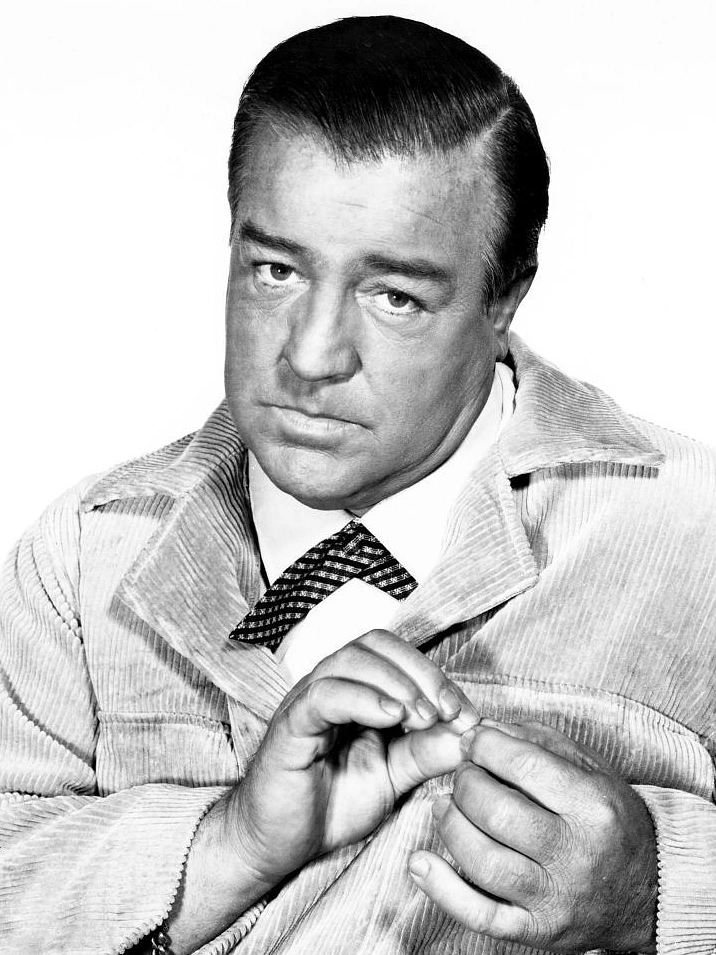
| 2 Quotes | |
| Born as | Louis Francis Cristillo |
| Occup. | Comedian |
| From | USA |
| Born | March 6, 1906 Paterson, New Jersey, USA |
| Died | March 3, 1959 Beverly Hills, California, USA |
| Cause | heart attack |
| Aged | 52 years |
| Cite | |
Citation Formats
APA Style (7th ed.)
Lou costello biography, facts and quotes. (2026, February 11). FixQuotes. https://fixquotes.com/authors/lou-costello/
Chicago Style
"Lou Costello biography, facts and quotes." FixQuotes. February 11, 2026. https://fixquotes.com/authors/lou-costello/.
MLA Style (9th ed.)
"Lou Costello biography, facts and quotes." FixQuotes, 11 Feb. 2026, https://fixquotes.com/authors/lou-costello/. Accessed 27 Mar. 2026.
Early Life and Background
Louis Francis Cristillo was born on March 6, 1906, in Paterson, New Jersey, the youngest of four children in an Italian American, working-class household. Paterson was a mill city shaped by immigration, church life, and the discipline of factory schedules, and Costello grew up absorbing the sharp talk, quick bargains, and neighborhood theatrics that later fed his stage persona. Small in stature and often underestimated, he learned early that speed - of tongue, of timing, of escape - could turn vulnerability into control.As a boy he gravitated toward movies and slapstick, idolizing silent clowns and prizefighters in equal measure. He played at being a performer long before he had a venue: on stoops, in schoolrooms, and in the informal arenas where a laugh was a kind of currency. The America Costello came of age in was racing toward mass entertainment and mass anxiety; by the time the Depression hit, the same cities that produced entertainers also produced audiences hungry for distraction, and he had already trained himself to read a room.
Education and Formative Influences
Costello attended public school in Paterson but was pulled more strongly by the promise of show business than by classrooms, and he left formal education early. He apprenticed himself instead to the popular culture of his time: vaudeville circuits, burlesque houses, and the physical grammar of silent film. He took the stage name "Costello" from actress Helene Costello and learned, job by job, the craft that could not be taught on paper - how to fall without injury, how to argue without malice, and how to make embarrassment look like bravado.Career, Major Works, and Turning Points
After drifting through small-time bookings and film extra work, he found his defining partnership with Bud Abbott in the 1930s, a pairing that refined the classic straight man and comic dynamic into something unusually musical in its rhythm. National fame arrived via radio and then film at Universal, beginning with One Night in the Tropics (1940) and exploding with Buck Privates (1941). Their run became a wartime institution, and routines like "Who's on First?" turned into American folk comedy, built on language collapsing under its own logic. Costello also headlined as a pinched, anxious everyman in films such as Hold That Ghost (1941) and Abbott and Costello Meet Frankenstein (1948), and later worked without Abbott as health problems mounted. Behind the pace was strain: the pressure of constant production, business disputes, and personal tragedy, including the death of his young son in 1943, after which his comedy often carried an audible edge of grief. He died in Los Angeles on March 3, 1959, days shy of his 53rd birthday.Philosophy, Style, and Themes
Costello's style was a study in controlled panic - the body crouched for impact, the voice climbing into protest, the eyes telegraphing that the world was rigged and he had spotted the rigging too late. His genius was not only pratfalls but precision: he could make a simple misunderstanding feel like an existential trap, and he could stretch a single word into a whole scene of dread. The Costello character wants dignity, but the universe keeps re-labeling him, as in "Who's on First?" where identity becomes a practical joke and language itself turns hostile. That tension - craving respect while expecting betrayal - powered his most durable laughs.His comedy also returned repeatedly to domestic bargaining and the comic erosion of romance into routine. “A husband is what's left of a sweetheart after the nerve has been killed”. The line captures the hard-boiled tenderness beneath his act: affection survives, but it survives as endurance, and endurance is funny only because it is familiar. Even his lighter exclamations work as emotional armor; “That was the best ice cream soda I ever tasted”. In Costello's mouth, pleasure is brief, almost defiant - a childlike insistence that small joys matter even when the grown-up world is bruising.
Legacy and Influence
Costello helped fix the modern template for the comedic underdog: reactive, talkative, physically expressive, and forever negotiating with authority. "Who's on First?" remains a foundational text for performers studying timing, misdirection, and the mechanics of escalation, while Abbott and Costello Meet Frankenstein proved that comedy could crossbreed with horror without losing its spine. Later comics and filmmakers, from sketch writers to sitcom ensembles, inherited his lesson that the laugh is often a form of survival - a way to turn confusion, grief, and social embarrassment into a shared release.Our collection contains 2 quotes written by Lou, under the main topics: Food - Husband & Wife.
Other people related to Lou: Bud Abbott (Actor)