
Margaret Smith Biography Quotes 6 Report mistakes
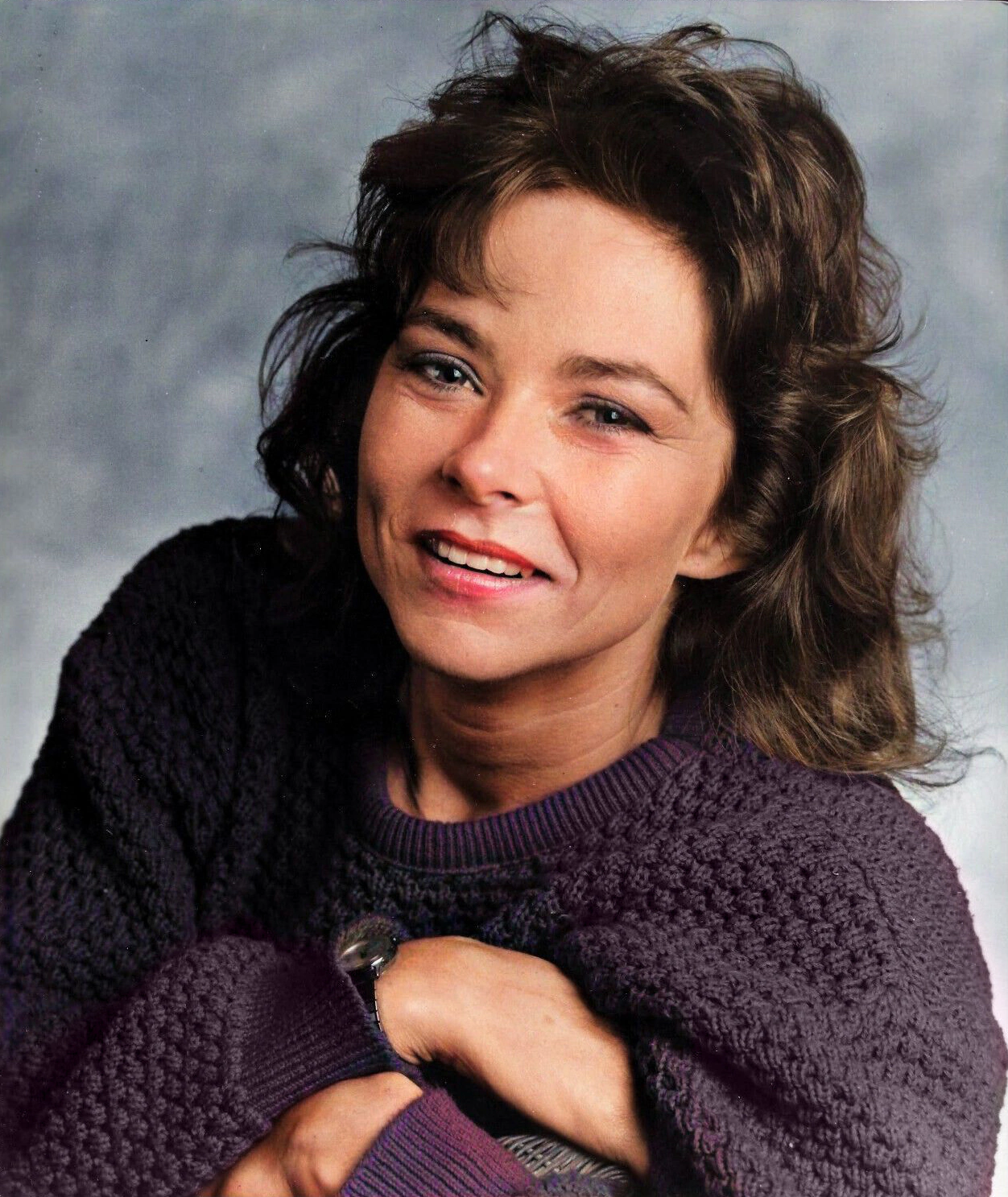
Attr: Margaret Smith 1991 Agency Promo Photo
| 6 Quotes | |
| Occup. | Comedian |
| From | USA |
| Born | January 1, 1956 Chicago, Illinois, USA |
| Age | 70 years |
| Cite | |
Citation Formats
APA Style (7th ed.)
Margaret smith biography, facts and quotes. (2026, February 11). FixQuotes. https://fixquotes.com/authors/margaret-smith/
Chicago Style
"Margaret Smith biography, facts and quotes." FixQuotes. February 11, 2026. https://fixquotes.com/authors/margaret-smith/.
MLA Style (9th ed.)
"Margaret Smith biography, facts and quotes." FixQuotes, 11 Feb. 2026, https://fixquotes.com/authors/margaret-smith/. Accessed 12 Feb. 2026.
Early Life and Background
Margaret Smith was born on January 1, 1956, in the United States, coming of age in the long aftershock of the postwar boom and the social convulsions of the 1960s and 1970s. Even without a single canonical hometown attached to her public legend, the comic persona that made her recognizable was unmistakably American: blunt, quick to puncture piety, and alert to the small humiliations of ordinary life. Her family stories, often told as if they were overheard confessions, suggest a home where love and irritation cohabited - the kind of domestic weather that teaches a future comedian timing, self-protection, and the art of saying the risky thing first.From early on, Smiths inner life appears to have been shaped by a dual pressure: the expectation to be pleasant and the private need to be honest. In an era when womens independence was widening in law and culture but still policed in daily manners, comedy became her permission slip. Her recollections of relatives and rituals read less like nostalgia than like case studies in how resentment hardens into family tradition, and how a child learns to turn embarrassment into a story before it turns into shame.
Education and Formative Influences
Smiths formative influences were less about credentials than about exposure - to mass media, to changing sexual politics, and to the new frankness entering American speech. She developed in the shadow of second-wave feminism, post-Watergate cynicism, and the rise of confessional performance, absorbing the idea that a joke could be both a defense mechanism and a moral instrument. The comedians who mattered most to her were those who treated the stage as a truth-telling site rather than a place to perform charm, and she learned to write in the idiom of everyday conversation: fast, specific, and willing to let a taboo word do the work of a paragraph.Career, Major Works, and Turning Points
Smith built her reputation as a stand-up comedian by leaning into subjects that polite company preferred to euphemize - family distance, sexual bargaining, religious myth, and the quiet economies of loneliness. Her career advanced through the classic grind of American comedy: small rooms, repeat sets refined by audience recoil and laughter, and a growing ability to make discomfort feel like recognition. A key turning point was her decision to treat her own romantic and familial disappointments not as wounds to hide but as raw material, shifting from generic observational humor to a sharper autobiographical mode that made her act feel like an argument as much as entertainment.Philosophy, Style, and Themes
Smiths comedy is powered by a psychology of refusal. She distrusted sentimental narratives - about family closeness, romantic destiny, and sanctified womanhood - and she treated them as scripts imposed on people who were already exhausted. The joke, for her, was a way to reclaim agency in situations where women were expected to accommodate. "The best contraceptive is the word no - repeated frequently". That line is not merely a punch line; it reveals her central ethic: boundaries are not cruelty, they are survival, and repeating them is a form of self-respect.Her style is compact and cutting, favoring one-liners that snap like closing doors. She often framed intimacy as a negotiation in which the terms are unequal, then used laughter to expose the absurdity of pretending otherwise. "If I had been the Virgin Mary, I would have said "No."" . Beneath the blasphemous sparkle is a serious theme: the sacred stories society tells about womens consent are frequently stories that erase it. Even her lighter family material carries a grim anthropology of kinship, where affection competes with irritation and long memory. "I don't visit my parents often because Delta Airlines won't wait in the yard while I run in". The exaggeration works because the emotional math is precise - distance is not always geography, and guilt can feel like an airline schedule you can never quite meet.
Legacy and Influence
Margaret Smith endures less as a single famous routine than as a model of what a certain kind of American comic voice can do: turn private constraint into public language. Her influence is visible in later stand-up that treats consent, family obligation, and religious inheritance as legitimate comic subjects rather than off-limits terrain, and in the broader shift toward womens anger being allowed to read as humor instead of pathology. Smiths best work implies that laughter is not the opposite of seriousness; it is one way seriousness survives - sharpened into sentences short enough to say out loud.Our collection contains 6 quotes written by Margaret, under the main topics: Witty One-Liners - Dark Humor.
Other people related to Margaret: Stevie Smith (Poet)
Source / external links