
Mary Astell Biography Quotes 39 Report mistakes
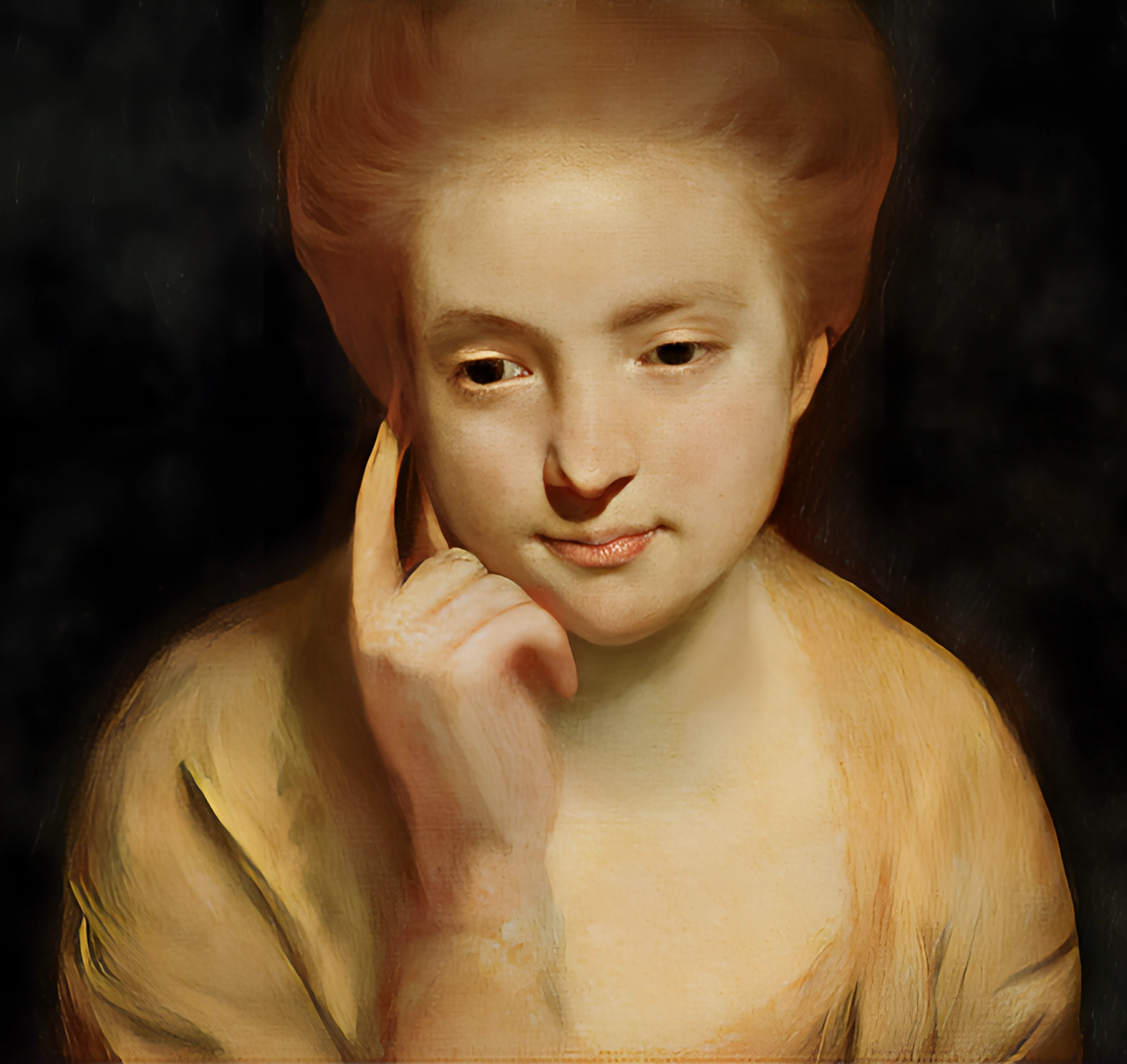
| 39 Quotes | |
| Occup. | Writer |
| From | England |
| Born | December 12, 1666 Newcastle upon Tyne, England |
| Died | May 11, 1731 Chelsea, England |
| Aged | 64 years |
| Cite | |
Citation Formats
APA Style (7th ed.)
Mary astell biography, facts and quotes. (2026, February 11). FixQuotes. https://fixquotes.com/authors/mary-astell/
Chicago Style
"Mary Astell biography, facts and quotes." FixQuotes. February 11, 2026. https://fixquotes.com/authors/mary-astell/.
MLA Style (9th ed.)
"Mary Astell biography, facts and quotes." FixQuotes, 11 Feb. 2026, https://fixquotes.com/authors/mary-astell/. Accessed 5 Mar. 2026.
Early Life and Background
Mary Astell was born on December 12, 1666, in Newcastle upon Tyne, in the anxious afterglow of civil war and restoration, when Anglican settlement and fears of dissent shaped public life. Her family belonged to the citys middling gentry-merchant world; the household knew both the pride of local standing and the fragility of fortunes in a trading town. That mixture of aspiration and precarity would later sharpen her sense that womens security depended less on romance than on institutions, education, and moral self-command.Her father, Peter Astell, died when she was still young, leaving her mother, Mary (nee Errington), to manage reduced circumstances. Loss and dependence were not abstractions in Astells youth - they were the daily arithmetic of a womans life without property or a husband. In that early confrontation with contingency she formed a lifelong suspicion of the way society trained women for ornament while denying them durable means of judgment and self-support.
Education and Formative Influences
Astell did not attend a formal school, but she received an unusually rigorous private education for a girl, reportedly guided by her uncle Ralph Astell, an Anglican clergyman. She absorbed logic, rhetoric, and the devotional culture of the Church of England, and she read with a philosophers appetite as the new science and Cartesian method filtered into English intellectual circles. In her twenties she moved to London, entering a world of booksellers, salons, and clerical patrons where a single woman could live by her pen only at the price of constant scrutiny.Career, Major Works, and Turning Points
In the 1690s Astell became one of Englands first widely recognized female political-philosophical writers, publishing A Serious Proposal to the Ladies (Part I, 1694; Part II, 1697), which urged an academy-like retreat where women could cultivate reason and piety rather than courtly display. Some Thoughts in Reference to Vertue (1700) deepened her moral program, while her best-known intervention, Some Reflections upon Marriage (1700; expanded 1706), anatomized the legal and emotional asymmetries of wedlock with unprecedented frankness. Astell was also a High Church Tory polemicist: The Christian Religion, as Professd by a Daughter of the Church of England (1705) defended Anglican orthodoxy and disciplined devotion, and The Moderation Truly Stated (1704) attacked what she saw as latitudinarian softness toward dissent. In later life she withdrew from the literary marketplace into a devout circle around the Chelsea hospital and the learned women she admired, maintaining influence through correspondence, reputation, and the durable scandal-and-admiration her marriage critique continued to provoke. She died on May 11, 1731, in Chelsea, and was buried at the church of All Saints.Philosophy, Style, and Themes
Astell fused rationalist method with Anglican spirituality, arguing that the mind - not gendered custom - defined human dignity. Her feminism was not an imported modernity but an internal critique of Christian and civil society, asking why a faith that affirmed souls before God tolerated systematic stunting of womens intellect. She insisted that female folly was manufactured, not natural: “Women are from their very infancy debarred those Advantages with the want of which they are afterwards reproached”. Behind the sentence is a psychological diagnosis - resentment and frivolity are often defenses formed by those denied serious tools of thought. Education, for Astell, was not merely uplift; it was moral prevention, a way to reorder desire, ambition, and self-respect toward stable goods.Her prose is brisk, ironical, and structurally argumentative, built from questions that corner complacency. She pushed theological premises toward social conclusions: “If God had not intended that Women shou'd use their Reason, He wou'd not have given them any, 'for He does nothing in vain.'”. That line reveals her inner discipline - a refusal to accept humiliation as piety - and her strategic brilliance in making orthodoxy do emancipatory work. In Reflections upon Marriage she turned the language of mutual respect against coercive norms: “How can a Man respect his Wife when he has a contemptible Opinion of her and her Sex?” The theme is not romantic disappointment but the corrosion of character when domination replaces companionship, and the quiet desperation of women taught to call dependency love.
Legacy and Influence
Astell stands as a founder of English-language feminist philosophy, not because she abandoned her era, but because she exposed its contradictions from within its most authoritative idioms - reason, scripture, and civic obligation. Her educational proposals anticipated later arguments for womens academies, while her unsparing account of marriage became a touchstone for eighteenth-century debates about consent, obedience, and the moral costs of unequal power. Read today, she endures as a writer who made interior life - attention, self-knowledge, and disciplined devotion - the engine of social critique, proving that a woman could be both devout and intellectually insurgent in the early Enlightenment.Our collection contains 39 quotes written by Mary, under the main topics: Ethics & Morality - Wisdom - Truth - Justice - Love.
Mary Astell Famous Works
- 1705 The Christian Religion, as Professed by a Daughter of the Church of England (Book)
- 1704 A Fair Way with the Dissenters and Their Patrons (Book)
- 1700 Some Reflections Upon Marriage (Book)
- 1697 A Serious Proposal to the Ladies, Part II (Book)
- 1694 A Serious Proposal to the Ladies (Book)
Source / external links