
Mary H. Waldrip Biography Quotes 7 Report mistakes
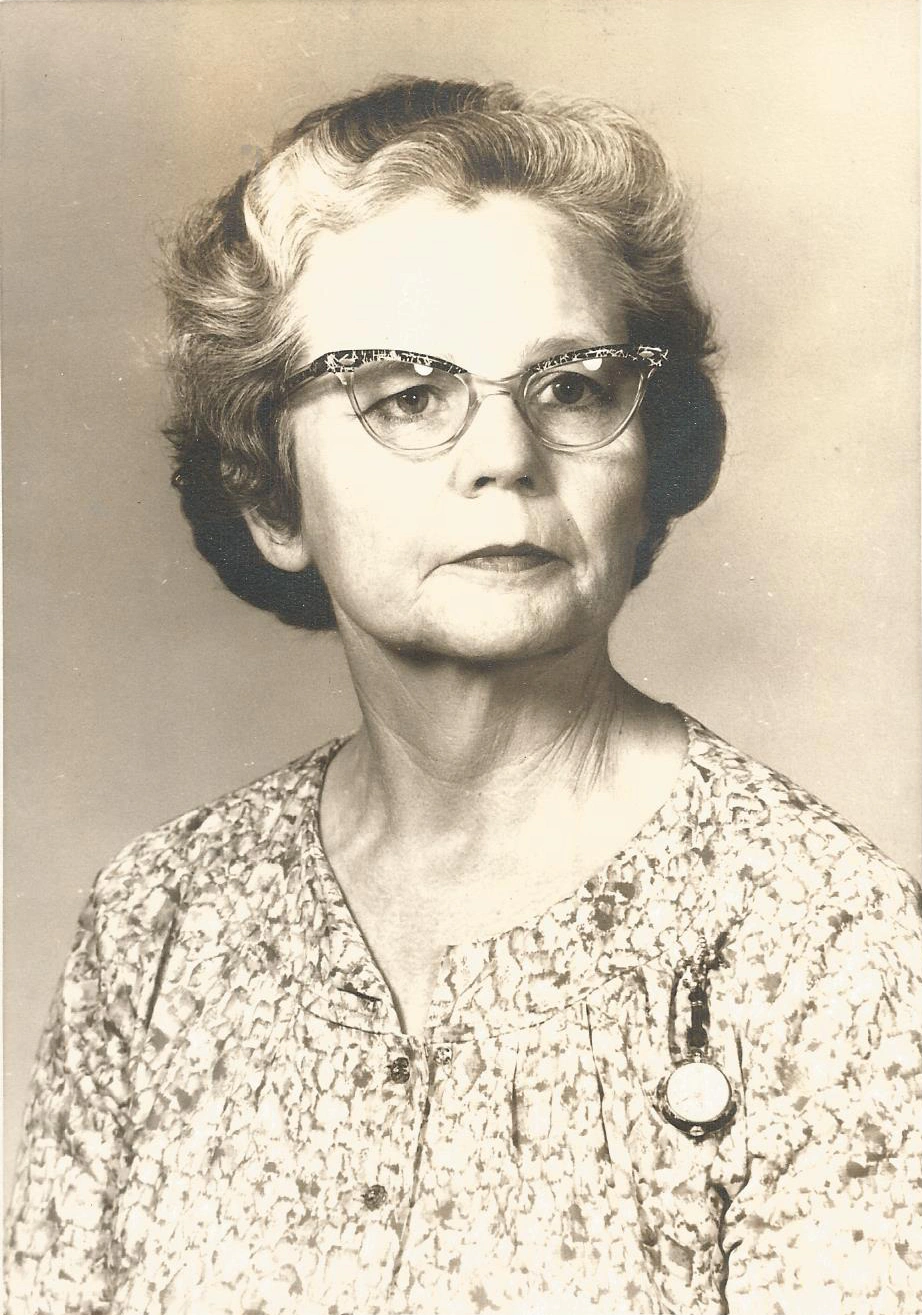
Attr: Rosalyn Waldrip Neal
| 7 Quotes | |
| Occup. | Editor |
| From | USA |
| Born | June 5, 1914 Gillsville, GA |
| Died | November 3, 1988 Gillsville, GA |
| Cause | Cancer |
| Aged | 74 years |
| Cite | |
Citation Formats
APA Style (7th ed.)
Mary h. waldrip biography, facts and quotes. (2026, March 6). FixQuotes. https://fixquotes.com/authors/mary-h-waldrip/
Chicago Style
"Mary H. Waldrip biography, facts and quotes." FixQuotes. March 6, 2026. https://fixquotes.com/authors/mary-h-waldrip/.
MLA Style (9th ed.)
"Mary H. Waldrip biography, facts and quotes." FixQuotes, 6 Mar. 2026, https://fixquotes.com/authors/mary-h-waldrip/. Accessed 27 Mar. 2026.
Early Life and Background
Mary H. Waldrip was born on June 5, 1914, in Gillsville, Georgia, a small north Georgia community whose rhythms were shaped by church life, farm labor, local trade, and the close scrutiny of neighbors who knew one another's histories. She came of age in the long shadow of World War I and during the upheavals of the Depression, years that trained many Southern women in thrift, stamina, and social intelligence. Those qualities would become the hidden machinery of her later career. Though she became known publicly as an editor, her deepest formation came in the older, less visible disciplines of rural womanhood - keeping accounts, reading character quickly, hearing the undertones in ordinary talk, and holding family and work together when both demanded more than one person could reasonably give.Her adult life was rooted in marriage, motherhood, grief, and local responsibility. She married James "Jim" Waldrip, and together they raised four children - Don, Jack, Rosalyn, and Robert - while building a newspaper life in Dawsonville, Georgia. The sharpest private wound was the death of her son Jack, killed by a bushhog at the age of twelve, a tragedy that must be placed at the center of any serious understanding of her inner life. Women of her generation were often expected to submerge such losses into duty rather than public confession, and Waldrip's later wit, moral compression, and tenderness toward family strain read differently when seen against that discipline of survival. She died on November 3, 1988, leaving behind not only relatives and readers but a local record of how one woman could turn endurance into civic work.
Education and Formative Influences
Detailed records of Waldrip's formal schooling are not widely preserved, but her writing reveals an education broader than credentials: the education of newspaper practice, Bible-steeped Southern speech, domestic bookkeeping, and the constant observation of people under pressure. She belonged to a generation in which many talented women learned by doing and then concealed the scale of that mastery behind self-deprecating humor. In a small-town paper, one had to know syntax and salesmanship, gossip and law, deadlines and mourning customs, who had moved away, who had died, who had prospered, and who needed gentleness in print. Such knowledge shaped her prose. It was plain without being simple, aphoristic without sounding literary, and sharpened by the editorial habit of making every line earn its space.Career, Major Works, and Turning Points
Waldrip's central achievement was the Dawson County Advertiser and News of Dawsonville, where she and her husband owned the paper and where she effectively became what her family rightly described as a one-woman newspaper. She was editor, bookkeeper, advertisement seller, writer, photographer, and whatever else the week required. Her comic phrase for the enterprise - "The paper was a weekly weakly" - captured both its fragility and her realism about the economics of local journalism. Yet the paper endured because she made it more than a business: it was a community ledger, a social mirror, and a moral voice. Her best-known work was the column "Kate's Korner", from which her surviving quotations are drawn. In that space she distilled the pressure of mid-century and late-century small-town life into brisk reflections that could be read as humor, counsel, or social correction. Her career unfolded not through metropolitan bylines or national syndication but through weekly repetition, the most demanding test of editorial character: to keep showing up, keep noticing, and keep speaking in a voice readers would trust.Philosophy, Style, and Themes
The governing trait of Waldrip's writing was moral clarity without pomposity. She distrusted vanity, posturing, and evasive speech, and she preferred truths that could be tested in daily conduct. “It's important that people know what you stand for. It's equally important that they know what you won't stand for”. That line is the key to her psychology as an editor: identity was not performance but boundary, not merely declared belief but practiced refusal. Small-town journalism often tempts an editor toward favoritism or timidity; Waldrip's maxim suggests a mind trying to remain socially embedded without being socially captured. Equally revealing is her comic suspicion of self-display: “When someone sings his own praises, he always gets the tune too high”. The joke is light, but the judgment is exact. She knew that ego distorts proportion, and her own style answered that danger with compression, irony, and a refusal to make herself the hero of the page.At the same time, her wit was not cold. It emerged from a woman who had lived among family burdens, generational tensions, and irreversible loss, and who understood that humor can be mercy before it is entertainment. “A laugh at your own expense costs you nothing”. That sentence reads almost like a private ethic of survival. Self-mockery, for Waldrip, was not humiliation but perspective - a way to shrink bitterness before bitterness enlarged itself. Her column returned often to domestic life, aging, memory, and the difficult middle passages of adulthood because those were the zones where character was most honestly exposed. She wrote as someone who knew that people are rarely at their best when they are most tired, and who believed the task of a local editor was not simply to report a town to itself but to help it live with itself.
Legacy and Influence
Mary H. Waldrip belongs to the undervalued tradition of American local editors whose influence was intimate rather than famous. She preserved the civic tissue of Dawson County by doing nearly every job required to keep a paper alive, and she transformed the humble newspaper column into a durable form of regional wisdom. Her legacy rests in three areas: in family memory, where her labor and losses remain vivid; in Georgia newspaper history, where she stands as an example of the female editor whose authority was earned through competence rather than title alone; and in her quotations, which survive because they condensed experience into memorable speech. They came from "Kate's Korner", but they also came from a life spent watching people closely, suffering without spectacle, and meeting each week with another issue to assemble. In that sense, her enduring influence is larger than the archive she left: she showed that local journalism, at its best, is an act of character.Our collection contains 7 quotes written by Mary, under the main topics: Witty One-Liners - Parenting - Honesty & Integrity - Humility - Grandparents.