
Phyllis Diller Biography Quotes 32 Report mistakes
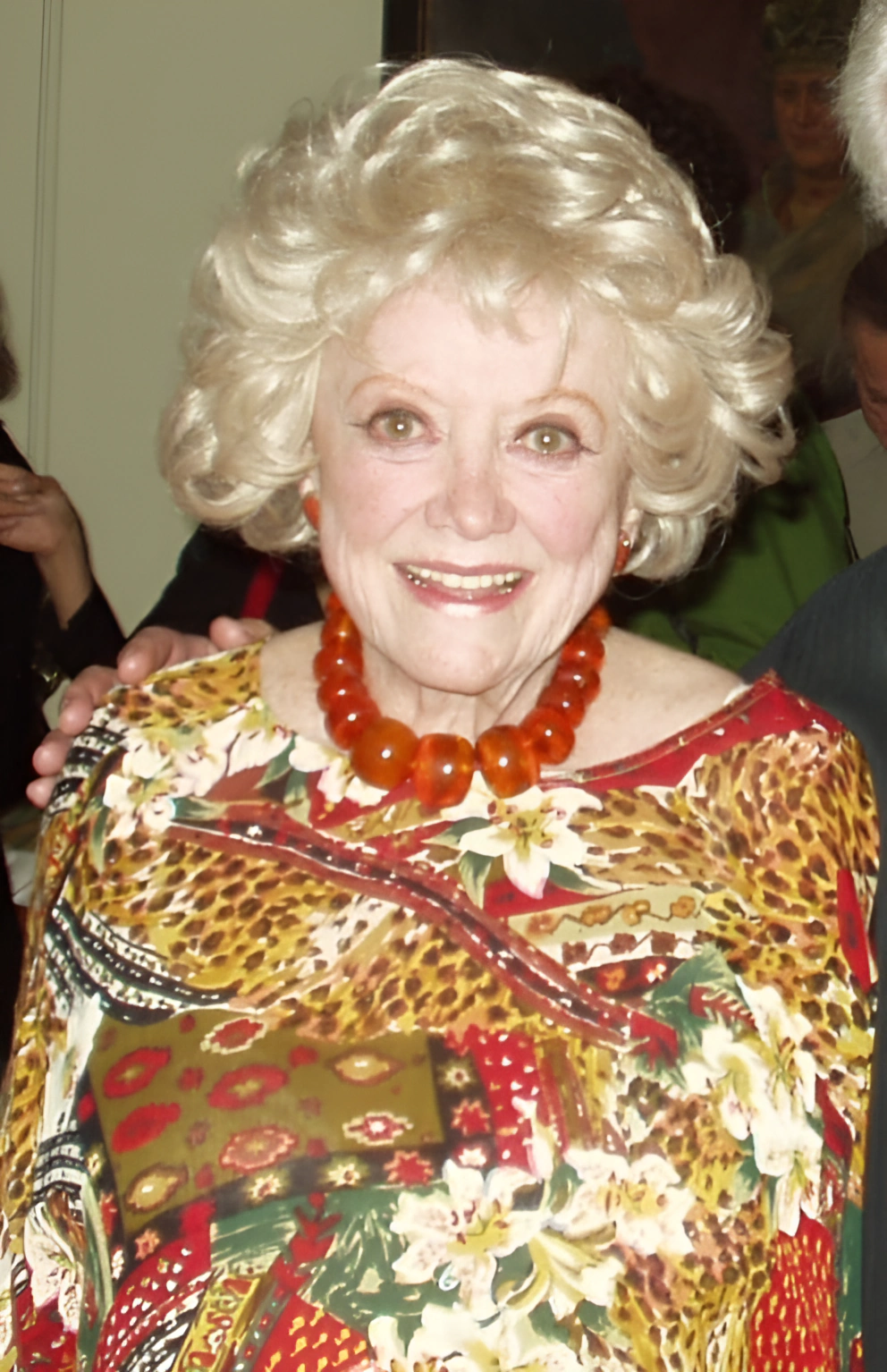
| 32 Quotes | |
| Occup. | Comedian |
| From | USA |
| Born | July 17, 1917 |
| Age | 108 years |
| Cite | |
Citation Formats
APA Style (7th ed.)
Phyllis diller biography, facts and quotes. (2026, February 11). FixQuotes. https://fixquotes.com/authors/phyllis-diller/
Chicago Style
"Phyllis Diller biography, facts and quotes." FixQuotes. February 11, 2026. https://fixquotes.com/authors/phyllis-diller/.
MLA Style (9th ed.)
"Phyllis Diller biography, facts and quotes." FixQuotes, 11 Feb. 2026, https://fixquotes.com/authors/phyllis-diller/. Accessed 6 Mar. 2026.
Early Life and Background
Phyllis Ada Driver was born on July 17, 1917, in Lima, Ohio, into a Midwestern, churchgoing world shaped by the aftershocks of World War I and the coming shocks of the Great Depression. Her father, Perry Marcus Driver, was an insurance agent; her mother, Frances Ada (Riddle) Driver, prized respectability and music. From early on, Diller carried a double awareness that would later become her engine: the desire to be liked and the suspicion that polite society was a stage set, brittle under pressure. The contrast between small-town decorum and the private intensity of ambition formed a lifelong tension she would turn into punch lines.As a girl she played piano seriously and read widely, but she was also observant about domestic performance - the rituals of grooming, courtship, and "proper" womanhood. That scrutiny deepened as national culture started advertising an idealized home-front femininity. Diller would later attack that ideal not with manifesto but with a persona: an unruly housewife who refused the soft-focus lie. It was a mask that protected her vulnerability while letting her tell the truth about money, marriage, aging, and fear.
Education and Formative Influences
She studied at Sherwood Music Conservatory in Chicago and later attended Bluffton College in Ohio, training that gave her discipline, timing, and an ear for phrasing. In 1939 she married Sherwood Diller; they raised six children (one died in infancy), and she lived the postwar domestic script in California even as she chafed against it. The era of suburban expansion and rigid gender roles became her raw material, and the frustrations of a bright, underused mind sharpened her appetite for public performance.Career, Major Works, and Turning Points
Diller began performing in the 1950s, first in local clubs and at the Purple Onion in San Francisco, then detonated nationally with a 1957 appearance on NBC's The Tonight Show. Her wild hair, sequined dresses, cigarette holder, and laugh-at-the-wreckage bravado made her a headliner in a business that treated female comics as novelties. Albums like Are You Phyllis Diller? (1961) and a run of TV specials widened her reach; she also appeared in films such as Splendor in the Grass (1961) and, later, voiced the Queen in A Bug's Life (1998). A major turning point was her decision to center "Fang" - the unseen husband she mocked - and her own supposed domestic incompetence, a strategic inversion that let her dominate the room without asking permission.Philosophy, Style, and Themes
Diller's comedy was built from paradox: she presented herself as a disaster to claim authority. In a culture selling women the fantasy of effortless home management, she mined the gap between ideal and reality. “Cleaning your house while your kids are still growing up is like shoveling the walk before it stops snowing”. The line is funny because it is true, but it is also psychological self-defense - a refusal to let endless labor become a moral verdict. In her act, the home was not a sanctuary; it was a pressure cooker where love, resentment, and exhaustion mingled, and laughter became a pressure valve.Her one-liners functioned like small acts of rebellion against propriety, often disguising tenderness as brutality. “Housework can't kill you, but why take a chance?” The joke signals more than laziness; it exposes how the supposedly "safe" sphere can swallow a life, and it gives permission to imagine escape. Beneath the clowning, she cultivated a stoic optimism that turned survival into style: “A smile is a curve that sets everything straight”. Diller was not naive about pain; she simply insisted that attitude could be weaponized, that a woman could narrate her own humiliations before anyone else could, and thereby convert shame into applause.
Legacy and Influence
By the time she scaled back touring in the 1980s and 1990s, Diller had already rewritten what an American woman onstage could sound like: loud, unpretty, relentless, and in control. She influenced generations of comics who built careers on persona-driven candor, from boundary-pushing club performers to mainstream television stars, and she helped normalize the idea that domestic life was legitimate comedic subject matter rather than a private sentence. When she died in Los Angeles on August 20, 2012, she left more than catchphrases - she left a template for turning constraint into craft, and for using laughter to negotiate power in public.Our collection contains 32 quotes written by Phyllis, under the main topics: Witty One-Liners - Sarcastic - Parenting - Aging - Anger.
Source / external links