
Phyllis Diller Biography Quotes 32 Report mistakes
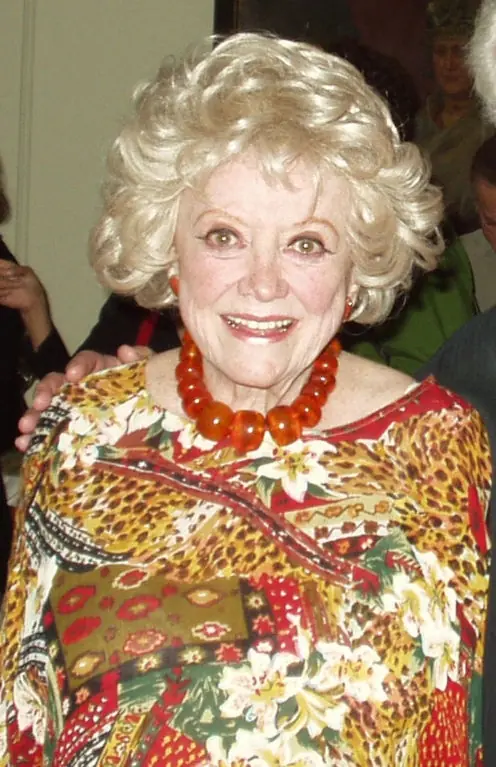
| 32 Quotes | |
| Occup. | Comedian |
| From | USA |
| Born | July 17, 1917 |
| Age | 108 years |
Phyllis Diller was born Phyllis Ada Driver in 1917 in Lima, Ohio, and grew up in the Midwest at a time when women entertainers were rarely encouraged to take center stage. Music was her first love; she studied piano seriously as a girl and kept that discipline throughout her life. After marrying and moving west, she settled in the San Francisco Bay Area. There she worked various jobs while raising a family, developing a quick wit, a sharp eye for the absurdities of domestic life, and a determination to turn that material into something new.
Entry into Comedy
Her entry into stand-up came late by show business standards. In 1955, in her late thirties, she stepped onto the stage at The Purple Onion in San Francisco. The set was a revelation. Diller did not pretend to be glamorous or cool. She attacked the stage with a warbling cackle, a cigarette holder, and a truth-teller's willingness to say what many women had been thinking: that the ideals of perfect housewifery, perfect beauty, and perfect composure were impossible and, frankly, funny. Audiences responded, and a two-week booking stretched into a phenomenon. It became clear that she had found a voice no one else had dared to claim.
Breakthrough and National Exposure
The momentum from The Purple Onion carried her to national television in the 1960s, and she became a frequent guest on The Ed Sullivan Show and a favorite on The Tonight Show, where Johnny Carson championed her timing and fearlessness. Bob Hope, recognizing a kindred command of comic rhythm, brought her onto his television specials and cast her in a string of films. Together they also entertained American service members on USO tours, where Diller's brassy bravado cut through the noise and reached audiences in far-flung bases. Her association with Hope put her before millions, turning a nightclub revelation into a household name.
Screen and Stage
Diller headlined an ABC sitcom in 1966, The Pruitts of Southampton, later retitled The Phyllis Diller Show. Though short-lived, it showcased her persona: a woman out of step with the trappings of wealth but infinitely resourceful with wisecracks. She became a staple of variety television and a quick-witted presence on the Dean Martin roasts, where her volleys of one-liners kept pace with veteran comics. She worked steadily in film and television for decades, later reaching a new generation as a voice actor, including as the queen in the animated feature A Bug's Life in 1998.
Comedy Persona and Craft
Diller's stage persona was meticulously constructed: the fright-wig hair, the kaleidoscopic outfits, the elbow-length gloves, and the cigarette holder were not disguises so much as amplifiers. She turned supposed shortcomings into ammunition, telling jokes about her looks, her cooking, and her fictional, perpetually beleaguered husband, Fang. The laugh, a staccato cackle, became a second punch line that let the audience in on the fun. Behind the whirlwind, she was a craftswoman. She built a vast card catalog of gags organized by topic, a private archive that reflected the obsessive labor behind her apparent spontaneity. In an era when female comedians were expected to be demure or merely decorative, Diller put the absurdity of those expectations center stage and detonated them.
Collaborations and Community
Diller thrived among and alongside the biggest figures in mid-century American comedy. With Bob Hope she refined a high-velocity rapport that translated to TV specials and feature films. On television with Ed Sullivan and Johnny Carson she delivered tight, honed sets that influenced the pacing of later stand-up appearances. On the roasts associated with Dean Martin she battled in the equal-opportunity arena of insult comedy, proving she could spar with anyone. Younger performers watched closely. Joan Rivers, among others, publicly credited Diller for showing that a woman could seize the microphone, write her own material, and headline on her own terms. Her example helped clear a path for the next generations of stand-ups.
Writing, Records, and Other Pursuits
Beyond the stage, Diller translated her voice to print and vinyl. She released comedy albums that captured the cadence of her club work, preserving the rhythm of her short-form jokes. She also wrote books that extended her comic persona to the page, including humorous takes on domestic life and aging. Much later, she published a frank memoir, Like a Lampshade in a Whorehouse, reflecting on the hurdles of breaking through in a male-dominated field, the discipline that underpinned her career, and the personal costs and satisfactions of an unconventional life. A serious pianist since childhood, she occasionally took that talent public in comic-tinged concert appearances, a reminder that her timing and touch were as musical as they were comedic.
Later Years and Legacy
Diller continued to work on television and in clubs well into her eighties, gradually scaling back live appearances while lending her unmistakable voice to animated series and specials. She painted prolifically and maintained a striking presence in Los Angeles, her home filled with art, color, and artifacts of a life lived onstage. Even as trends in comedy shifted, her influence remained visible in the self-deprecation and persona-driven sets of many performers. She had been one of the first women in mainstream American stand-up to become a star on her own name, and that fact reoriented what was possible for those who followed.
Passing and Enduring Impact
Phyllis Diller died in Los Angeles in 2012 at the age of 95. Tributes from peers and younger comedians alike emphasized not only her achievements but her generosity, professionalism, and ferocious work ethic. She had shown that vulnerability could be power when coupled with craft, and that a woman could stand before a crowd, confess her fears and foibles, and turn them into laughter strong enough to shake a room. Her cackle, costumes, and Fang jokes remain iconic. More profound is the door she opened: a stage that began to look bigger, braver, and more welcoming because she had dared to stride onto it and stay.
Our collection contains 32 quotes who is written by Phyllis, under the main topics: Witty One-Liners - Parenting - Sarcastic - Aging - Anger.
Source / external links