
Randy Newman Biography Quotes 8 Report mistakes
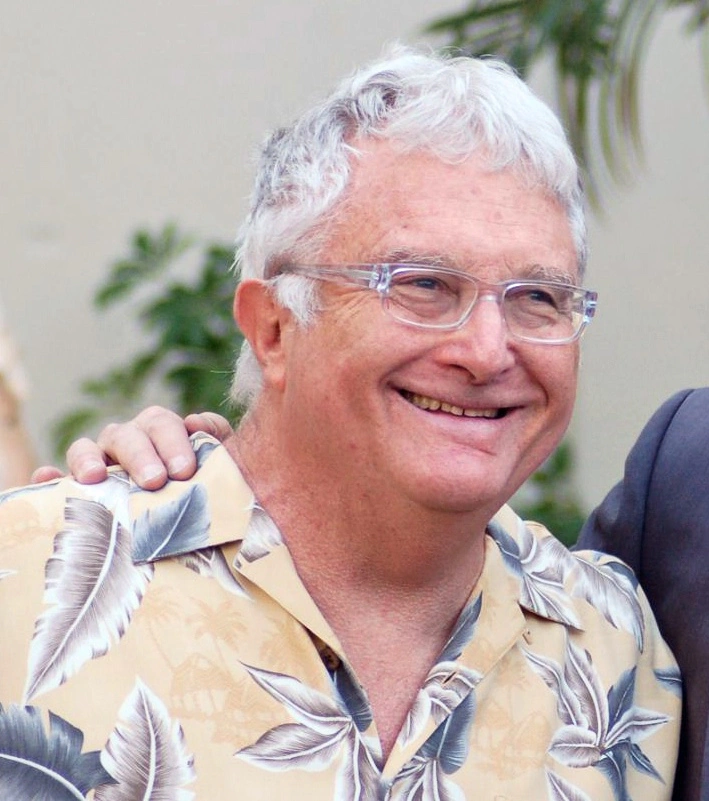
Attr: Angela George, CC BY-SA 3.0
| 8 Quotes | |
| Born as | Randall Stuart Newman |
| Occup. | Comedian |
| From | USA |
| Born | November 28, 1943 Los Angeles, California, USA |
| Age | 82 years |
| Cite | |
Citation Formats
APA Style (7th ed.)
Randy newman biography, facts and quotes. (2026, February 11). FixQuotes. https://fixquotes.com/authors/randy-newman/
Chicago Style
"Randy Newman biography, facts and quotes." FixQuotes. February 11, 2026. https://fixquotes.com/authors/randy-newman/.
MLA Style (9th ed.)
"Randy Newman biography, facts and quotes." FixQuotes, 11 Feb. 2026, https://fixquotes.com/authors/randy-newman/. Accessed 5 Mar. 2026.
Early Life and Background
Randall Stuart "Randy" Newman was born on November 28, 1943, in Los Angeles, California, into a family where music was not an extracurricular but an inheritance. The Newmans were a Hollywood composing dynasty: uncles Alfred, Lionel, and Emil Newman wrote and conducted for major studios, shaping the sound of American film in the mid-20th century. Growing up in that orbit meant Randy absorbed orchestration, professional discipline, and the quiet competitiveness of the business long before he had a public identity as a singer, satirist, or comedian.Los Angeles in the 1940s and 1950s was both a company town and a laboratory for mass culture. Newman came of age amid postwar optimism, televised entertainment, and the early rumble of civil rights and Cold War anxiety - conditions that later fed his peculiar mix of tenderness and bite. Even when he played the role of the wisecracking observer, his work carried the marks of a child raised around adults who made emotion sound inevitable, then had to deliver it on deadline.
Education and Formative Influences
Newman attended University High School in West Los Angeles and studied briefly at UCLA, but his real education was apprenticeship: songwriting, harmony, and narrative craft learned at the piano and in studios rather than in lecture halls. As a teenager he wrote songs that brought him to the attention of publishers, and he began working in the Brill Building-style ecosystem relocated to Los Angeles - writing for others, learning how a melody sells a character, and how a lyric can turn on a single cynical detail. He was influenced by Tin Pan Alley economy, by Ray Charles and Southern gospel cadences, and by the emerging authorial pop of the 1960s, yet he kept the older Hollywood sense that music could be a scene, not just a hook.Career, Major Works, and Turning Points
Newman signed with Reprise and emerged as an idiosyncratic solo artist with Randy Newman (1968), then built his reputation with 12 Songs (1970), Sail Away (1972), and Good Old Boys (1974), albums that used seemingly genial piano-pop to stage uncomfortable American monologues. His songs were covered early by major artists - "Mama Told Me Not to Come" became a hit for Three Dog Night - but his own voice, nasal and conversational, became part of the point: the narrator was never fully trustworthy. In the 1980s and after, he expanded into film scoring with The Natural (1984) and later defined modern animated musical storytelling through Pixar and Disney, including "You've Got a Friend in Me" from Toy Story (1995). Across decades he alternated between songwriter as satirist and composer as classicist, proving the same mind could mock American myth and also supply its most comforting lullabies.Philosophy, Style, and Themes
Newman is often labeled a comedian because he weaponizes timing, understatement, and the guilty laugh. But the deeper engine is moral ventriloquism: he writes from inside the people he distrusts, then lets them hang themselves with their own logic. That method requires both empathy and a cold ear for self-deception. It also suits an era when America sold itself as innocent while practicing exclusion - a tension he dramatized by pairing warm chord changes with narrators who brag, rationalize, or plead. The humor lands because the music sounds like it should be safe.His public persona reinforces the private psychology: self-effacing, alert to social awkwardness, and suspicious of purity. “I once had dinner with Madonna and I wasn't nervous but within about a minute I found myself talking about underwear”. That sentence is a comic anecdote, but it also reveals his recurring theme - status collapses into embarrassment, and the human animal keeps talking anyway. He treats institutions the same way, puncturing grand narratives: “I like the idea of taking a true classic written by a true genius and destroying it essentially! I like the idea of bringing it down to earth a bit - and even a bit lower than that”. Even his origin story as a performer is framed as accountability rather than ego: “I started recording because I was always complaining about the records that I was getting of my songs. At least if I did them and messed them up, I wouldn't have anyone else to blame”. The through-line is control as a defense against disappointment - a craftsman who jokes because he is serious about getting it right.
Legacy and Influence
Newman endures as one of the great American character writers: a composer who smuggled social criticism into pop forms and then, almost paradoxically, became a trusted voice for family films. His influence runs through singer-songwriters who use unreliable narrators, through comedians who build songs like short stories, and through film composers who blend classical orchestration with vernacular clarity. By making the listener complicit - laughing first, thinking second - he expanded what popular songwriting could say about power, prejudice, desire, and the stories a nation tells itself to sleep.Our collection contains 8 quotes written by Randy, under the main topics: Witty One-Liners - Music - Science - Health - Nostalgia.
Other people related to Randy: Joe Cocker (Musician), Steven Bochco (Producer), Greil Marcus (Author)
Source / external links