
Richard Belzer Biography Quotes 4 Report mistakes
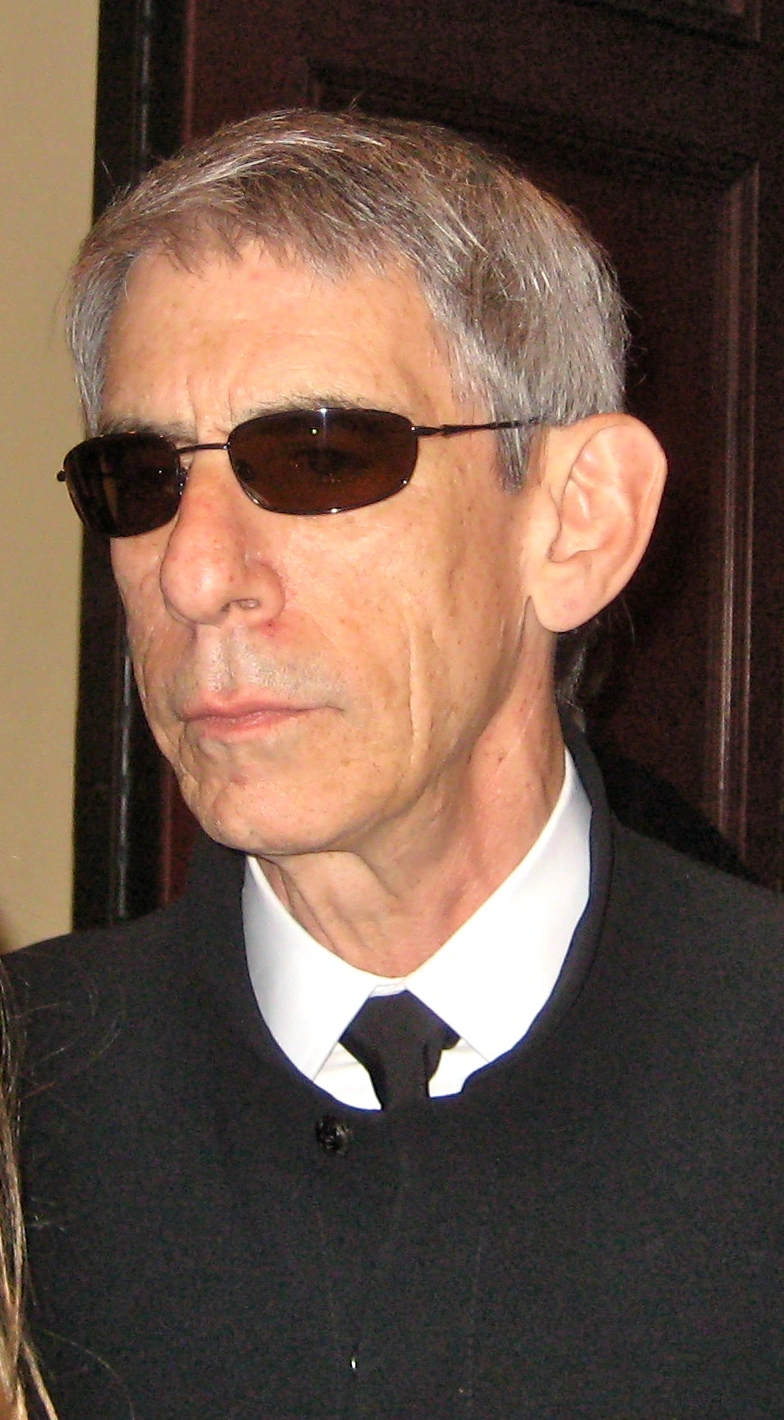
Attr: Jay Tamboli, CC BY 2.0
| 4 Quotes | |
| Occup. | Comedian |
| From | USA |
| Born | August 4, 1944 Bridgeport, Connecticut |
| Age | 81 years |
| Cite | |
Citation Formats
APA Style (7th ed.)
Richard belzer biography, facts and quotes. (2026, February 27). FixQuotes. https://fixquotes.com/authors/richard-belzer/
Chicago Style
"Richard Belzer biography, facts and quotes." FixQuotes. February 27, 2026. https://fixquotes.com/authors/richard-belzer/.
MLA Style (9th ed.)
"Richard Belzer biography, facts and quotes." FixQuotes, 27 Feb. 2026, https://fixquotes.com/authors/richard-belzer/. Accessed 28 Mar. 2026.
Early Life and Background
Richard Jay Belzer was born on August 4, 1944, in Bridgeport, Connecticut, into a postwar America that prized conformity while simmering with Cold War anxiety and, soon, cultural revolt. He grew up in a Jewish family marked by strain and loss, experiences he later transmuted into the defensive humor and investigative suspicion that became his signature. Long before television made him familiar, Belzer learned how quickly a room could turn - and how a joke, delivered deadpan, could restore a sense of control.
His adolescence was shaped by grief and a sharpened mistrust of official stories. The suicide of his father left a lasting psychological groove: a sense that private pain hides behind public normalcy, and that authority does not automatically deserve reverence. Belzer developed the stance that would define him - a detached observer with a scowl, using laughter less as escape than as a probe. That posture fit an era when institutions were increasingly questioned, from Vietnam to Watergate, and it positioned him to become a comedian who sounded like a skeptic doing field notes.
Education and Formative Influences
Belzer attended Dean College in Massachusetts and later Arizona State University, experiences that exposed him to the widening split between establishment expectations and countercultural reality. He drifted through jobs and scenes, absorbing the language of DJs, hustlers, and late-night regulars, and he began to see comedy as a practical craft rather than a romantic calling: a way to survive, to be heard, and to translate irritation into performance. By the time he moved into stand-up, he had already trained himself to read power dynamics and to puncture pomposity with a single line.
Career, Major Works, and Turning Points
Belzer emerged in the 1970s comedy ecosystem of clubs and radio, then gained broader visibility in the early MTV era as the sardonic host of "Hot Properties" and, most famously, as a regular on "Late Night with David Letterman", where his streetwise, conspiratorial riffing fit the show's ironic temperament. A notorious turning point came in 1982 on "The Mike Douglas Show", when a staged physical bit with wrestler Hulk Hogan went wrong and left Belzer briefly unconscious - a bizarre collision of entertainment and violence that reinforced his lifelong interest in how performances become real. His defining second act arrived in 1993 with Detective John Munch on "Homicide: Life on the Street", a role he carried into "Law and Order: Special Victims Unit" from 1999 to 2016, becoming one of television's most durable character presences. Alongside acting, he wrote and promoted conspiracy-themed books such as "UFOs, JFK, and Elvis", and he performed stand-up that treated news, policing, and paranoia as raw material rather than taboo.
Philosophy, Style, and Themes
Belzer's comedy was built on the idea that the punchline is not the endpoint - it is the doorway to doubt. He framed the comic as a provocateur with civic duties, insisting, “The secret to comedy is you want to make them laugh, and then you want to make them think”. That principle explains the severe economy of his delivery: the flattened affect, the skeptical eyebrow, the way he let audiences complete the implication. Underneath was a man who used jokes to pressure-test consensus, especially when the consensus came from officials, experts, or media scripts.
His mistrust of credentialed certainty also shaped his psychology: Belzer did not merely resent elites; he suspected the mind's appetite for status and self-deception. “The definition of an intellectual is someone who has been educated beyond his or her intelligence”. The line is funny because it is mean, but it is also confessional: he positioned himself as a working comic who had watched smart people rationalize foolishness, and he refused to sanctify abstraction. Even his long-running conspiratorial interests read less like a single doctrine than a temperament - a reflex to ask who benefits, who edits the story, and why people prefer comforting narratives to messy probabilities.
Legacy and Influence
Belzer's lasting achievement is that he turned a stand-up sensibility into a dramatic instrument without losing its bite. Detective Munch - weary, witty, half-cynical and half-compassionate - became a cultural archetype for the late-20th-century skeptic, and Belzer's cross-series appearances helped define modern TV's shared-universe playbook long before it became a brand strategy. As a comedian, he modeled a way to be political without preaching, paranoid without being incoherent, and funny without sounding eager for approval. His influence persists in the deadpan, truth-testing comic voice that treats institutions as material and laughter as a tool for thinking.
Our collection contains 4 quotes written by Richard, under the main topics: Witty One-Liners - Music - Freedom.
Other people related to Richard: Yaphet Kotto (Actor), Mariska Hargitay (Actress)
Source / external links