
Rita Rudner Biography Quotes 35 Report mistakes
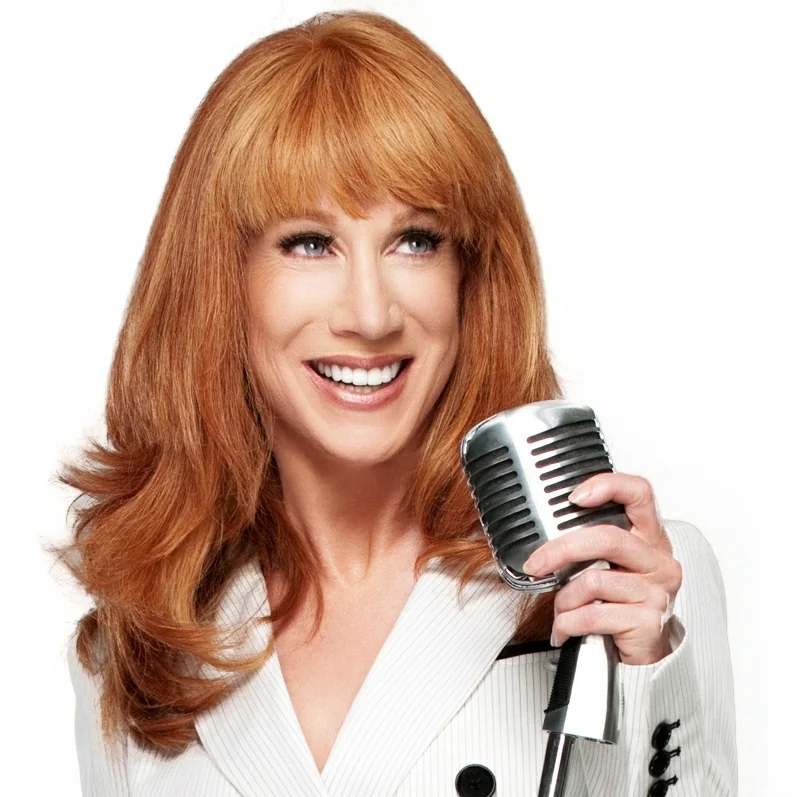
| 35 Quotes | |
| Occup. | Comedian |
| From | USA |
| Born | September 17, 1955 |
| Age | 70 years |
| Cite | |
Citation Formats
APA Style (7th ed.)
Rita rudner biography, facts and quotes. (2026, February 11). FixQuotes. https://fixquotes.com/authors/rita-rudner/
Chicago Style
"Rita Rudner biography, facts and quotes." FixQuotes. February 11, 2026. https://fixquotes.com/authors/rita-rudner/.
MLA Style (9th ed.)
"Rita Rudner biography, facts and quotes." FixQuotes, 11 Feb. 2026, https://fixquotes.com/authors/rita-rudner/. Accessed 28 Mar. 2026.
Early Life and Background
Rita Rudner was born on September 17, 1955, in Miami, Florida, and grew up amid the postwar Sun Belt boom, a world of new suburbs, television variety shows, and a fast-expanding middle class that prized polish while quietly tolerating eccentricity. From early on she learned the power of appearing composed while thinking sideways - a duality that later became her signature comic tension: the elegantly dressed observer who lets the audience hear the private, slightly panicked subtext.Family stories and the domestic theater of everyday life formed her first stage. Rudner has often framed home as both sanctuary and pressure cooker: affection laced with sharp timing, love expressed through rituals, and a constant awareness of how women are expected to behave in public versus what they privately fear, desire, or resent. That early attention to manners - and to the chaos beneath them - gave her material that would remain durable long after specific trends faded.
Education and Formative Influences
She trained as a dancer and moved as a teenager to New York City, entering the professional performance pipeline at a time when Broadway and touring musicals still functioned as rigorous apprenticeships. Rudner worked as a dancer in productions including "Grease", absorbing stagecraft, timing, and the discipline of repetition - lessons that later translated into the meticulously sculpted cadence of her stand-up. New York in the 1970s also offered a contrasting education: club culture, second-wave feminism, and a comedy scene where personal confession and observational wit were becoming a new vernacular.Career, Major Works, and Turning Points
Rudner shifted from dance to stand-up in the early 1980s, finding her breakthrough through television appearances and club work, then achieving mass visibility with "HBO One Night Stand" (1988). She built a distinct persona - glamorous, seemingly proper, and comically anxious - and carried it into books such as "Naked Beneath My Clothes" (2002) and later into long-running Las Vegas success, including her residency and stage projects with her husband, British writer-producer Martin Bergman, whom she married in 1988. Las Vegas proved a key turning point: rather than chasing the treadmill of constant touring, she refined a show as a craft object, polishing jokes like music cues, and became one of the citys emblematic headliners.Philosophy, Style, and Themes
Rudners comedy is built on a precise contradiction: the voice is soft, the logic is sharp, and the punchline often lands as a polite sentence that quietly detonates. She mines courtship, marriage, family, self-image, and the small humiliations of daily life, treating them as evidence that civilization is a thin fabric stretched over instinct. When she observes, “Men who have a pierced ear are better prepared for marriage - they've experienced pain and bought jewelry”. , the joke is not only about gender but about the transaction beneath romance - the way commitment is sold as sentiment while functioning like proof of endurance.Her inner life onstage is the engine: a mind that rehearses consequences, audits motives, and distrusts appearances - including her own. “Before I met my husband, I'd never fallen in love. I'd stepped in it a few times”. captures her recurring psychological stance: intimacy as both longing and hazard, with desire reframed as an accident that leaves a stain. Even her family humor works as self-defense, turning dread into a manageable anecdote; “Neurotics build castles in the air, psychotics live in them. My mother cleans them”. uses domestic imagery to tame the frightening spectrum of human irrationality, placing the mother figure as a brisk custodian of everyone elses mental mess. Across these themes, Rudner favors misdirection, understatement, and a carefully controlled vulnerability that allows audiences to recognize their own anxious thoughts without being asked to confess them aloud.
Legacy and Influence
Rita Rudner helped define a late-20th-century template for mainstream stand-up that was neither abrasive nor bland: observational comedy delivered with theatrical poise, psychological bite, and an exacting ear for rhythm. She broadened the space for female comics who did not perform toughness as armor, proving that elegance could carry subversion and that a whisper could land like a gavel. Her enduring influence is visible in comedians who use persona as structure - the controlled exterior revealing the unruly interior - and in Las Vegas itself, where her long-term success signaled that stand-up could be curated like a residency show without losing the intimacy of a club.Our collection contains 35 quotes written by Rita, under the main topics: Witty One-Liners - Parenting - Marriage - Heartbreak - Husband & Wife.
Source / external links