
Ron White Biography Quotes 20 Report mistakes
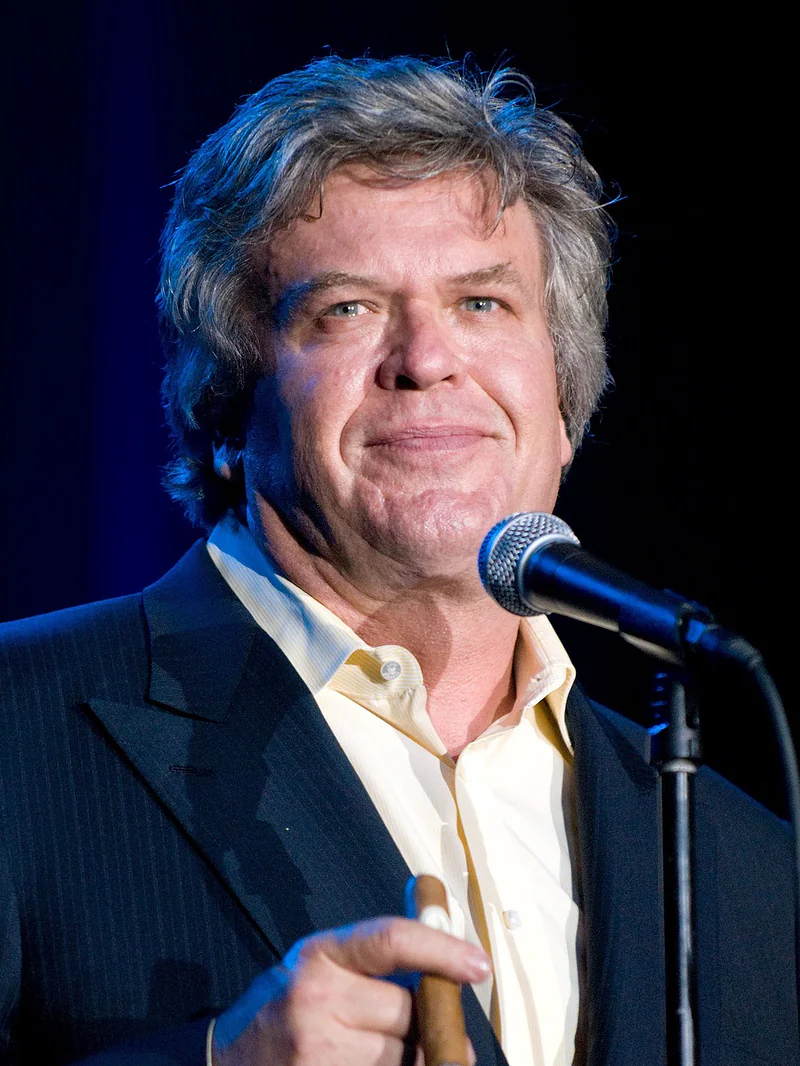
Attr: IMDb
| 20 Quotes | |
| Occup. | Comedian |
| From | USA |
| Born | December 18, 1956 Fritch, Texas, United States |
| Age | 69 years |
| Cite | |
Citation Formats
APA Style (7th ed.)
Ron white biography, facts and quotes. (2026, February 11). FixQuotes. https://fixquotes.com/authors/ron-white/
Chicago Style
"Ron White biography, facts and quotes." FixQuotes. February 11, 2026. https://fixquotes.com/authors/ron-white/.
MLA Style (9th ed.)
"Ron White biography, facts and quotes." FixQuotes, 11 Feb. 2026, https://fixquotes.com/authors/ron-white/. Accessed 12 Feb. 2026.
Early Life and Background
Ron White was born on December 18, 1956, in Fritch, Texas, a Panhandle town shaped by oil, wind, and the quiet pressure to be tough. His childhood unfolded in the long shadow of postwar American confidence giving way to Vietnam-era doubt and economic churn - an atmosphere that rewarded self-reliance but left little room for sentimentality. White absorbed the cadence of small-town talk: plainspoken, competitive, and quick to puncture pretension with a punch line.That early social training became his emotional instrument. White learned to read a room the way Texans read weather - scanning for the shift, the threat, the joke that can defuse it. Long before fame, he was building the persona that later audiences would mistake for mere swagger: a man who could turn embarrassment into story and moral failure into comedy, not to excuse it, but to seize control of it. His humor, even at its loosest, carries a Panhandle instinct for survival - say it first, laugh first, and you cannot be shamed by it.
Education and Formative Influences
White did not follow a conventional academic path; his most formative schooling came from leaving home early and joining the United States Navy, where he served during the 1970s. Military life sharpened his eye for hierarchy and hypocrisy, and it gave him a lifelong interest in rules - especially the gap between rules on paper and behavior in practice. The era's barroom culture, the rhythms of travel, and the discipline-and-boredom cycle of service helped shape a storyteller who could make a long narrative feel like a confession told to strangers who immediately become accomplices.Career, Major Works, and Turning Points
After the Navy, White worked a range of jobs while pursuing stand-up, grinding through clubs where persona matters as much as material and where a comic learns to make silence feel dangerous. His major turning point came as part of the Blue Collar Comedy phenomenon, touring and appearing alongside Jeff Foxworthy, Bill Engvall, and Larry the Cable Guy, which expanded his audience far beyond the comedy-club circuit. White differentiated himself within that world by leaning into a more roguish, adult raconteur style, then built a substantial solo career through albums, specials, and relentless touring - using long-form stories, courtroom and travel anecdotes, and a carefully calibrated image (cigar, drink, tailored suit) that communicated both indulgence and control.Philosophy, Style, and Themes
White's comedy is built on the idea that personality is fate: if you are wired to speak, you will talk yourself into trouble and then have to narrate your way back out. His best stories turn impulse into structure - a shaggy-dog legal misunderstanding becomes a meditation on pride; a night out becomes a case study in how men perform masculinity when they feel cornered. Beneath the bravado is an artist who treats candor as both weapon and wound dressing, confessing not to cleanse himself but to own the narrative. "I had the right to remain silent... but I didn't have the ability". The line functions like a mission statement: he is compelled to convert risk into laughter, even when restraint would be wiser.His persona also dramatizes appetite - for pleasure, status, and the rituals of leisure - while refusing the polite hypocrisy that pretends appetite is not there. "I've got a great cigar collection - it's actually not a collection, because that would imply I wasn't going to smoke every last one of 'em". That joke is not only about cigars; it is about a worldview in which the point of having is using, the point of desire is indulging, and the point of telling the truth is refusing to launder it into respectability. Yet White has increasingly framed indulgence as a double-edged identity, admitting the cost of a life organized around vices and the performance of ease. "There have been times in my life that I've had a ton of vices, and my demons have run amok for years and years and years". The tension between control and compulsion becomes the engine of his work: the audience laughs at excess, then recognizes the loneliness inside it.
Legacy and Influence
White endures as a key figure in turn-of-the-century American stand-up: a bridge between club-era storytelling and arena-scale comedy branding, and a reminder that "blue collar" was never a single voice. His influence is visible in the wave of raconteur comics who foreground lived experience, legal mishaps, drinking culture, and regional identity while maintaining sharp narrative architecture. Beyond the jokes, his lasting contribution is psychological: he made self-incrimination into a form of authority, proving that a comic can admit weakness without surrendering the room - and can turn a life of impulse into an art of precision.Our collection contains 20 quotes written by Ron, under the main topics: Witty One-Liners - Funny - Dark Humor - Writing - Live in the Moment.