
Samuel Chase Biography Quotes 4 Report mistakes
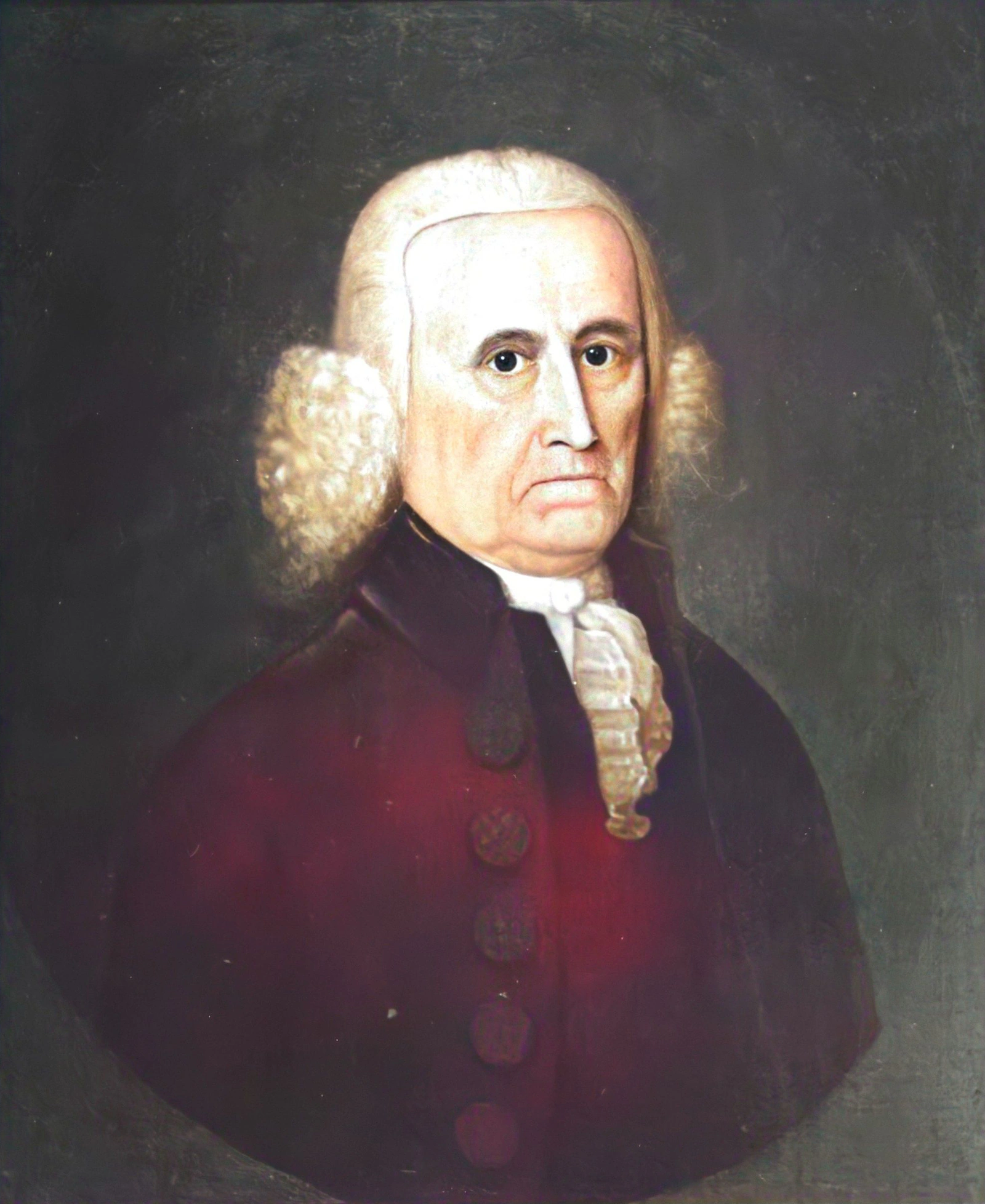
| 4 Quotes | |
| Occup. | Judge |
| From | USA |
| Born | April 17, 1741 Somerset County, Maryland, USA |
| Died | June 19, 1811 Baltimore, Maryland, USA |
| Aged | 70 years |
| Cite | |
Citation Formats
APA Style (7th ed.)
Samuel chase biography, facts and quotes. (2026, February 11). FixQuotes. https://fixquotes.com/authors/samuel-chase/
Chicago Style
"Samuel Chase biography, facts and quotes." FixQuotes. February 11, 2026. https://fixquotes.com/authors/samuel-chase/.
MLA Style (9th ed.)
"Samuel Chase biography, facts and quotes." FixQuotes, 11 Feb. 2026, https://fixquotes.com/authors/samuel-chase/. Accessed 28 Mar. 2026.
Early Life and Background
Samuel Chase was born April 17, 1741, in Princess Anne, Maryland, a tidewater society where the Anglican establishment, plantation wealth, and county courts formed a single ruling architecture. His father, an Anglican clergyman, gave him a household steeped in scripture, classical moralizing, and the daily practicalities of parish leadership - an upbringing that made public order feel inseparable from religion and law. Early Maryland politics also taught him that legitimacy was contested: proprietary authority, popular assemblies, and local magistrates constantly negotiated power, and the young Chase absorbed the lesson that sharp advocacy could move institutions.In the early 1760s he relocated to Annapolis, the colony's political and legal center, and built a reputation for ferocious energy at the bar and in tavern-and-assembly debate. Chase's temperament - combative, witty, and quick to suspect opponents of bad faith - made him a natural partisan in an era when imperial policy and local grievance were fusing into ideology. Friends and enemies alike learned that he could be charming in private but relentless in public, driven by an almost physical need to dominate an argument and to expose what he saw as corruption.
Education and Formative Influences
Chase did not follow a university track; his legal education came through reading law and apprenticeship in Maryland's intensely practical courtroom culture, where English precedents were filtered through local custom and jury sensibilities. That formation mattered: he learned to treat law as a living instrument of governance, shaped by community judgment as much as by printed authority, and he watched how prosecutions, debt suits, and political quarrels turned legal rules into social weapons. By the time resistance politics erupted, he had internalized both reverence for legal forms and a trial lawyer's instinct to bend them toward a cause.Career, Major Works, and Turning Points
Chase entered the Maryland legislature and became a leading voice in the revolutionary movement, serving in the Continental Congress and signing the Declaration of Independence in 1776, a commitment that tied his identity to the legitimacy of the new republic. After the war he returned to Maryland politics, weathering accusations of sharp practice that followed his speculative ventures and his hard-edged partisanship, then remade himself as a jurist: in 1796 George Washington appointed him an Associate Justice of the US Supreme Court. On circuit and in high-profile trials under the Federalist judiciary, Chase's impatience with opposition - especially during the turmoil surrounding the Alien and Sedition Acts - pushed him into actions critics called prosecutorial and political. The turning point came in 1804-1805, when the Jeffersonian House impeached him for allegedly partisan conduct from the bench; the Senate acquitted him in 1805, setting a durable boundary that federal judges would not be removed merely for their politics, even as it warned that judicial temperament could become a constitutional crisis.Philosophy, Style, and Themes
Chase's inner world was a volatile mix of moral certainty and personal pride. He saw the Revolution as a covenant that required disciplined institutions, and he distrusted what he viewed as democratic volatility - mobs, demagogues, and newspapers that dissolved authority into suspicion. His courtroom manner mirrored that psychology: interrupting counsel, lecturing juries, and framing disputes as battles between order and subversion. The same intensity that made him a revolutionary leader later made him, to opponents, a symbol of Federalist judicial overreach.His legal philosophy joined reverence for jury power with a belief that public morality, grounded in Christianity, underwrote republican stability. He could declare, “The jury has the right to determine both the law and the facts”. - a statement that acknowledged popular judgment as a constitutional fact of life, not merely a procedural nicety. Yet he also insisted that civic peace depended on shared religious commitments, arguing, “Religion is of general and public concern, and on its support depend, in great measure, the peace and good order of government, the safety and happiness of the people”. In that pairing lies Chase's characteristic tension: faith in the people as jurors, but anxiety about the people as a crowd. His blunt readiness to use coercive authority - “Summon me, then; I will be the posse comitatus; I will take them to jail”. - reveals a judge who experienced resistance not as procedural friction but as a threat to the polity's moral spine.
Legacy and Influence
Chase died on June 19, 1811, still a Justice, and his most enduring monument is less an opinion than the precedent created by his acquittal: impeachment would not become a routine tool for removing judges whose decisions angered the winning party. At the same time, the controversy around his conduct helped sharpen American expectations of judicial restraint, decorum, and distance from electoral combat. Remembered as a signer of the Declaration and as the only Supreme Court Justice ever impeached, Chase embodies the early republic's unresolved question - how to reconcile revolutionary politics with a judiciary meant to stand above politics, while still speaking in the name of the people and the law.Our collection contains 4 quotes written by Samuel, under the main topics: Justice - Freedom - Faith.
Other people related to Samuel: John Randolph (Leader)
Source / external links