
Sasha Cohen Biography Quotes 13 Report mistakes
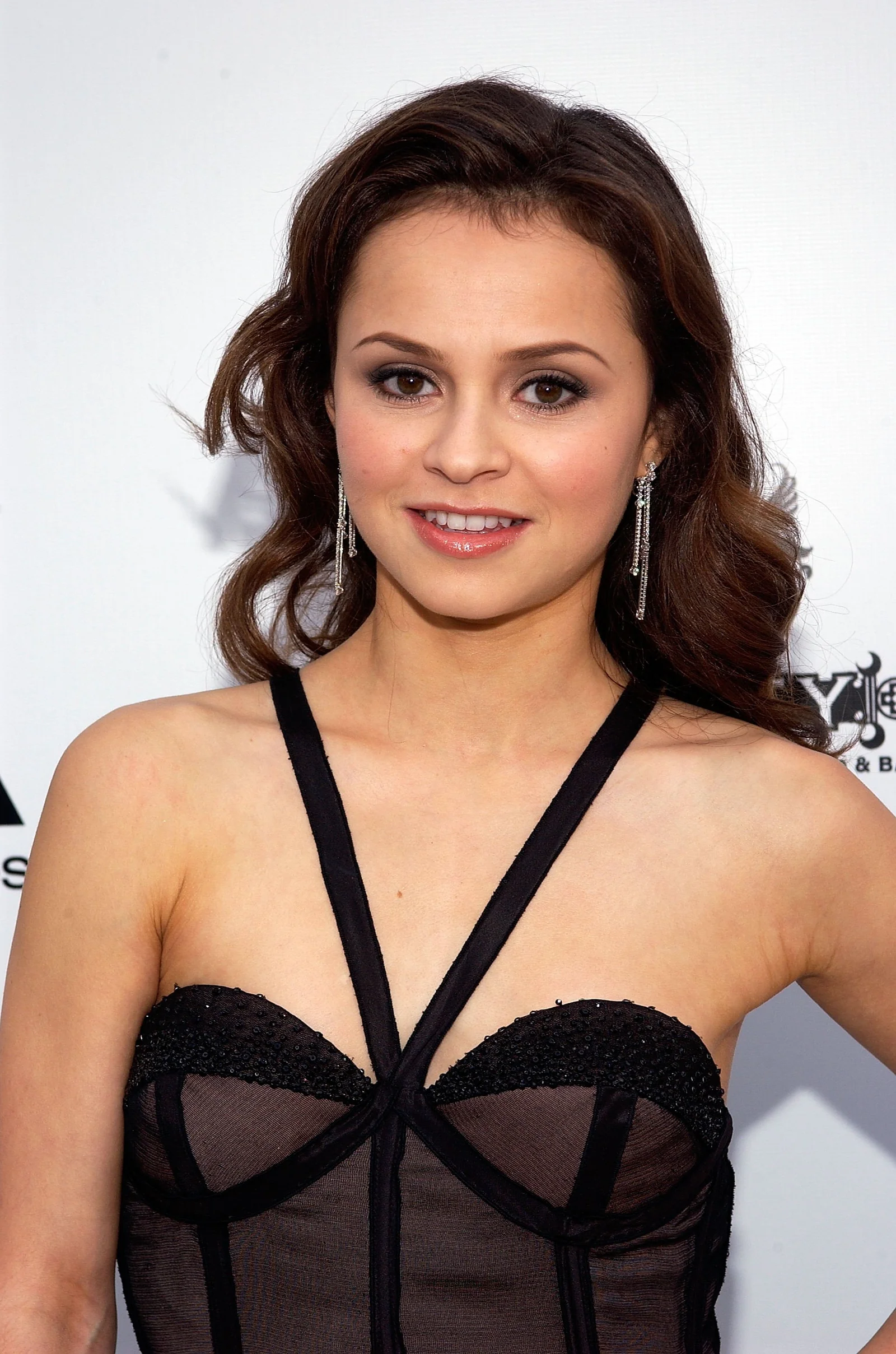
| 13 Quotes | |
| Occup. | Athlete |
| From | USA |
| Born | October 26, 1984 |
| Age | 41 years |
| Cite | |
Citation Formats
APA Style (7th ed.)
Sasha cohen biography, facts and quotes. (2026, February 11). FixQuotes. https://fixquotes.com/authors/sasha-cohen/
Chicago Style
"Sasha Cohen biography, facts and quotes." FixQuotes. February 11, 2026. https://fixquotes.com/authors/sasha-cohen/.
MLA Style (9th ed.)
"Sasha Cohen biography, facts and quotes." FixQuotes, 11 Feb. 2026, https://fixquotes.com/authors/sasha-cohen/. Accessed 7 Mar. 2026.
Early Life and Background
Sasha Cohen was born Alexandra Pauline Cohen on October 26, 1984, in Los Angeles, California, into a household that valued both discipline and imagination. Her father, Gershon Cohen, emigrated from Israel, and her mother, Galina Feldman, was born in Ukraine; the family story carried the textures of immigrant striving and cultural continuity. That blend of roots and ambition mattered later, when Cohen became one of the most recognizable American figure skaters of the 2000s - a period when U.S. women were rebuilding international dominance amid intense technical escalation from Russia and Japan.She grew up in Westwood, an environment close to rinks, studios, and the competitive youth ecosystems of Southern California. From the start, skating was not merely a sport but a stage: a place to convert temperament into movement. Family support was a constant, but so was pressure, self-generated as much as external, the familiar paradox of prodigies who crave approval yet resist constraint. Even in childhood accounts, she reads as a skater drawn to refinement and risk, a personality tuned to both precision and performance.
Education and Formative Influences
Cohen attended local schools and later balanced training with studies at UCLA, an arrangement emblematic of elite athletes in an era before fully centralized national training systems. Her formative skating years unfolded through the U.S. Figure Skating pipeline and the Southern California coaching network, where artistry could be cultivated alongside jump content. A pivotal influence was coach John Nicks, an Olympic champion turned master teacher who helped shape her posture, line, and competitive approach, and whose steadiness complemented her volatility under pressure.Career, Major Works, and Turning Points
Cohen emerged as a teenage contender in the early 2000s, earning a reputation for balletic spins, difficult spiral sequences, and programs that foregrounded musical nuance. She became a major U.S. force with her 2004 national title and solidified her international standing with a silver medal at the 2006 Winter Olympics in Turin, as well as multiple World Championship medals (including silvers in 2004 and 2005). Her career was marked by alternating peaks and near-misses: technical errors in high-stakes moments, then renewed surges driven by training revisions and injury management. After Turin, she stepped away from full-time competition, returned for the 2009-10 Olympic season with the urgency of a comeback narrative, and later transitioned into professional skating, television work, and ice shows that relied on the qualities that had always made her distinctive - extension, musicality, and theatrical presence.Philosophy, Style, and Themes
Cohen's inner life as an athlete was defined by a tension between aesthetic idealism and competitive calculus. She did not treat skating as a mere checklist of elements; she treated it as an identity project, a way to become - and to be seen becoming - the kind of person who could make difficulty look inevitable. “Skating has always been a major area of interest to me”. That sentence reads simple, but it implies a long-term fusion of self and craft, the kind that makes setbacks feel existential. When she faltered, the disappointment was not only about points; it was about a broken image of mastery.Her style, especially in her peak years, fused classical line with modern athletic demands: soft knees, centered spins, and choreography that suggested ballet training even when the music turned dramatic. She pursued improvement through volume and variety, reflecting a psychology that needed both repetition and novelty to stay alive. “I'm a competitive person and I love the challenge of mastering new things”. In her era - the rise of the Code of Points after 2004 - that mindset was both asset and burden, because artistry now had to be quantified without being diminished. Her willingness to cross-train and treat the body as an instrument of expression was also practical self-preservation, a response to the sport's injury risks and the demands of late-teen growth.
Legacy and Influence
Cohen's enduring influence rests on how vividly she embodied the 2000s American skater: technically capable, aesthetically ambitious, and psychologically exposed in a judging system that rewarded completeness without mercy. Her Olympic silver in 2006 helped stabilize U.S. visibility in women's skating between generations, while her programs remain reference points for line, spin positions, and the persuasive power of choreography. For younger skaters, she stands as both inspiration and cautionary tale - proof that artistry can still matter at the highest level, and a reminder that in figure skating, the distance between brilliance and heartbreak can be a single jump landing.Our collection contains 13 quotes written by Sasha, under the main topics: Motivational - Sports - Training & Practice - Fitness - Coaching.
Other people related to Sasha: Sarah Hughes (Athlete)
Source / external links