
Wendy Cope Biography Quotes 3 Report mistakes
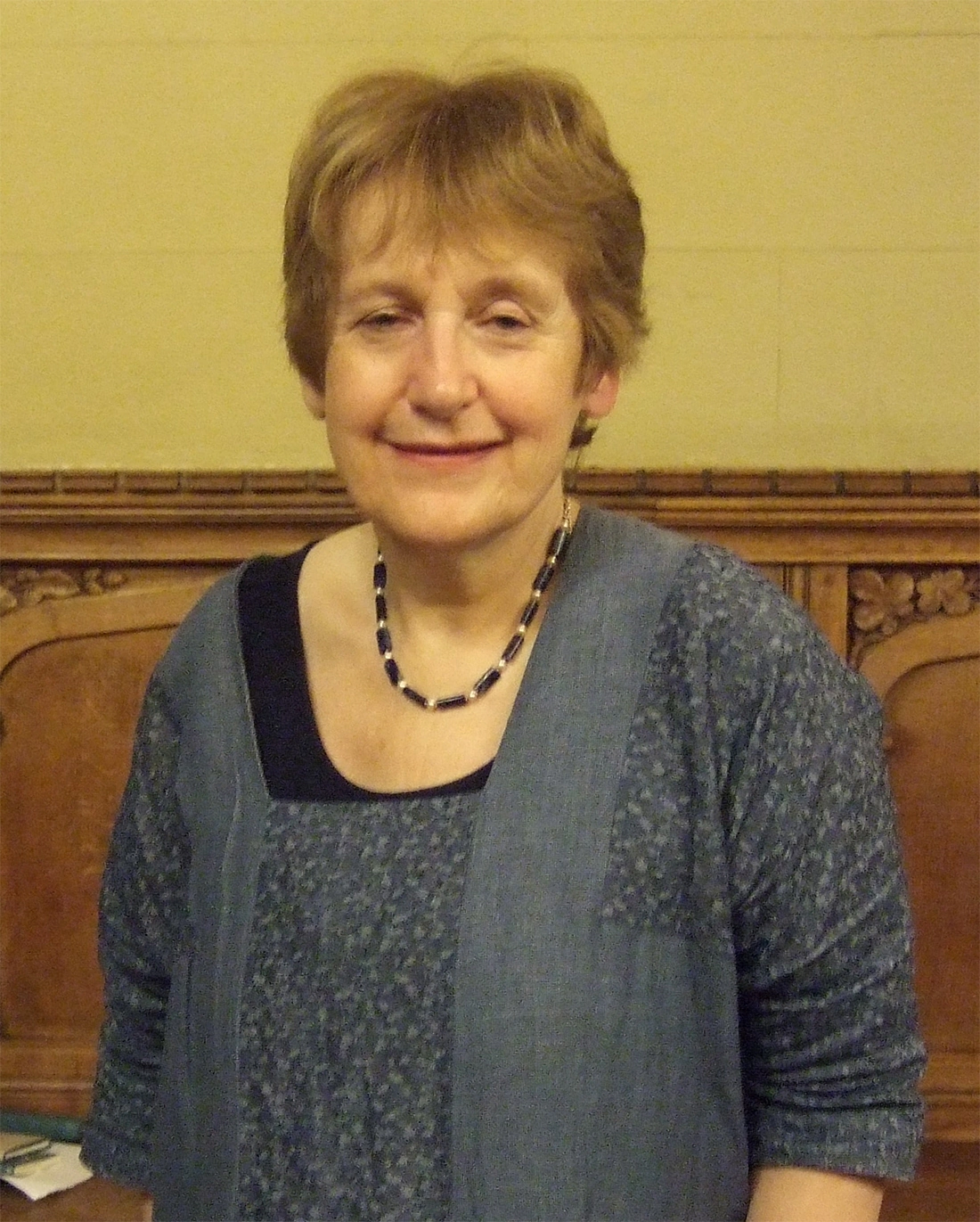
| 3 Quotes | |
| Occup. | Poet |
| From | England |
| Born | July 21, 1945 Erith, Kent, England |
| Age | 80 years |
| Cite | |
Citation Formats
APA Style (7th ed.)
Wendy cope biography, facts and quotes. (2026, February 11). FixQuotes. https://fixquotes.com/authors/wendy-cope/
Chicago Style
"Wendy Cope biography, facts and quotes." FixQuotes. February 11, 2026. https://fixquotes.com/authors/wendy-cope/.
MLA Style (9th ed.)
"Wendy Cope biography, facts and quotes." FixQuotes, 11 Feb. 2026, https://fixquotes.com/authors/wendy-cope/. Accessed 7 Mar. 2026.
Early Life and Background
Wendy Cope was born on July 21, 1945, in Erith, Kent, in the aftershock of World War II and at the beginning of an English domestic settlement that prized order, privacy, and endurance. That postwar temperament - modest aspiration, small pleasures, emotional restraint - would become both a target and a resource in her later work, where the ordinary day, the commuter mood, the weary joke, and the underlit sadness are treated as serious subjects.Her childhood and early adulthood unfolded during the long recalibration of British social life: the rise of comprehensive education, changing gender expectations, and a culture that increasingly questioned inherited pieties while still living inside them. Cope absorbed the idioms of office memos, school rules, hymn tunes, and romantic scripts, then learned to turn them inside out. The result was a voice that could sound disarmingly plain while quietly taking apart the moral furniture of the room.
Education and Formative Influences
Cope read history at St Hilda's College, Oxford, a setting that sharpened her awareness of pattern, irony, and the long view - useful tools for a poet interested in how private lives are shaped by social scripts. Oxford also placed her close to English poetic tradition at the moment it was being revised by late modernist and postwar voices; her later practice would show a deep comfort with received forms (hymn meter, sonnet-like structures, parody, and pastiche) alongside a modern preference for conversational candor and comedic timing.Career, Major Works, and Turning Points
After university she worked as a primary school teacher in London, a job that trained her ear for everyday speech and the comedy of instruction, and later as an editor and writer. Her breakthrough came with Making Cocoa for Kingsley Amis (1986), a debut collection whose wit, accessibility, and formal skill made her unusually visible in a period when much poetry felt institutionally fenced off. She followed with Serious Concerns (1992) and If I Don't Know (2001), and later brought together a larger body of work in Collected Poems (2011). Across these books, the turning point is not a shift in doctrine but a refining of method: the comic mask becomes a tool for emotional accuracy, and the apparent lightness is repeatedly used to stage loneliness, disappointment, and flashes of hard-won contentment.Philosophy, Style, and Themes
Cope's defining strategy is to treat irony as a form of tenderness rather than detachment. She writes in clear diction with an almost engineered readability, often using tight meters, rhyme, and parody to expose how culture scripts desire and self-conduct. Her humor is not ornamental - it is an ethical instrument, a way of letting the reader recognize themselves without being bullied by the poem. In her best work, the punchline is a trapdoor into grief or self-knowledge, and the most quotable lines are often those that admit how thin the line can be between coping and collapse.A persistent theme is the difference between the stories women are encouraged to live and the ones they actually inhabit. She is alert to the romantic marketplace - its waiting, its bargains, its sudden abundance and abrupt absence - and she can compress that economy into a single gag without losing its bitterness: “Bloody men are like bloody buses - you wait for about a year and as soon as one approaches your stop two or three others appear”. The joke discloses a psychology of thwarted expectation, where the self tries to stay rational while being repeatedly overruled by longing and chance. Cope also questions the cultural pressure to turn pain into product, especially for women artists: “I think it's a question which particularly arises over women writers: whether it's better to have a happy life or a good supply of tragic plots”. Her work insists that happiness is not aesthetically illegitimate, but she refuses sentimental closure; contentment, when it appears, is provisional and hard-earned. Even her seasonal satire becomes a thesis about unpaid labor and the rituals that conceal it: “Bloody Christmas, here again, let us raise a loving cup, peace on earth, goodwill to men, and make them do the washing up”. Domestic comedy, in her hands, is a political x-ray.
Legacy and Influence
Cope helped re-open a space in late-20th-century British poetry for formal craft, laughter, and mass readership without surrendering intelligence or emotional complexity. For many readers she became an entry point into contemporary verse, and for many poets a proof that accessibility can coexist with technical control and seriousness. Her influence persists in the current appetite for poems that sound like speech yet respect rhyme and measure, and in a tradition of comic exactness that treats everyday life - love, irritation, compromise, the tyranny of cheerfulness - as both material and meaning.Our collection contains 3 quotes written by Wendy, under the main topics: Witty One-Liners - Writing - Christmas.
Wendy Cope Famous Works
- 2018 Anecdotal Evidence (Poetry Collection)
- 2011 Family Values (Poetry Collection)
- 2008 Two Cures for Love (Poetry Collection)
- 2001 If I Don't Know (Poetry Collection)
- 1992 Serious Concerns (Poetry Collection)
- 1986 Making Cocoa for Kingsley Amis (Poetry Collection)
Source / external links