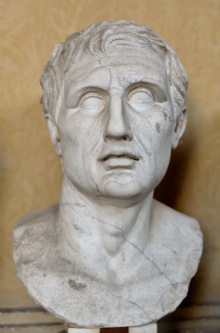
"God looks at the clean hands, not the full ones"
About this Quote
Publilius Syrus’s insightful words evoke the image of hands, a symbol resonant across cultures as tools of action, service, and intent. Clean hands represent integrity, honesty, and purity of action. They are unsullied, not merely in a literal sense, but in terms of motives and methods. Full hands, on the other hand, suggest abundance, wealth, or the fruits of one’s efforts. They can be laden with material possessions, achievements, or anything that might signify worldly success.
The contrast drawn here elevates the value of moral character above material accumulation. It suggests that what carries true worth is not the magnitude of what we possess or achieve, but the righteousness and sincerity with which we pursue our lives. External rewards, money, praise, status, do not merit divine or ethical approval on their own. Instead, it is the manner in which these are acquired and the purity of our actions that truly matter.
This wisdom challenges the common temptation to prioritize results over virtue, to chase after success by any means necessary. It serves as a gentle warning against the allure of shortcuts, deceit, or exploitation as means to an end. Actions tainted by wrongdoing, selfishness, or injustice cannot offset their consequences with impressive outcomes. No amount of wealth or accomplishment can cleanse hands that are metaphorically dirty.
At its heart, the message is a call for accountability to one’s conscience and ethical standards. The audience, whether individuals aspiring to personal growth, leaders wielding power, or everyday workers, are all reminded that they are not ultimately valued for what they hold but for how they live and act. If accolades, possessions, or achievements are gained at the expense of integrity, they lose their ultimate significance. Purity of intention and honesty of effort carry a lasting, transcendent value that far surpasses the fleeting satisfaction of full hands. Only clean hands, not full ones, are worthy of reverence.
About the Author