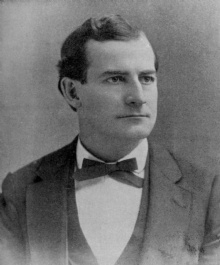
"People say that I'm a millionaire, but that's not true - I only spend millions"
About this Quote
Robert Plant’s wry observation, “People say that I’m a millionaire, but that’s not true, I only spend millions,” plays with the perception of wealth and celebrity culture. At first glance, the statement seems paradoxical, but its humor arises from the subtle distinction between possessing wealth and the act of spending it. Plant acknowledges that people associate his status and public persona with vast riches, simply assuming that fame naturally begets monetary fortune and financial stability. Yet, he cleverly suggests that there is a significant difference between being a millionaire in terms of assets and outright wealth, and the reality of expenditures one might encounter within such a high-profile existence.
By emphasizing expenditure over ownership, Plant touches on the nature of consumption that often accompanies stardom. There’s an implication that substantial income is frequently offset by equally substantial costs, lavish lifestyles, touring expenses, recording, management, and the pressures to maintain a certain public image. The “millions” aren’t necessarily accumulating in a bank account; they are being funneled back into the ongoing demands of life as a renowned musician. His remark also subtly engages with the idea that outward appearances can be deceptive. To outsiders, success is equated with endless affluence, but Plant hints at the precariousness and volatility of fortune in the entertainment industry.
There’s also an undercurrent of self-deprecating humor and perhaps a critique of materialism embedded in his words. He recognizes the absurdity of the situation, spending immense sums of money yet denying the title of “millionaire.” It suggests a detachment from material wealth, an acknowledgment that riches do not necessarily bring lasting contentment or define one’s identity. Moreover, it raises questions about value, fulfillment, and the assumptions people make about those in the limelight. Rather than boasting, Plant’s quip serves as a playful yet insightful commentary on the nature of fame, fortune, and the realities that lie behind popular myths of prosperity.
More details
About the Author