
Book: How to Be a Successful Executive
Overview
J. Paul Getty’s 1969 guide distills a lifetime of buying, building, and running enterprises into plain rules for getting results. The tone is unsentimental and empirical: success comes from hard work, rigorous thinking, and relentless economy, not from flashes of genius. He addresses aspiring managers and owners alike, stressing that executive ability is learned by cultivating habits that convert effort into profit, trust, and staying power across cycles.
Mindset and Character
Getty puts character at the center of management. Self-discipline, stamina, and the will to keep learning matter more than brilliance. He urges executives to assume responsibility, accept blame when things go wrong and pass credit down the line when they go right. He warns against complacency during good times and paralysis during bad times. Frugality is a virtue, not a gimmick: watch small costs, resist showmanship, and reinvest earnings. Personal thrift signals seriousness, sets cultural norms, and preserves freedom of action when markets turn.
Management by Delegation and Accountability
Effective executives choose capable people, define clear objectives, and then delegate authority with accountability attached. Delegation is not abdication; it demands close attention to results through numbers, site visits, and frank conversations. Micromanagement smothers initiative, but vague oversight breeds drift. Getty favors simple structures where responsibility is traceable and incentives reward performance. Loyalty cannot be bought; it is earned by fairness, consistency, and the sense that achievement will be recognized.
Decisions, Risk, and Timing
Getty argues for boldness grounded in research. The executive’s job is to reduce uncertainty through facts, costs, reserves, competitors, logistics, and then act decisively. He prizes the margin of safety: insist on terms, prices, and contingencies that make downside survival likely. Risk should be concentrated only when the edge is real, the timing is right, and the commitments are reversible where possible. Patience is strategic; many profits accrue to those who wait for favorable conditions rather than force action for the sake of activity.
Negotiation and Contracts
Preparation is the strongest bargaining chip. Know the needs, pressures, and alternatives on both sides; cultivate the ability to walk away; and put every material understanding in writing. He values civility and long-term relationships but separates cordiality from softness. Concessions must be traded, not gifted. Detail is not drudgery, ambiguities in specifications, delivery, or payment terms erase margins later.
Time, Information, and Meetings
Time is the scarcest executive resource. Getty recommends short, purposeful meetings, concise memos backed by figures, and direct contact with the people closest to the work. He distrusts bureaucracy that substitutes process for performance. Information should be timely, comparable, and actionable; accounting is the dashboard, not an afterthought. When confused, go to the field and look with your own eyes.
Customers, Reputation, and Ethics
Salesmanship begins with reliability: deliver quality at a fair price and keep promises. Reputation is cumulative capital, hard won, easily lost, and it lowers transaction costs throughout a career. Getty ties ethics to utility: honesty, safety, and compliance are profitable because they sustain partnerships and access. A good name opens doors when cash is scarce or risks are high.
Enduring Lessons
The portrait of the successful executive that emerges is neither charismatic nor theoretical. It is a craftsman of enterprise: disciplined, frugal, observant, demanding yet fair; skilled at choosing people, structuring incentives, reading numbers, and making timely, researched bets. Across fluctuating markets, those habits, repeated consistently, compound into authority, resilience, and wealth.
Citation Formats
APA Style (7th ed.)
How to be a successful executive. (2026, February 5). FixQuotes. https://fixquotes.com/works/how-to-be-a-successful-executive/
Chicago Style
"How to Be a Successful Executive." FixQuotes. February 5, 2026. https://fixquotes.com/works/how-to-be-a-successful-executive/.
MLA Style (9th ed.)
"How to Be a Successful Executive." FixQuotes, 5 Feb. 2026, https://fixquotes.com/works/how-to-be-a-successful-executive/. Accessed 27 Mar. 2026.
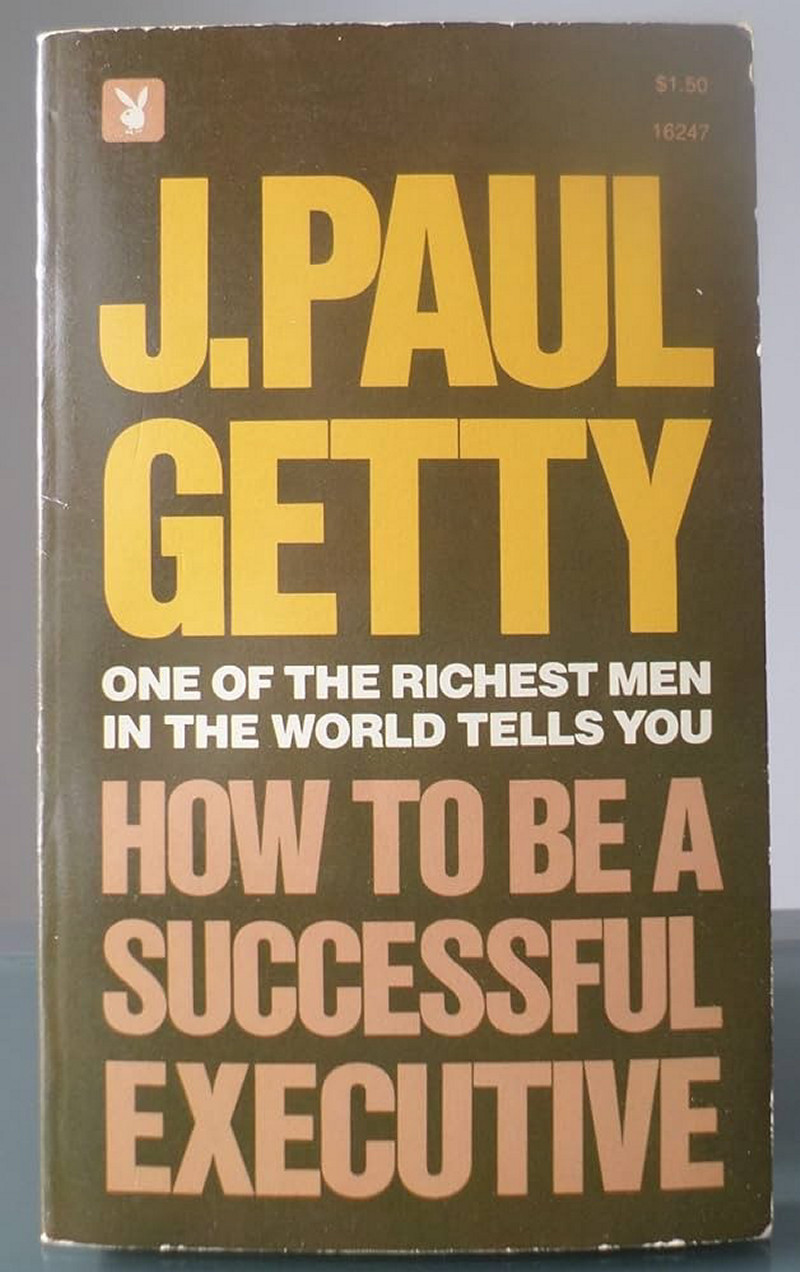
How to Be a Successful Executive
In this book, J. Paul Getty shares his insights on effective management and leadership within a business. He provides personal anecdotes and advice for aspiring executives to excel in their careers.
About the Author

J. Paul Getty
J. Paul Getty, a wealthy oil magnate and art collector, from his early ventures to his legacy at the Getty Museum.
View Profile- OccupationBusinessman
- FromUSA
-
Other Works
- The History of the Oil Industry (1959)
- My Life and Fortunes (1963)
- The Joys of Collecting (1965)
- How to Be Rich (1965)