
Novel: Man, Woman and Child
Summary
Robert "Bob" Beckwith, a devoted husband and father, sees his well-ordered life upended when a secret from his youth is revealed: he fathered a son during a brief affair years before his marriage. The news arrives abruptly and forces Bob to confront the consequences of a past mistake. The appearance of the boy, and the emotional fallout that follows, tests the fragile equilibrium of a household built on trust and routine.
As the family grapples with the new reality, loyalties shift and hidden feelings surface. Bob strives to accept responsibility and to build a relationship with the boy, while his wife, Sheila, and their children struggle with betrayal, confusion, and a sense of displacement. The narrative follows the slow, often painful process by which each member tries to reconcile love for one another with the shock of changed circumstances.
Main Characters
Bob Beckwith is portrayed as honorable and emotionally complex, a man whose sensible exterior conceals private guilt and fear. He wants to do right by his son and his family but must navigate the emotional consequences of admitting a past indiscretion. Sheila, his wife, embodies both hurt and resilience; she must measure anger against the love that has sustained their life together and decide whether the marriage can survive the disclosure.
The children react with a mixture of bewilderment, jealousy, and curiosity, reflecting varying stages of maturity and dependence on parental security. The newcomer, the son from Bob's past, becomes a catalyst for change, exposing vulnerabilities and prompting the family to reassess definitions of belonging and parental duty. Secondary characters, friends, confidants, and relatives, serve as mirrors that amplify the emotional stakes and illuminate the social pressures surrounding the family.
Themes
The novel examines the fragile architecture of family life and how a single secret can ripple outward to unsettle long-standing bonds. Central themes include responsibility, forgiveness, and the delicate balance between truth and stability. Questions of identity and legitimacy run through the story: what makes someone a parent, what rights do children have to the past, and how does a family integrate an unexpected member?
Trust and forgiveness are treated as ongoing processes rather than single acts. The book looks closely at how love coexists with disappointment and how moral choices reverberate across time. It also explores the limits of empathy, the difficulty of honest communication, and the slow work of rebuilding intimacy after betrayal.
Tone and Style
The prose is direct and emotionally engaged, aiming to render intimate domestic scenes with clarity and tenderness. Scenes alternate between quieter moments of reflection and charged confrontations, creating a rhythm that highlights both everyday normalcy and acute emotional rupture. Characterization leans toward realism, drawing readers into the interior lives of the family members and encouraging empathy even for flawed choices.
Dialogue and internal monologue are used to reveal shifting loyalties and the private calculations that often remain unspoken in families. The narrative voice maintains a compassionate outlook, neither excusing nor condemning outright, but inviting readers to follow the characters' attempts to act responsibly within imperfect circumstances.
Conclusion
At its core, the story is about the resilience and fragility of familial love when faced with unforeseen truths. It resists easy resolutions, instead portraying reconciliation as tentative and contingent on hard work, honesty, and the willingness to accept pain as part of repair. The novel asks whether families are defined by blood, by promises kept, or by the choices made in times of crisis, leaving the emotional aftermath as evidence of both human fallibility and the possibility of renewal.
Citation Formats
APA Style (7th ed.)
Man, woman and child. (2026, February 4). FixQuotes. https://fixquotes.com/works/man-woman-and-child/
Chicago Style
"Man, Woman and Child." FixQuotes. February 4, 2026. https://fixquotes.com/works/man-woman-and-child/.
MLA Style (9th ed.)
"Man, Woman and Child." FixQuotes, 4 Feb. 2026, https://fixquotes.com/works/man-woman-and-child/. Accessed 26 Mar. 2026.
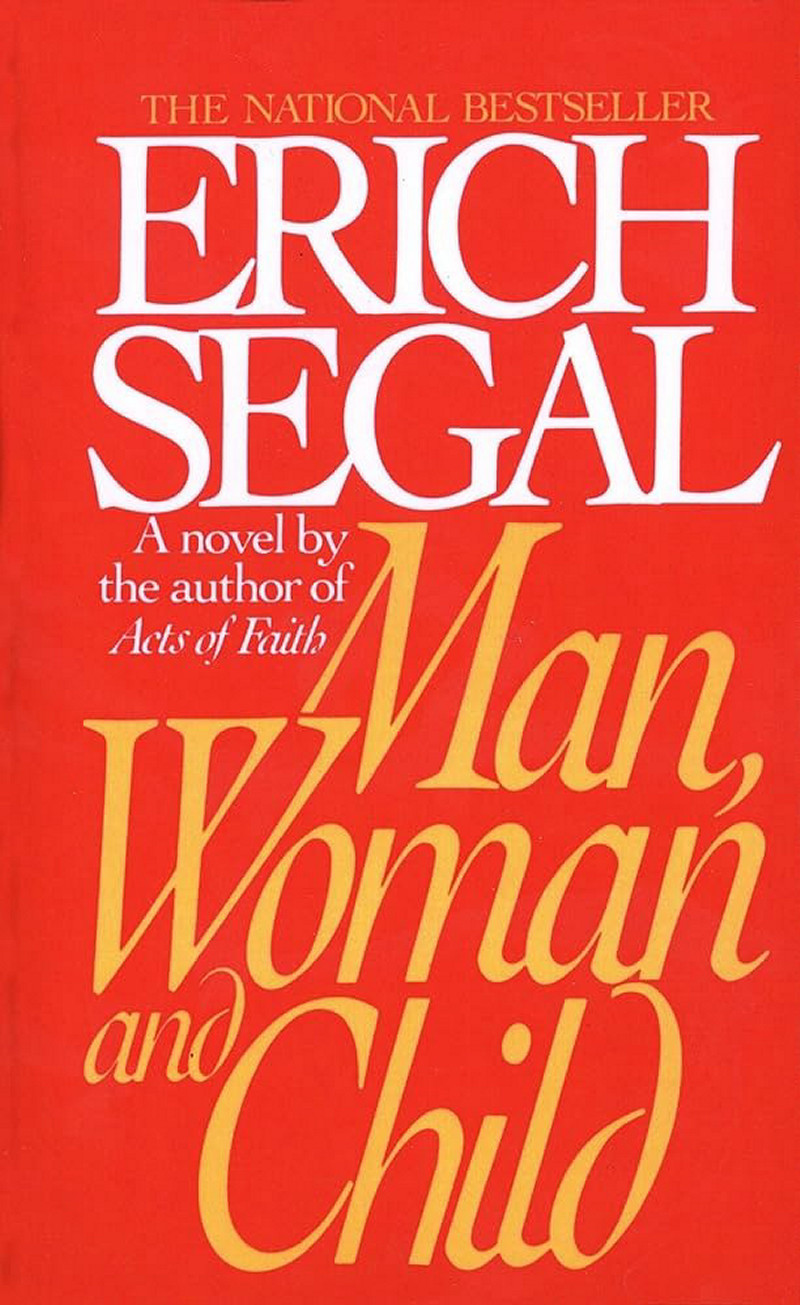
Man, Woman and Child
The story of a married couple, Bob and Sheila Beckwith, whose lives are disrupted when Bob learns about a previously unknown son from a past affair. The novel explores the family's attempts to come to terms with this revelation and navigate their relationships.
About the Author

Erich Segal
Erich Segal, acclaimed author of Love Story and talented academic, with a lasting influence in literature and film.
View Profile- OccupationNovelist
- FromUSA
-
Other Works
- Yellow Submarine (1968)
- Love Story (1970)
- Oliver's Story (1977)
- The Class (1985)
- Doctors (1988)
- Acts of Faith (1992)
- Prizes (1995)