
Short Story: Matasaburo of the Wind
Overview
Kenji Miyazawa's "Matasaburo of the Wind" is a tender, quietly uncanny coming-of-age tale set in a rural school community. A new boy arrives who insists he is a spirit of the wind, and his presence upends the ordinary rhythms of the children's days. The story moves between playful episodes and moments of subtle wonder, using the child's-eye perspective to make the natural world feel alive and slightly mysterious.
Miyazawa blends folklore, pastoral detail, and gentle psychological insight to explore how encounters with the strange can shape a child's sense of self and place. The narrative is less concerned with literal explanations than with the emotional and imaginative effects of the newcomer's claim, leaving readers to share the children's mixture of belief, skepticism, and awe.
Plot
A small group of schoolchildren in a mountain village notice a new boy who behaves oddly and speaks of coming from the wind. He calls himself Matasaburo and displays mannerisms and stories that set him apart from other children. Some classmates are curious and accepting, while others are wary; adults in the village react with polite suspicion or amused tolerance. Through games, shared chores, and conversations, the children gradually form a bond with the boy, testing boundaries of trust and bravery.
Matasaburo's presence coincides with strange gusts, sudden changes in weather, and private moments of revelation for the children who befriend him. He teaches them small lessons about courage and attention, and his tales make the world seem larger and more animated. The story culminates in a quietly haunting moment when the wind itself seems to reclaim him, leaving the children changed by what they have seen and felt rather than by any tidy resolution.
Themes
A central theme is the permeability between human life and the forces of nature. Matasaburo acts as a liminal figure who blurs the boundary between child and spirit, imagination and reality. His reticence and odd claims prompt questions about identity, belonging, and the ways communities accommodate difference. Friendship emerges as a moral focus: the children's willingness to accept and protect him becomes a measure of their growing empathy.
Courage in the story is modest and practical rather than heroic. It appears as the quiet bravery of children learning to trust their perceptions and to stand by someone who is different. The natural world is portrayed not as a distant backdrop but as an active presence, offering lessons, tests, and consolation. Miyazawa's spiritual sensitivity, shaped by a compassionate worldview, encourages reverence for life and for the subtle forces that shape human experience.
Style and Legacy
Miyazawa's prose is lyrical yet unpretentious, favoring vivid images and precise rural detail. The narrative voice often mirrors the children's viewpoint, which lends warmth and immediacy while allowing moments of lyrical reflection to pierce through. Symbolic elements, especially the wind, are presented with gentle ambiguity so that readers can choose a literal or mystical reading without feeling pushed toward one definitive interpretation.
The story has endured in Japan and beyond as a beloved piece of children's literature that speaks to readers of all ages. Its combination of folklore, psychological insight, and pastoral lyricism has inspired adaptations and continued discussion about Miyazawa's themes of compassion, nature, and the moral formation of young people. Matasaburo remains a memorable emblem of the moment when the ordinary world is suddenly made strange and wondrous, leaving the small community subtly but indelibly transformed.
Citation Formats
APA Style (7th ed.)
Matasaburo of the wind. (2025, September 13). FixQuotes. https://fixquotes.com/works/matasaburo-of-the-wind/
Chicago Style
"Matasaburo of the Wind." FixQuotes. September 13, 2025. https://fixquotes.com/works/matasaburo-of-the-wind/.
MLA Style (9th ed.)
"Matasaburo of the Wind." FixQuotes, 13 Sep. 2025, https://fixquotes.com/works/matasaburo-of-the-wind/. Accessed 26 Mar. 2026.
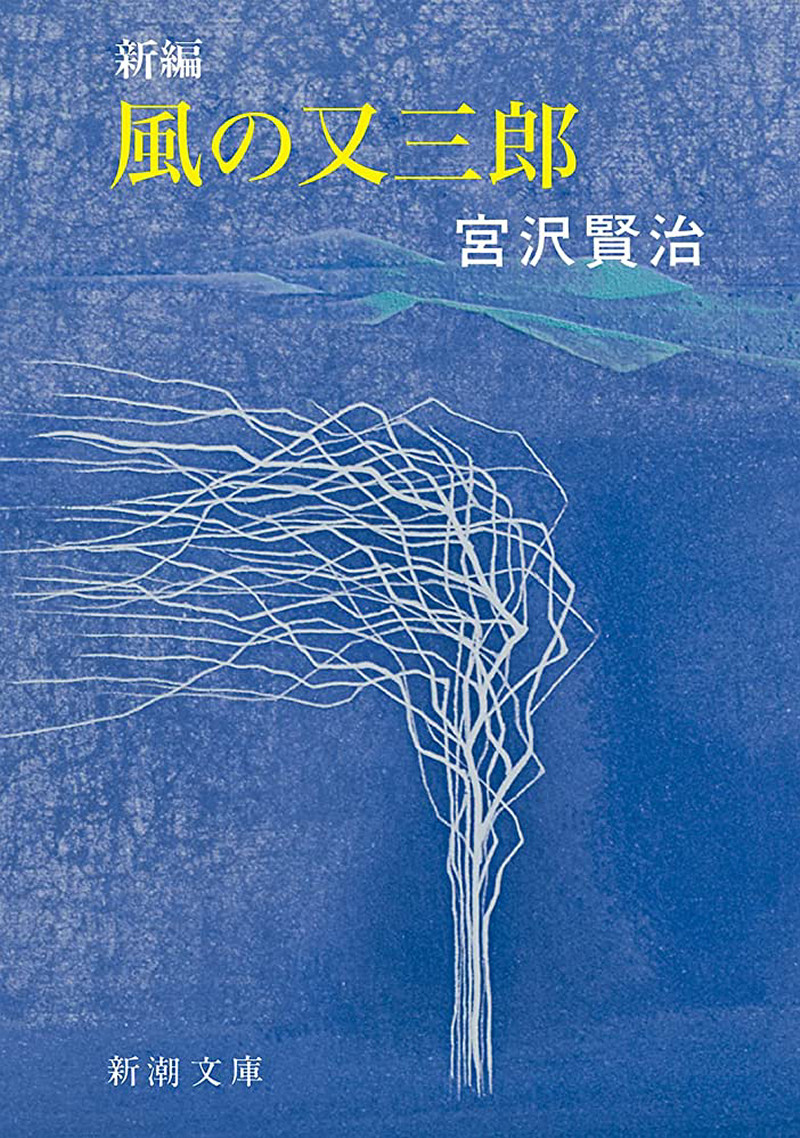
Matasaburo of the Wind
Original: Kaze no Matasaburo
In this coming-of-age story, a group of children befriends a boy named Matasaburo, who claims to be a wind spirit. Through their experiences together, the children learn about friendship, courage, and the wonders of the natural world.
- Published1924
- TypeShort Story
- GenreFantasy, Children's literature
- LanguageJapanese
- CharactersMatasaburo, Takashi, Noda
About the Author

Kenji Miyazawa
Kenji Miyazawa, a key figure in Japanese children's literature and poetry.
View Profile- OccupationPoet
- FromJapan
-
Other Works
- The Restaurant of Many Orders (1924)
- Night on the Galactic Railroad (1927)
- Gauche the Cellist (1930)