
Poem: Paracelsus
Overview
Robert Browning’s Paracelsus is a long dramatic poem tracing the inner life of the Renaissance physician and alchemist Paracelsus as he pursues absolute knowledge and the power to benefit mankind. Framed through dialogues and monologues with three crucial figures, his loyal friend Festus, Festus’s gentle wife Michal, and the dying Italian poet Aprile, the poem tests a single grand ambition against human limits. Between youthful proclamation and deathbed reckoning, Paracelsus moves from confidence to notoriety to disillusion, discovering that knowledge severed from love breeds pride, isolation, and failure, while failure itself may be the necessary medium of moral and spiritual growth.
Plot and Structure
The poem opens with Paracelsus announcing to Festus and Michal his mission to grasp the secret laws of nature and heal the world. He spurns the claims of love and domestic peace as impediments to a solitary quest. Festus pleads for balance; Michal intuits the cost. Paracelsus departs, buoyed by a messianic belief in his own capacity.
On the road he encounters Aprile, a visionary artist whose life has been consumed by the hunger to love and to make others love. Aprile, dying, confesses the futility of love unmoored from knowledge or form; Paracelsus recognizes the complement he has denied, yet presses on. Attaining renown as a physician and teacher, he shocks the academies with his contempt for tradition and his flamboyant cures. Fame turns to notoriety as arrogance and scorn alienate colleagues and citizens. Driven out, he wanders, embittered and increasingly suspicious of others’ motives and of his own.
In the final movement, worn down by illness and disappointment, he is reconciled to Festus. On the verge of death, he surveys his life’s experiment and revises his creed: the absolute was never a human prize, and the desire to know, severed from love and humility, distorts both science and self. He glimpses a larger order in which error and striving are taken up by God for good. With that tempered hope, he dies.
Characters and Contrasts
Paracelsus embodies the will to know: analytic, defiant, impatient of limits. Festus is conscience and common sense, advocating the humanizing claims of friendship, patience, and charity. Michal represents the tender, domestic life forfeited to ambition, her presence a silent counterweight to grand designs. Aprile embodies the opposite excess: pure love and artistic ardor without structure or knowledge. Their dialogues dramatize the poem’s central dialectic, knowledge without love versus love without knowledge, whose resolution Paracelsus only embraces at the end.
Themes and Ideas
Ambition is tested by finitude; failure, rather than negating purpose, becomes its medium. Browning treats error as educative: the soul’s advance occurs through miscalculation and suffering, not despite them. Knowledge must serve love, or it curdles into tyranny and contempt; love must be disciplined by knowledge, or it dissolves into sterile longing. The poem also meditates on authority and innovation: Paracelsus’s revolt against tradition exposes both the deadness of rote learning and the peril of genius untempered by humility. Underneath runs a hopeful theology that human striving, even when misdirected, is gathered into a providential design.
Style and Significance
Written in flexible blank verse, the poem fuses psychological portraiture with intellectual debate, foreshadowing Browning’s mature dramatic monologues. It offers a sympathetic, unheroic hero whose grandeur lies not in victory but in a chastened comprehension of his limits. Paracelsus became a touchstone for Victorian meditations on progress, the ethics of knowledge, and the cost of greatness, announcing Browning’s lifelong interest in souls tested at the edge of their capacities.
Citation Formats
APA Style (7th ed.)
Paracelsus. (2026, February 4). FixQuotes. https://fixquotes.com/works/paracelsus/
Chicago Style
"Paracelsus." FixQuotes. February 4, 2026. https://fixquotes.com/works/paracelsus/.
MLA Style (9th ed.)
"Paracelsus." FixQuotes, 4 Feb. 2026, https://fixquotes.com/works/paracelsus/. Accessed 11 Feb. 2026.
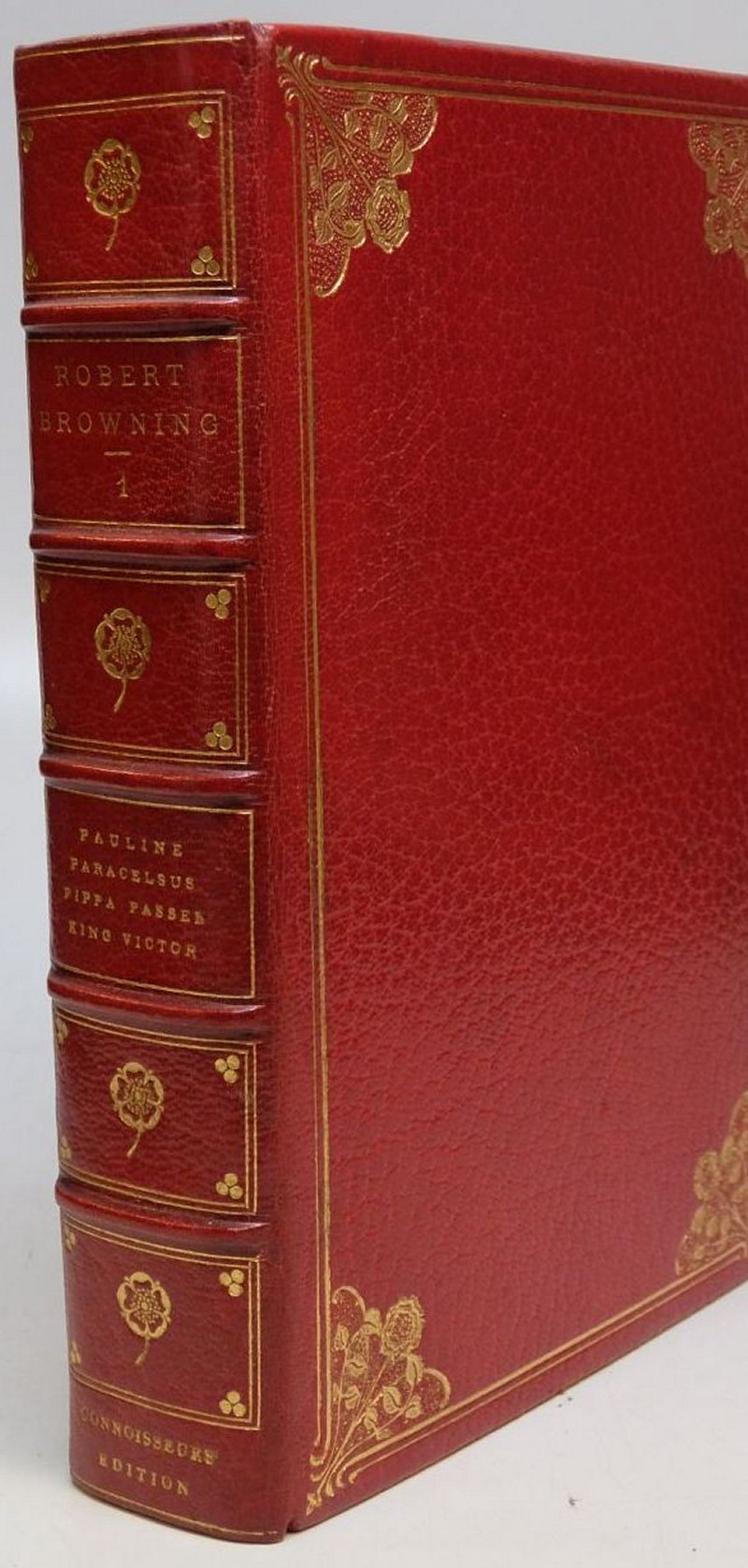
Paracelsus
A long narrative poem that tells the life story of Paracelsus, a 16th-century Swiss physician, alchemist, and scientist.
- Published1835
- TypePoem
- GenrePoetry
- LanguageEnglish
- CharactersParacelsus
About the Author

Robert Browning
Robert Browning, renowned for his dramatic monologues and poetic influence in 19th-century English literature.
View Profile- OccupationPoet
- FromEngland
-
Other Works
- Pauline (1833)
- Sordello (1840)
- Pippa Passes (1841)
- Men and Women (1855)
- Dramatis Personae (1864)
- The Ring and the Book (1868)