
Screenplay: Paris, Texas
Overview
Sam Shepard's screenplay for Paris, Texas unfolds as a spare, haunting meditation on memory, shame, and the difficulty of rejoining life after a long absence. The story follows a man named Travis, who is discovered wandering the Texas desert, mute and disoriented. Reconnected with his brother Walt, Travis slowly begins a fragile rebuilding of family ties that pulls him back toward a past he has tried to erase.
The script traces a careful emotional arc rather than a series of plot twists. Shepard's language is economical and elliptical, leaving space for silence and gesture to carry as much weight as spoken lines. The structure moves between present attempts at reconciliation and fragments of a fractured family history that culminate in a raw, intimate confrontation.
Plot
A drifter named Travis is found on the edge of town unable to remember who he is or speak. His brother Walt recognizes him and brings him to Los Angeles, where Walt has settled and runs a small business. With patient, plainspoken routines, Walt helps Travis learn to do ordinary things again and reconnect with his young son, Hunter, who has been raised by Walt and his wife. Hunter and Travis begin to form a tentative bond through simple shared moments, fishing, and small acts of trust.
As Travis regains speech and some memory, the narrative turns toward the question of why he disappeared and where his wife Jane might be. Motivated by his reconnection with Hunter and by a confession that gnaws at him, Travis goes to Houston to find Jane. There, in a climactic and unforgettable scene, he confronts the consequences of his long absence. The peep-show confession is delivered through a one-way glass and a small screen, a scene that lays bare the emotional wreckage of their lives and forces a bitter, compassionate decision about what is best for the boy.
Characters and relationships
Travis is written as a man shaped by silence and shame, a wanderer who once made a decisive choice that severed his family. Shepard renders him with spare dialogue and intense interiority; actions and pauses reveal as much as his words. Walt serves as a steady, pragmatic foil, wry, affectionate, and determined to give both Travis and Hunter ordinary domestic stability. Hunter is written with a child's blunt sensitivity, the bridge between the brothers' past and any hopeful future.
Jane is central though not always present; when she appears, she is transformed by years of pain and survival. The screenplay gives her a complicated dignity, hardened in some ways, still human and capable of tenderness in others. The relationships tilt constantly between blame and care, leaving each character to make a painful moral choice that will determine the boy's fate.
Themes and style
Shepard's screenplay explores silence as both punishment and protection, treating speech and confession as acts that can wound and heal. The American landscape, long roads, empty motels, the vast desert, functions as a psychological map of isolation and possibility. The writing favors visual images and the cadence of ordinary speech over exposition, trusting actors and cinematography to carry subtext.
Themes of exile, atonement, and the difficulty of living with the consequences of past actions run throughout. Shepard balances mythic Americana with intimate, domestic detail, creating a story that feels both archetypal and painfully specific. The emotional center lies in the quiet, human work of reckoning rather than in plot mechanics.
Ending and resonance
The resolution is wrenching and emotionally precise: Travis makes a sacrificial choice aimed at securing his son's future, acknowledging that love can demand letting go. The screenplay leaves some questions unresolved, privileging mood and moral clarity over tidy closure. Its restraint and emotional honesty have made Paris, Texas a touchstone for stories about loss and return, a script that lingers because it trusts the power of silence and the small acts that attempt to repair what's been broken.
Citation Formats
APA Style (7th ed.)
Paris, texas. (2026, February 4). FixQuotes. https://fixquotes.com/works/paris-texas/
Chicago Style
"Paris, Texas." FixQuotes. February 4, 2026. https://fixquotes.com/works/paris-texas/.
MLA Style (9th ed.)
"Paris, Texas." FixQuotes, 4 Feb. 2026, https://fixquotes.com/works/paris-texas/. Accessed 12 Feb. 2026.
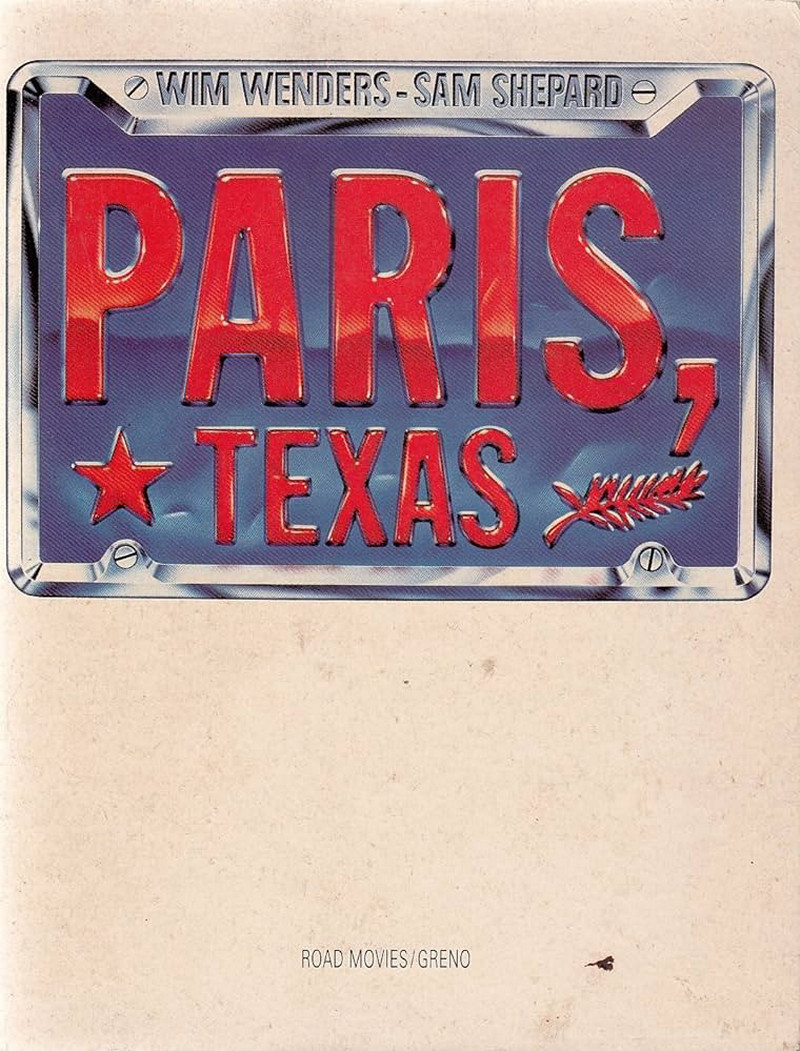
Paris, Texas
Adapted from Shepard's own story, the screenplay follows a speechless man named Travis, who reconnects with his estranged brother and attempts to rebuild his life after years of wandering and solitude.
- Published1984
- TypeScreenplay
- GenreDrama
- LanguageEnglish
- AwardsPalme d'Or at the 1984 Cannes Film Festival
- CharactersTravis Henderson, Walt Henderson, Jane Henderson, Anne Henderson, Hunter Henderson
About the Author

Sam Shepard
Sam Shepard, an influential American playwright, actor, and musician known for his unique contributions to theater and film.
View Profile- OccupationPlaywright
- FromUSA
-
Other Works
- Curse of the Starving Class (1978)
- Buried Child (1978)
- True West (1980)
- Fool for Love (1983)
- A Lie of the Mind (1985)