
Caryl Chessman Biography Quotes 8 Report mistakes
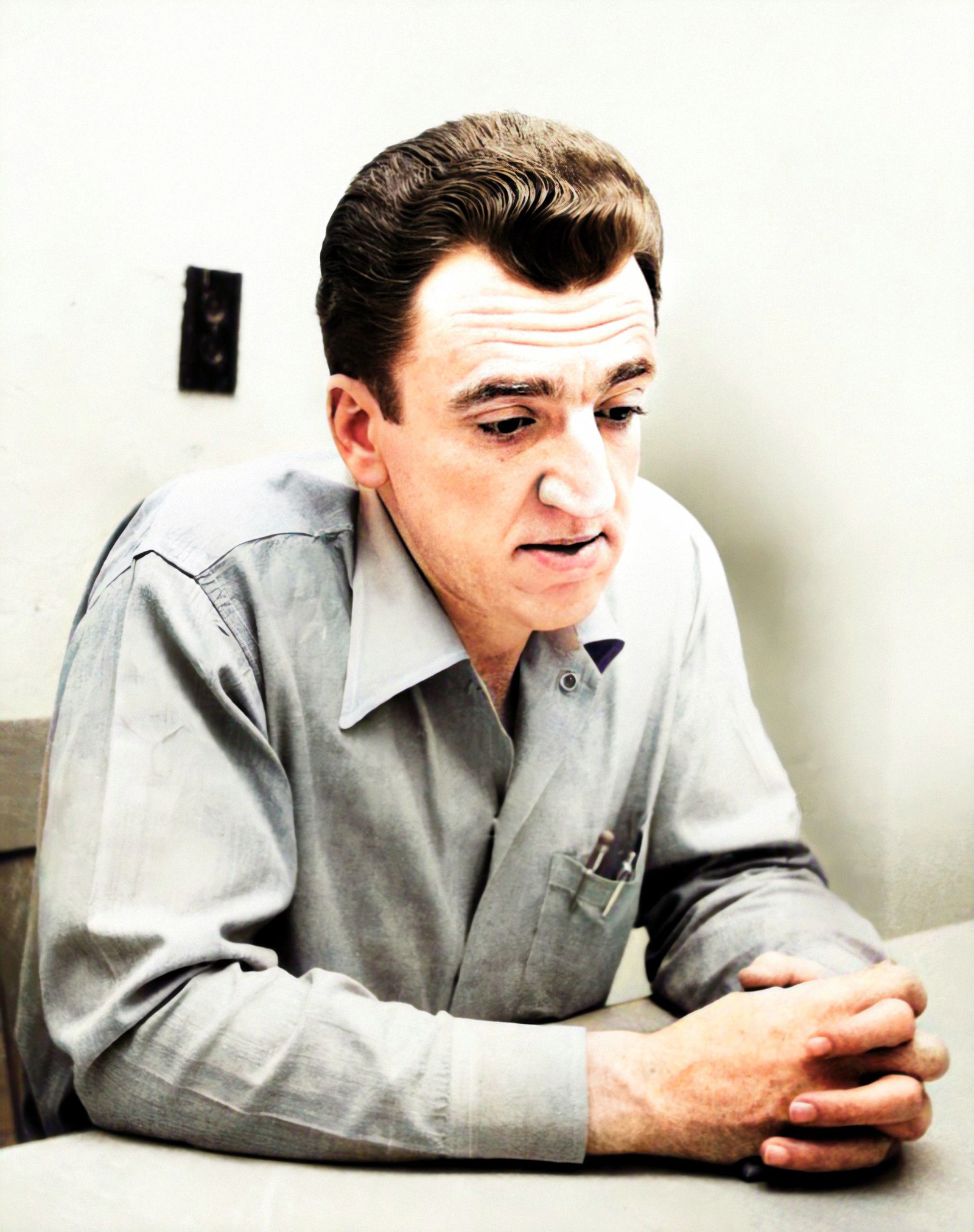
| 8 Quotes | |
| Born as | Caryl Whittier Chessman |
| Occup. | Criminal |
| From | USA |
| Born | May 27, 1921 St. Joseph, Michigan |
| Died | May 2, 1960 San Quentin, California |
| Cause | Executed in gas chambers |
| Aged | 38 years |
| Cite | |
Citation Formats
APA Style (7th ed.)
Caryl chessman biography, facts and quotes. (2026, February 11). FixQuotes. https://fixquotes.com/authors/caryl-chessman/
Chicago Style
"Caryl Chessman biography, facts and quotes." FixQuotes. February 11, 2026. https://fixquotes.com/authors/caryl-chessman/.
MLA Style (9th ed.)
"Caryl Chessman biography, facts and quotes." FixQuotes, 11 Feb. 2026, https://fixquotes.com/authors/caryl-chessman/. Accessed 12 Feb. 2026.
Early Life and Background
Caryl Whittier Chessman was born on May 27, 1921, in St. Joseph, Michigan, and grew up largely in southern California as the nation lurched from post-World War I optimism into Depression-era dislocation. The West Coast he came to know was a place of cars, billboards, and fast reinventions, but also of harsh policing and sharpened class lines. In family stories and later self-portraits, he cast himself as bright, restless, and already arguing with authority - a temperament that would harden into a lifelong contest with institutions.By his teens and early twenties, he was in and out of reformatories and jails, moving through a criminal underworld of stolen cars, petty rackets, and the improvisational violence of postwar street life. These years were not only a record of offenses but of identity formation: Chessman learned how quickly a file, a label, and a police narrative could become destiny. The man who would later write from death row began here, in the collision between personal impulse and the machinery that records, categorizes, and punishes.
Education and Formative Influences
Chessman had no stable collegiate path; his education was pieced together through sporadic schooling, voracious reading, and, crucially, the prison library and prison routine. California's penal system, with its emphasis on discipline and its obsession with the written record, became his unwilling classroom. He absorbed law, grammar, and the rhetoric of persuasion, studying court decisions and training himself to think like a brief-writer, because that was the one language the state might be forced to answer.Career, Major Works, and Turning Points
His decisive turning point came with his arrest and prosecution for the "Red Light Bandit" crimes in Los Angeles County, a series of armed robberies and sexual assaults tied to a car with a red spotlight. Convicted in 1948 on counts including kidnapping under California's then-expansive statute, he was sentenced to death, even though the case did not involve a murder. From San Quentin he became his own de facto attorney, filing appeals, mastering procedural rules, and transforming his confinement into authorship: his memoirs and prison writings - including the bestselling Cell 2455, Death Row (1954) and later books such as The Face of Justice (1957) and The Kid Was a Killer (1960) - made him an international symbol in the capital punishment debate. After a long series of stays, legal fights, and public campaigns that drew in writers, clergy, and politicians, he was executed in California's gas chamber on May 2, 1960.Philosophy, Style, and Themes
Chessman's inner life, as revealed in his books and letters, is a blend of self-indictment, defiance, and an almost forensic hunger to control the narrative that had condemned him. His prose is urgent, argumentative, and strategically intimate: he writes to make readers feel the claustrophobia of a cell, then pivots to case law, transcripts, and the ethics of the state. He repeatedly framed his struggle not as sainthood but as a refusal to be reduced to a commodity of spectacle and punishment: "My soul is not for sale". The insistence reads as psychological armor - a way to keep the self intact when every external power, from wardens to headlines, profits from your disappearance.A second strand is his obsession with documentary truth and the possibility of institutional error or misconduct, an obsession that functioned both as legal strategy and as existential anchor. He wrote as if papers could reverse time, and as if the right arrangement of facts could force the public to see what the court would not: "How, possibly, could the police have made the 'mistake' of charging the wrong man with the notorious Red Light Bandit crimes? That also is something that is fully revealed in the Pandora's Box of facts I have prepared". Yet for all the argument, he also cultivated a stoic self-image at the brink, trying to script his final emotional posture with the same discipline he applied to petitions: "It is my hope and my belief that you will be able to report that I died with dignity, without animal fear and without bravado. I owe that much to myself". The tension between combative control and fear-managed dignity is the psychological signature of his work: a man simultaneously pleading his case and rehearsing the only remaining freedom - how to meet the end.
Legacy and Influence
Chessman left behind more than a notorious file; he left a model for the modern condemned intellectual - the prisoner who turns literacy into leverage and autobiography into political instrument. In the United States and abroad, his case intensified scrutiny of the death penalty, the breadth of kidnapping statutes, and the reliability of police procedure and identification in sex-crime prosecutions. His books helped popularize the idea that capital punishment is not only about guilt and innocence but about power, narrative, and the state's right to extinguish a life. Even for readers who reject his claims, Chessman endures as a defining mid-century figure: a criminal who became a public author from inside a cage, and whose fight forced a wider audience to confront what it means for a democracy to kill in its own name.Our collection contains 8 quotes written by Caryl, under the main topics: Witty One-Liners - Justice - Mortality - Honesty & Integrity - Tough Times.
Caryl Chessman Famous Works
- 1958 The Kid Was a Killer (Novella)
- 1957 The Face of Justice (Book)
- 1955 Trial By Ordeal (Book)
- 1954 Cell 2455, Death Row (Book)
Source / external links