
Novel: The Prince and the Pauper
Overview
Mark Twain’s The Prince and the Pauper (1881) is a historical novel set in Tudor England that pairs a brisk adventure with pointed social satire. It follows two boys who are identical in appearance but separated by birth and fortune: Prince Edward Tudor, heir to Henry VIII, and Tom Canty, a destitute child from London’s Offal Court. When an impulsive exchange of clothes traps each in the other’s life, Twain uses the mistaken identities to expose the arbitrary nature of status, the cruelties of early modern justice, and the possibilities of compassion and reform.
Synopsis
Tom Canty grows up poor, hungry, and often beaten by his abusive father, yet he devours stories of royalty and etiquette from a kindly priest and dreams of a gentler world. A chance wander to Whitehall brings him face to face with Prince Edward. After palace guards strike Tom for pressing too close, Edward indignantly brings him inside, and the boys marvel at their uncanny resemblance. For sport, they trade clothes; the moment Edward in rags steps outside, he is mistaken for a beggar and driven from the gate, while Tom, in satin and surrounded by protocol, is swept into court life.
Edward’s attempts to assert his identity only deepen his peril. He is seized by John Canty’s gang, narrowly escapes a murderous hermit, and finds an unlikely protector in Miles Hendon, a decent but dispossessed soldier. With Hendon, Edward trudges through alehouses, villages, and jails, witnessing whipping, branding, pillorying, and hangings for petty offenses. Outraged, he vows that as king he will soften the law. Hendon, skeptical of the boy’s royal claims but charmed by his bearing, repeatedly risks himself to shield him, even taking a brutal flogging in his place.
Meanwhile Tom is borne along by ceremony. His bafflement at the maze of etiquette and councils is mistaken for an illness-induced lapse of memory, and his innate kindness surprises hardened courtiers. He questions grotesque penalties, shows mercy in adjudications, and tentatively reshapes royal habit toward clemency. The realm reels when King Henry VIII dies; the court prepares to crown Tom as Edward VI while the real Edward fights to reach Westminster.
On the day of coronation, Edward bursts into the abbey and asserts his right. The hall erupts in scorn and confusion until Tom, relieved and honest, acknowledges him as the true king. The recovery of the missing Great Seal, which Tom had ignorantly used as a plaything to crack nuts and then hidden, confirms their extraordinary story. Edward is crowned, rewards loyalty, and sets wrongs right. He restores Hendon’s lands and name, grants him the whimsical privilege of sitting in the royal presence, and punishes those who dispossessed him. He provides for Tom with comfort and honor, while Tom gratefully returns to his mother’s memory and a gentler life.
Themes and Style
Twain threads the brisk plot with a critique of inherited privilege and the inflexibility of law. By forcing each boy to live the other’s lot, he exposes how identity is read off clothing, accent, and posture rather than truth. Edward’s education in the streets and Tom’s humane instinct at court converge on mercy as a sovereign virtue. The novel balances pathos with humor, mock-heroic flourishes, courtly absurdities, and the affectionate portrait of Hendon, while drawing on researched Tudor detail and a quaint, pseudo-archaic diction. Though Edward VI’s reign was historically brief, Twain imagines it marked by reforms born of hard-won empathy, turning a tale of swapped garments into a fable about justice, imagination, and the moral uses of power.
Citation Formats
APA Style (7th ed.)
The prince and the pauper. (2025, August 20). FixQuotes. https://fixquotes.com/works/the-prince-and-the-pauper/
Chicago Style
"The Prince and the Pauper." FixQuotes. August 20, 2025. https://fixquotes.com/works/the-prince-and-the-pauper/.
MLA Style (9th ed.)
"The Prince and the Pauper." FixQuotes, 20 Aug. 2025, https://fixquotes.com/works/the-prince-and-the-pauper/. Accessed 27 Mar. 2026.
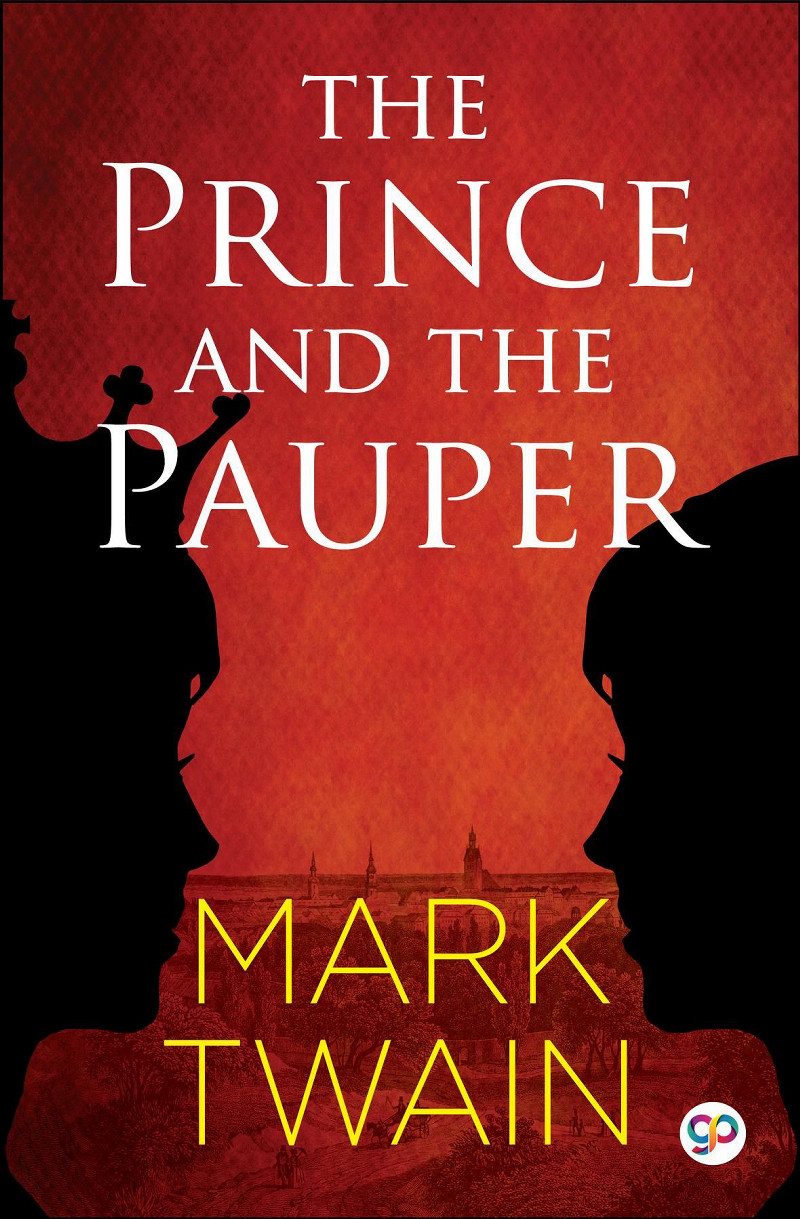
The Prince and the Pauper
The story revolves around two young boys who are identical in physical appearance: Tom Canty, a pauper, and Edward Tudor, Prince of Wales. The two boys trade places, leading to various adventures and highlighting the theme of social inequality.
- Published1881
- TypeNovel
- GenreAdventure, Humor, Historical fiction
- LanguageEnglish
- CharactersTom Canty, Edward Tudor, Miles Hendon, John Canty, Lady Jane Grey
About the Author

Mark Twain
Mark Twain, an iconic American author known for his wit, humor, and influential works like Tom Sawyer and Huckleberry Finn.
View Profile- OccupationAuthor
- FromUSA
-
Other Works
- The Innocents Abroad (1869)
- The Adventures of Tom Sawyer (1876)
- Life on the Mississippi (1883)
- Adventures of Huckleberry Finn (1884)
- A Connecticut Yankee in King Arthur's Court (1889)
- The Tragedy of Pudd'nhead Wilson (1894)