
Short Story: Viy
Overview
Nikolai Gogol's "Viy" is a darkly comic and terrifying tale set in the Ukrainian hinterlands, first published in 1835. It follows a theology student, Khoma Brut, whose reckless behavior and skepticism bring him into contact with old folk beliefs and murderous supernatural forces. The story blends pastoral detail, religious ritual, and grotesque horror, producing an atmosphere that is both strangely humorous and profoundly unsettling.
Plot
Khoma Brut is a rough, irreverent young seminarian who drinks and carouses in a small town. After offending a local girl who is secretly a witch, he is summoned to a nearby village to read prayers over her body, paid by the girl's wealthy parents to keep up appearances. Brought to the isolated church and left alone to conduct the vigil, Khoma finds himself besieged by nocturnal terrors that escalate night by night. The congregation of malevolent forces, led by hideous, unseen apparitions and marauding witches, prevents him from completing the rites and gradually wears down his strength and wits.
On the third night the horror reaches its climax: the monstrous Viy, a hulking being whose eyelids must be lifted to reveal a gaze so powerful it immobilizes and destroys, is roused. Khoma, lulled into a false hope by prayer and taunted by the infernal visitors, finally confronts the creature but is paralyzed by its stare. The supernatural attackers tear him to pieces at dawn; when villagers enter the church, they find his body mangled and his head thrown in a dung heap. The narrative closes with an eerie reversal of expectations, leaving the ordinary world unchanged but shadowed by what transpired.
Characters
Khoma Brut is central: a student of religion whose bluster masks fear and who oscillates between bravado and vulnerability. His lack of piety does not protect him from the consequences of offending ancient, folk-based powers. The dead girl, outwardly innocent, is revealed to be a witch whose nocturnal transformations and manipulations drive the plot. Peripheral figures, the priest, hired caretakers, and villagers, populate the setting but function mainly as foils and witnesses, emphasizing Khoma's isolation during the nights of terror.
Viy himself is less a fleshed-out character than an elemental force, emblematic of a monstrous eye that must be unveiled to unleash doom. The witches and demonic creatures are described in vivid, often grotesque detail, providing a chorus of malice that surrounds and breaks Khoma.
Themes and Mood
"Viy" explores the collision of official religion and archaic folk belief, showing how institutional piety can be impotent against older, subterranean anxieties. The story interrogates faith, fear, and the limits of human authority: ritual words and clerical training prove fragile when confronted by preternatural cunning. Gogol's tone moves between sardonic humor and outright horror, using earthy comedy to heighten the shock of the supernatural scenes.
The mood is claustrophobic and hallucinatory; the church becomes a theater of the uncanny where ordinary objects and rites are perverted. The tale questions the reliability of perception and the safety of social order, suggesting that beneath surface respectability lies a chaos that civilization cannot fully contain.
Legacy and Influence
"Viy" has become one of Gogol's most famous and frequently adapted stories, inspiring stage plays, films, and operatic treatments. Its striking imagery, especially the paralyzing gaze of Viy, has entered cultural memory as a symbol of inescapable, ancient evil. The story's blend of satirical edge and gothic terror influenced later Russian and Eastern European writers and remains a touchstone for explorations of folklore, faith, and fear.
Citation Formats
APA Style (7th ed.)
Viy. (2026, February 4). FixQuotes. https://fixquotes.com/works/viy/
Chicago Style
"Viy." FixQuotes. February 4, 2026. https://fixquotes.com/works/viy/.
MLA Style (9th ed.)
"Viy." FixQuotes, 4 Feb. 2026, https://fixquotes.com/works/viy/. Accessed 26 Mar. 2026.
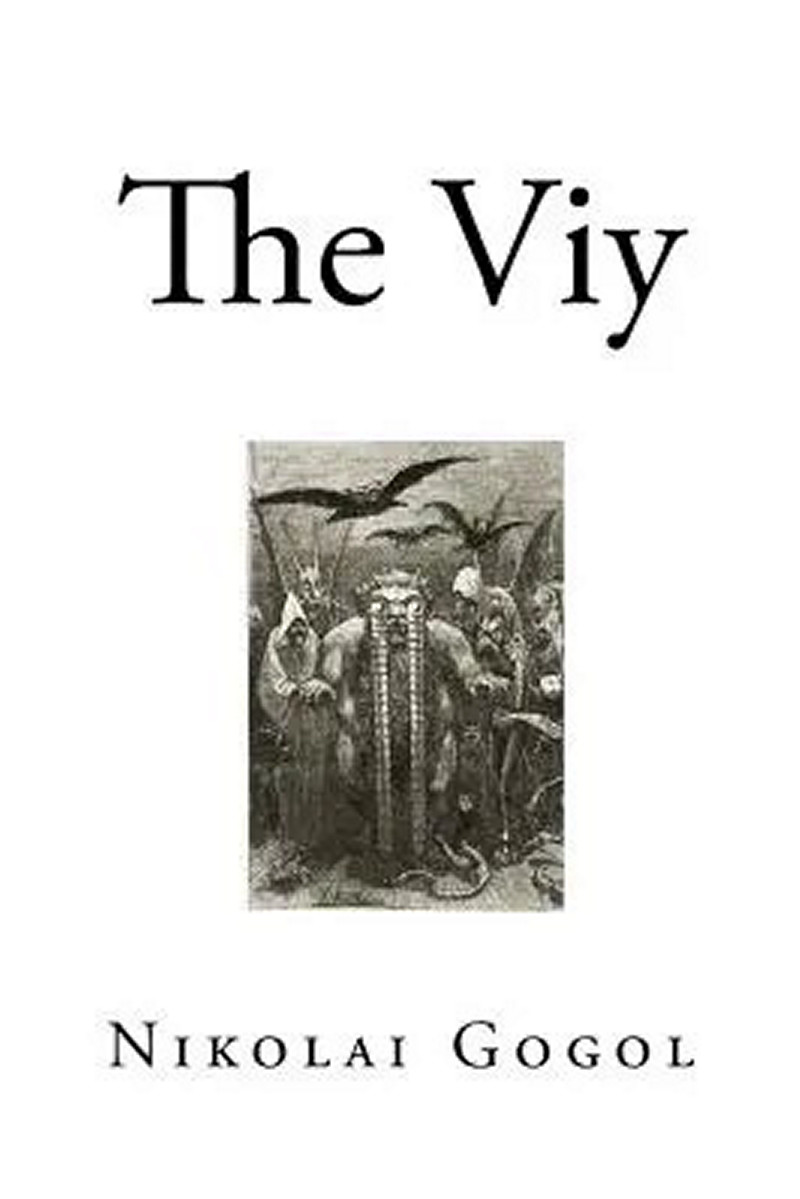
Viy
Original: Вий
Viy is a horror story about a theology student named Khoma, who is requested to read prayers over a dead girl who was secretly a witch. The story depicts his stay at the church in the company of the malevolent supernatural creatures.
- Published1835
- TypeShort Story
- GenreHorror, Supernatural
- LanguageRussian
- CharactersKhoma, Pannochka, Viy
About the Author

Nikolai Gogol
Nikolai Gogol. Discover his influence on literature through his unique storytelling and satirical style.
View Profile- OccupationWriter
- FromRussia
-
Other Works
- Diary of a Madman (1835)
- The Nose (1836)
- The Government Inspector (1836)
- Dead Souls (1842)
- The Overcoat (1842)