
Neville Marriner Biography Quotes 22 Report mistakes
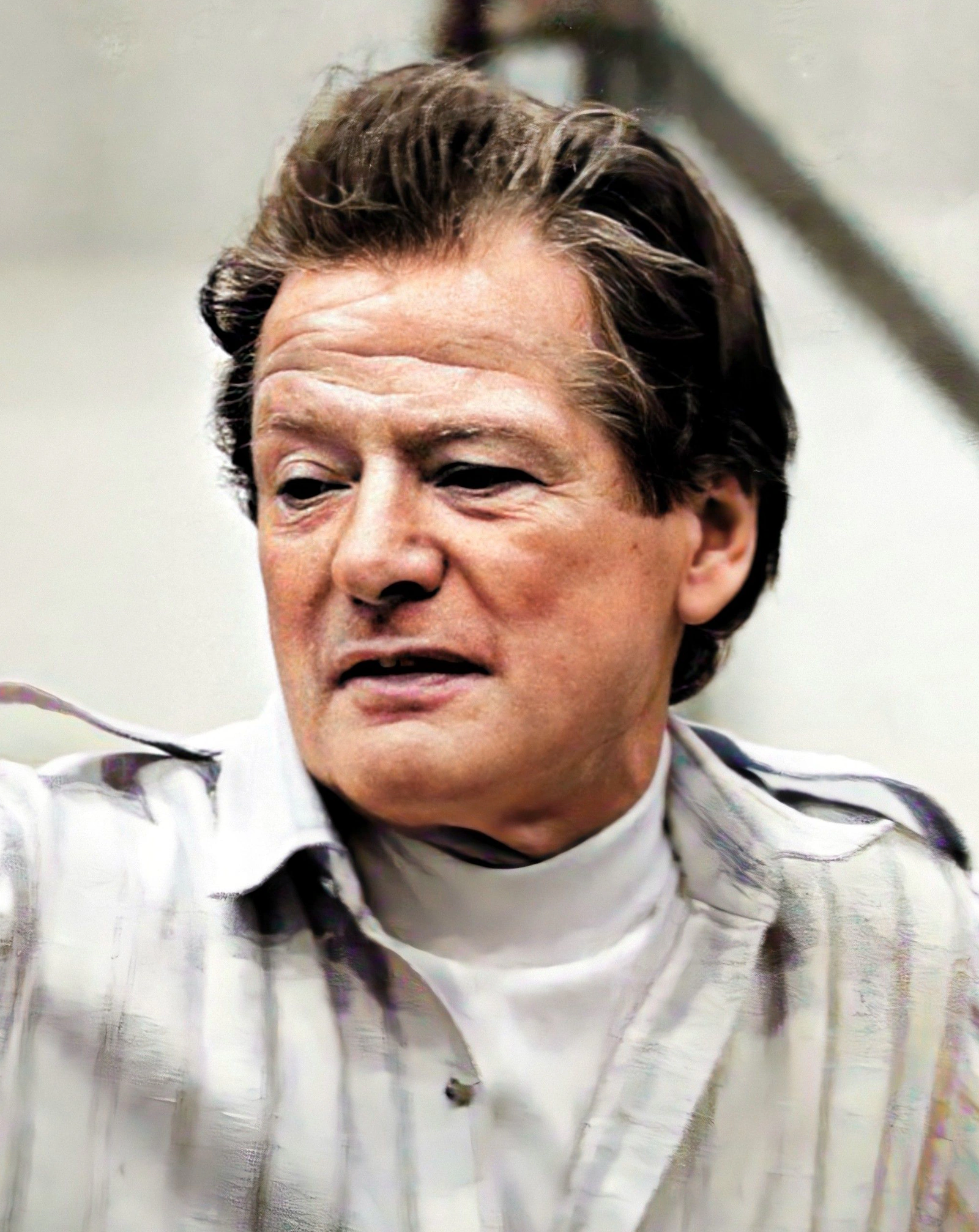
| 22 Quotes | |
| Known as | Sir Neville Marriner |
| Occup. | Musician |
| From | United Kingdom |
| Born | April 15, 1924 Brighton, England |
| Died | October 2, 2016 London, England |
| Aged | 92 years |
| Cite | |
Citation Formats
APA Style (7th ed.)
Neville marriner biography, facts and quotes. (2026, March 30). FixQuotes. https://fixquotes.com/artists/neville-marriner/
Chicago Style
"Neville Marriner biography, facts and quotes." FixQuotes. March 30, 2026. https://fixquotes.com/artists/neville-marriner/.
MLA Style (9th ed.)
"Neville Marriner biography, facts and quotes." FixQuotes, 30 Mar. 2026, https://fixquotes.com/artists/neville-marriner/. Accessed 1 Apr. 2026.
Early Life and Background
Neville Marriner was born in Lincoln, England, on April 15, 1924, into a household where music was not ornamental but structural. His father was a church organist and choirmaster, and the young Marriner absorbed the disciplined, communal side of music-making long before he became associated with polished international recordings. England between the wars still sustained a strong amateur and ecclesiastical musical culture, and Marriner's early world was shaped less by celebrity than by ensemble habit: rehearsal, blend, accuracy, and service to the score. That practical foundation mattered. Unlike later conductors who arrived through flamboyant pianism or composition, Marriner came out of the working bloodstream of British music.
His adolescence unfolded under the shadow of war, which sharpened his generation's sense that culture had to justify itself through seriousness and craft. He studied the violin early and gravitated toward the orchestral life rather than the soloist's isolated ascent. This was also the period in which Britain was rebuilding its musical institutions, creating space for performers who could combine technical excellence with organizational will. Marriner's personality - reserved, exacting, dryly witty, suspicious of unnecessary rhetoric - fit that world. He would remain, throughout his life, a musician who projected authority not by mystique but by steadiness, and whose inner life seemed organized around control, collegial trust, and the pursuit of clean musical truth.
Education and Formative Influences
He studied at Lincoln Grammar School and then at the Royal College of Music in London, where violin became his formal discipline, before further work in Paris with the celebrated teacher Rene Benedetti refined his style. War service in the British Army interrupted and hardened his development, but after 1945 he entered the top rank of British orchestral players, performing with the London Symphony Orchestra and then as a member of the Martin String Quartet and principal second violin in major London ensembles. These years were decisive: he learned repertoire from inside the section, watched conductors succeed and fail, and acquired a chamber musician's instinct for pulse, balance, and mutual listening. If his later podium manner could seem understated, it was because his authority had been earned from the desk outward. He was formed not by grand theory but by repeated contact with how musicians actually play together.
Career, Major Works, and Turning Points
Marriner's central act of creation came in 1958, when he founded the Academy of St Martin in the Fields as a self-governing chamber orchestra drawn from leading London freelancers. At first he led from the violin, without conductor, cultivating a lean, elegant, highly disciplined sound that became one of the signature timbres of postwar classical recording. The Academy flourished during the LP era and then globally through tours, broadcasts, and an immense discography ranging from Baroque concerti grossi and Mozart symphonies to modern British and 20th-century repertory. Marriner gradually moved from leader to conductor, guest-conducted major orchestras worldwide, and served in posts including music director of the Los Angeles Chamber Orchestra and later the Minnesota Orchestra. Knighted in 1985, he became one of the most recorded conductors in history. For mass audiences, his name became inseparable from the soundtrack to the 1984 film Amadeus, whose vivid, accessible performances helped define popular Mozart for a generation. Yet his true turning point was earlier and deeper: he proved that a chamber-sized ensemble, drilled to unanimity and stylistic alertness, could reshape mainstream expectations of orchestral clarity.
Philosophy, Style, and Themes
Marriner's musical philosophy grew from ensemble ethics rather than ideological manifestos. He distrusted possessive egotism and believed institutional health depended on shared responsibility. “We don't want other people poking into our artistic pie”. was not merely a defensive joke; it revealed a strong preference for artistic self-determination and a reluctance to let bureaucracy dilute musical standards. Likewise, “One thing we were looking for from the start was players who really fit together, who sounded in tune”. goes to the heart of his psychology. His ear was moral as much as technical: intonation, blend, and rhythmic accord were signs that individual ambition had been subordinated to a larger musical conscience. This helps explain why his best performances rarely feel narcissistic. They are controlled, lucid, and relational.
His style was often described as elegant, unfussy, and urbane, but beneath that surface lay a firm, even severe discipline. “So I think we got together as the Academy to give ourselves that sort of responsibility and to play well”. captures his lifelong belief that excellence begins in self-governance. He was not a revolutionary in the mold of period-instrument polemicists, yet he responded intelligently to changing styles, lightening textures and pruning romantic excess without abandoning modern instruments. His comments on language, vocal production, and orchestral size in interviews suggest a musician acutely attentive to physical means - how sound is actually made, and why some repertories demand different forces, colors, or articulations. The emotional world of his interpretations is therefore revealing: he tended toward proportion over abandon, vitality over weight, and transparency over metaphysical grandstanding. His inner life appears not cold but disciplined - animated by pleasure in order, by confidence in collegial craft, and by a deep conviction that fidelity can itself be expressive.
Legacy and Influence
Neville Marriner died on October 2, 2016, at ninety-two, leaving behind not only a vast recorded archive but a durable model of orchestral citizenship. He helped normalize a cleaner, more agile approach to core repertoire before historically informed practice had fully entered the mainstream, and he showed that a chamber orchestra could achieve global prestige without surrendering precision to scale. Generations of players passed through the Academy of St Martin in the Fields and absorbed his standards of punctuality, tuning, stylistic versatility, and professional mutual respect. His legacy endures in recordings of Mozart, Handel, Vivaldi, and many others, but also in a quieter inheritance: the idea that authority in music can be built from listening, that refinement need not mean blandness, and that a musician formed in the orchestra can become a world figure without ever ceasing to think like a colleague.
Our collection contains 22 quotes written by Neville, under the main topics: Witty One-Liners - Art - Friendship - Music - Change.
Source / external links