
Don Marquis Biography Quotes 40 Report mistakes
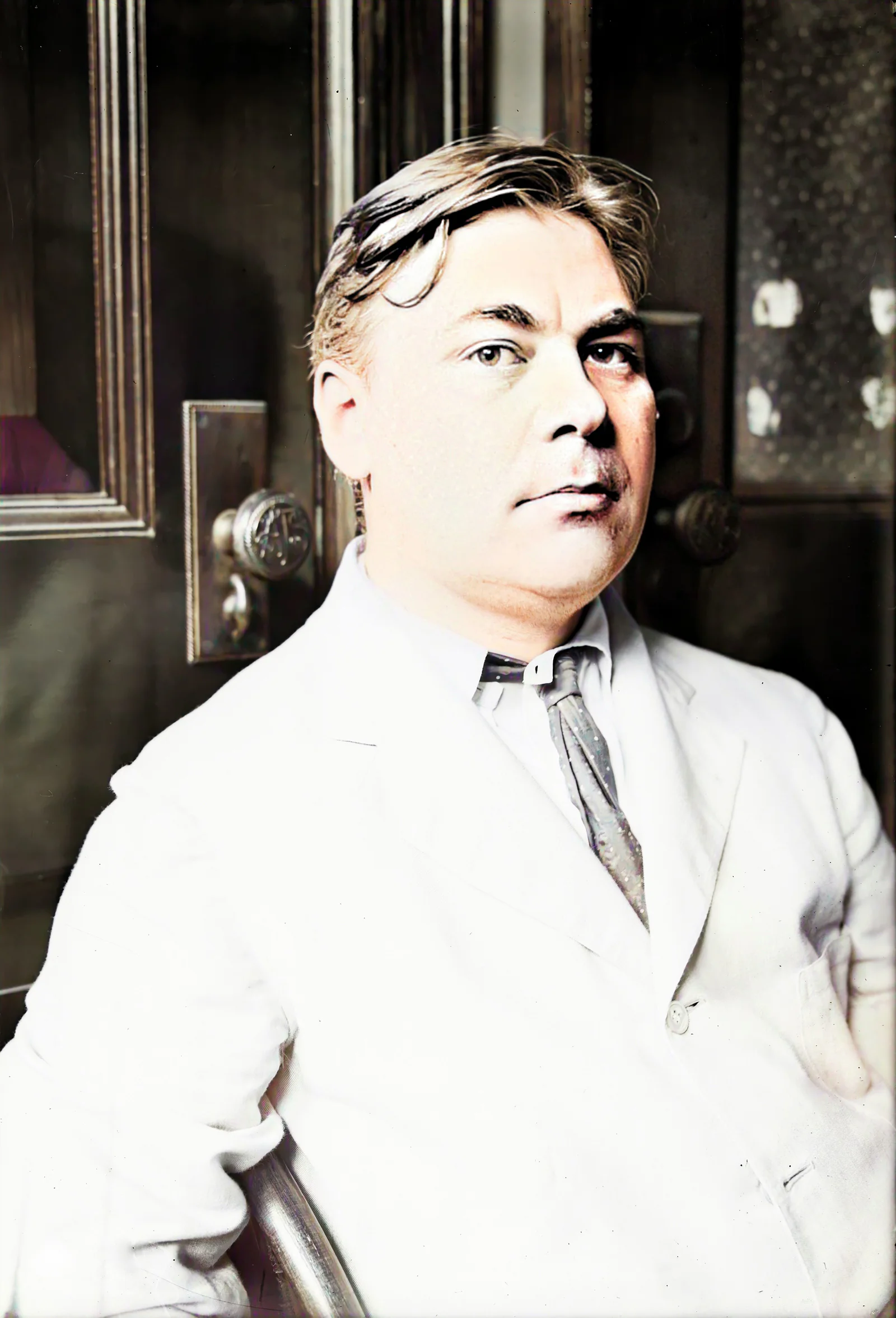
| 40 Quotes | |
| Born as | Donald Robert Perry Marquis |
| Occup. | Journalist |
| From | USA |
| Born | July 29, 1878 Walnut, Illinois, USA |
| Died | December 29, 1937 New York City, New York, USA |
| Cause | Stroke |
| Aged | 59 years |
| Cite | |
Citation Formats
APA Style (7th ed.)
Don marquis biography, facts and quotes. (2026, February 11). FixQuotes. https://fixquotes.com/authors/don-marquis/
Chicago Style
"Don Marquis biography, facts and quotes." FixQuotes. February 11, 2026. https://fixquotes.com/authors/don-marquis/.
MLA Style (9th ed.)
"Don Marquis biography, facts and quotes." FixQuotes, 11 Feb. 2026, https://fixquotes.com/authors/don-marquis/. Accessed 3 Mar. 2026.
Early Life and Background
Donald Robert Perry Marquis was born on July 29, 1878, in Walnut, Illinois, a small Midwestern town whose rhythms of churchgoing respectability, local politics, and neighborly scrutiny later became raw material for his satire. He grew up in a period when the United States was moving from rural life toward industrial modernity, and his humor would repeatedly probe the gap between what Americans said about themselves and what they did. Early loss marked him: his mother died when he was young, and the experience left him with a lifelong sensitivity to how adults manufacture optimism, duty, and moral certainty as defenses against disorder.Raised largely within a practical, civic-minded culture, Marquis learned early to read people as carefully as text - to note how reputations are built, how public virtue can be performed, and how language becomes a kind of social currency. That instinct, sharpened by the late-19th-century boom of newspapers and magazines, would make him a writer who understood America as a country perpetually explaining itself in print. Even in his earliest work, friends noticed a dry, controlled wit that could turn gentle scenes into quiet indictments without raising its voice.
Education and Formative Influences
Marquis attended Knox College in Galesburg, Illinois, where he wrote for student publications and absorbed both classical forms and the emerging American comic tradition, from Mark Twain to newspaper humorists who treated the city as a laboratory of types. He left college without graduating, a choice that reflected both financial reality and the pull of the newsroom, which at the time was becoming the most dynamic training ground for ambitious writers - fast, competitive, and hungry for voice.Career, Major Works, and Turning Points
He began in Midwestern journalism before moving east, working for papers including the Atlanta Constitution, and by 1912 he was at the New York Evening Sun, where his column became a fixture of metropolitan literary life. There, amid the churn of Broadway, publishing, and prewar politics, he created his most enduring inventions: Archy, a cockroach who types free-verse dispatches by hurling himself onto the keys, and Mehitabel, an alley cat with a battered credo of joy. The Archy and Mehitabel pieces, collected in volumes such as archy and mehitabel (1927), distilled New York's noise into fables about survival, vanity, and the comic stubbornness of consciousness. Marquis also wrote novels and plays, but it was the column - the daily pressure of making sense of yesterday's chaos - that shaped his mature voice and made him nationally read.Philosophy, Style, and Themes
Marquis wrote like a man who trusted observation more than ideology. His humor was rarely escapist; it was diagnostic, testing the sincerity of slogans and the moral bookkeeping of success. That skepticism appears in his best aphorisms, which treat American uplift as a story told by beneficiaries: “When a man tells you that he got rich through hard work, ask him: 'Whose?'”. Behind the joke is a journalist's instinct for hidden labor and social amnesia - an awareness that the bright narratives of progress often conceal exploitation, accident, or inherited advantage.As a craftsman, he understood the newspaper sentence as both weapon and compromise, a form forced to be quick yet memorable. He mocked the trade even as he mastered it: “The art of newspaper paragraphing is to stroke a platitude until it purrs like an epigram”. His columns perform that alchemy while also exposing it, showing how public language can be trained to sound wise without thinking deeply. Time, too, becomes a moral theme: deadlines, delay, and the human talent for self-excuse. “Procrastination is the art of keeping up with yesterday”. In Archy, especially, Marquis turns that insight inward - the small creature narrating grand thoughts - suggesting that intellect itself is often an improvisation after the fact, a late-arriving justification for instinct.
Legacy and Influence
Marquis died on December 29, 1937, in New York City, after decades spent translating American modern life into compact ironies. He helped define the newspaper column as a literary form and influenced later humorists who fused reportage with philosophical comedy, from mid-century magazine writers to contemporary satirists. Archy and Mehitabel endure because they are more than gimmicks: they are masks that let Marquis speak frankly about ambition, frailty, and the democratic comedy of the city. His best lines remain quotable not just for their snap, but because they preserve a particular kind of American intelligence - amused, alert, and unwilling to let comforting stories go unchallenged.Our collection contains 40 quotes written by Don, under the main topics: Witty One-Liners - Ethics & Morality - Wisdom - Writing - Deep.
Frequently Asked Questions
- Don Marquis pronunciation: Pronounced as 'Don Mar-kwis.'
- Don Marquis University of Kansas: He briefly attended but did not graduate.
- Don Marquis poems: He is famous for his humorous 'Archy and Mehitabel' series.
- Don Marquis Philosophy: He believed in humor and wit as vital expressions of human experience.
- Don Marquis death: Don Marquis died on December 29, 1937.
- How old was Don Marquis? He became 59 years old
Don Marquis Famous Works
- 1924 The Dark Hours (Poetry Collection)
- 1921 The Old Soak and Hail And Farewell (Book)
- 1916 The Cruise of the Jasper B (Novel)
- 1916 Danny's Own Story (Novel)
- 1916 archy and mehitabel (Book)
- 1916 Hermione and Her Little Group of Serious Thinkers (Book)
Source / external links