
Edmondo De Amicis Biography Quotes 1 Report mistakes
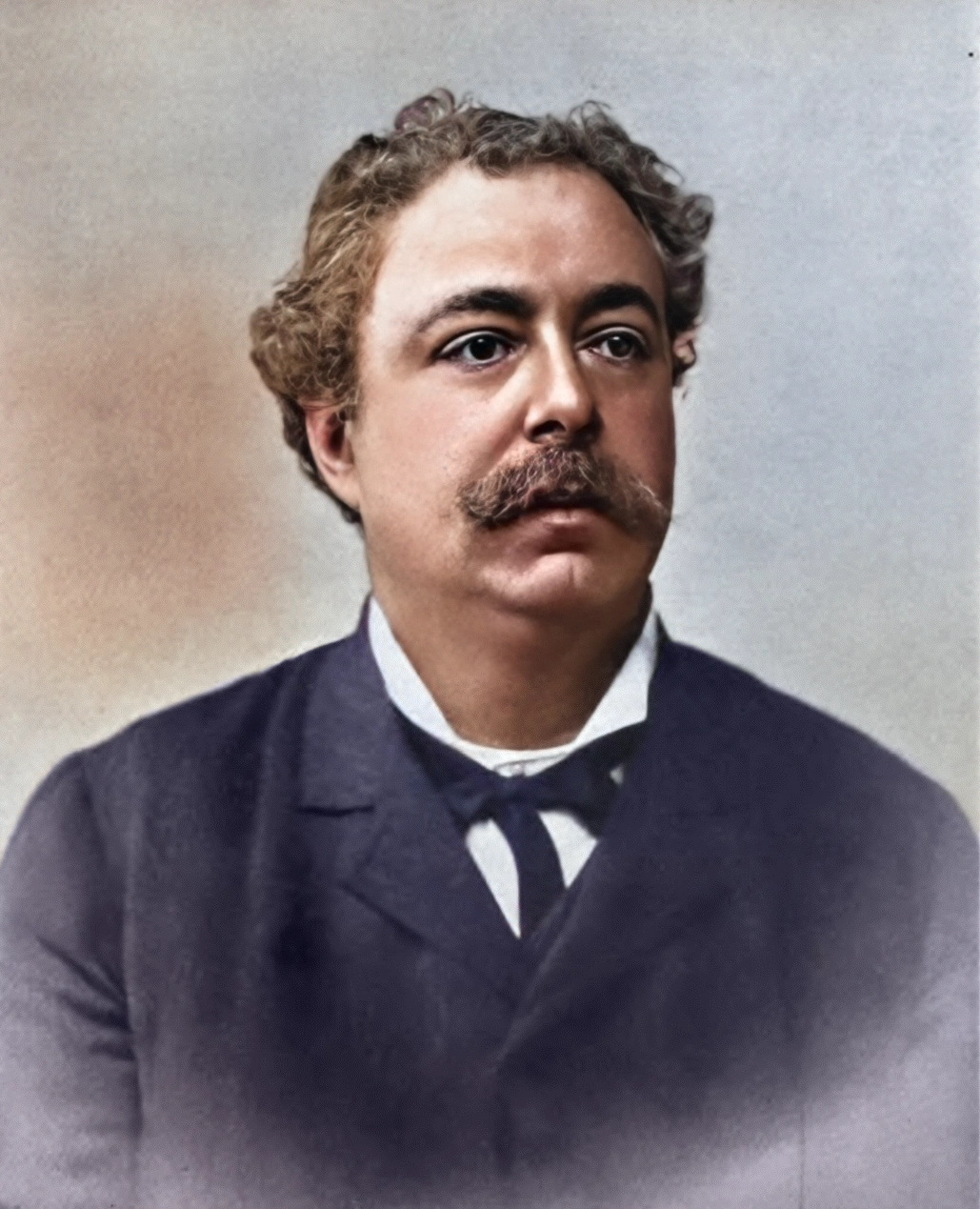
Attr: Schemboche, Turin, Public domain
| 1 Quotes | |
| Occup. | Novelist |
| From | Italy |
| Born | October 21, 1846 Oneglia, Liguria, Italy |
| Died | March 11, 1908 Rome, Italy |
| Cause | Heart attack |
| Aged | 61 years |
| Cite | |
Citation Formats
APA Style (7th ed.)
Edmondo de amicis biography, facts and quotes. (2026, February 11). FixQuotes. https://fixquotes.com/authors/edmondo-de-amicis/
Chicago Style
"Edmondo De Amicis biography, facts and quotes." FixQuotes. February 11, 2026. https://fixquotes.com/authors/edmondo-de-amicis/.
MLA Style (9th ed.)
"Edmondo De Amicis biography, facts and quotes." FixQuotes, 11 Feb. 2026, https://fixquotes.com/authors/edmondo-de-amicis/. Accessed 5 Mar. 2026.
Early Life and Background
Edmondo De Amicis was born on October 21, 1846, in Oneglia, a Ligurian town then in the Kingdom of Sardinia, into an Italy not yet unified but already vibrating with the promises and wounds of the Risorgimento. His father, a state official, gave him a model of duty and civic order; his coastal upbringing gave him the sea-road awareness of a country made of regions and dialects, later central to his vision of national belonging.When De Amicis came of age, the ideal of Italy was being forged not only by politicians and generals but also by teachers, journalists, and moralists who tried to make a people out of provinces. That context mattered: his lifelong preoccupation with how ordinary lives can be disciplined into solidarity - and how sentiment can be harnessed for public virtue - grew out of the pressure, common to his generation, to translate patriotic myth into everyday conduct.
Education and Formative Influences
He entered the Military Academy of Modena and was commissioned as an officer, learning the rhetoric of honor and the mechanics of state-building at the very moment they were being tested in war. The army trained his eye for hierarchy and ritual, but it also exposed him to the costs of national ambition; after witnessing the 1866 campaign (including the Battle of Custoza), he turned increasingly toward writing, finding in prose a way to continue serving Italy without wearing a uniform.Career, Major Works, and Turning Points
Leaving active service, De Amicis became a journalist and quickly a celebrated travel writer, publishing works that combined descriptive clarity with civic pedagogy, notably the sketches later collected as Spagna and similar volumes on European cities and manners. His decisive turn came with Cuore (Heart, 1886), a schoolboy diary framed by teachers letters and monthly tales, designed to teach empathy, discipline, and national identity to a mass reading public in newly unified Italy; the books immense reach made him one of the eras most influential popular moralists. In the 1890s he moved toward explicit social critique, joining the socialist movement and culminating in the novel Primo Maggio (published posthumously), while continuing to write essays and narratives that wrestled with poverty, labor, and the ethics of modern citizenship; he died in Bordighera on March 11, 1908.Philosophy, Style, and Themes
De Amicis wrote as a builder of consciences. His style is lucid, reportorial, and intentionally accessible, often arranging scenes so that emotion becomes a civic instrument: the tear is never merely private, it is meant to be educational. Even in travel writing, observation tends to tilt toward moral inference - what a street, a classroom, or a barracks reveals about the possibility of a more coherent, more humane Italy. That mission produced both his power and his controversy: admirers saw democratic tenderness; critics saw sentimentality deployed as soft coercion.Psychologically, he was drawn to the boundary between inner feeling and social role, especially where love, family, and gender become tests of self-command. “A woman is always a mystery: one must not be fooled by her face and her hearts inspiration”. The line exposes a temperament wary of surfaces, alert to self-deception, and quietly anxious about the opacity of other minds - an anxiety that mirrors the problem Cuore tries to solve by making the nation legible through staged acts of kindness and sacrifice. His later socialism did not cancel the earlier moralism so much as redirect it: the same impulse to form character became a demand that institutions stop treating the weak as expendable. Across his work runs a persistent question: can empathy be taught without turning it into obedience, and can private tenderness survive when pressed into public duty?
Legacy and Influence
De Amicis endures as one of the key interpreters of post-unification Italys emotional pedagogy, a writer who helped standardize a national moral vocabulary at the level of children, parents, and teachers. Cuore became a cultural phenomenon, translated widely and adapted repeatedly, shaping schoolroom ideals of sacrifice and solidarity well beyond Italy, even as later readers argued over its politics and sentiment. His arc from officer to journalist to socialist novelist also offers a compressed portrait of his era: the passage from nationalist construction to social question, from military unity to the harder work of justice - a passage his life, and his most famous book, made unforgettable.Our collection contains 1 quotes written by Edmondo, under the main topics: Romantic.
Edmondo De Amicis Famous Works
- 1886 Heart (Novel)
- 1875 Morocco (Book)
- 1871 Holland and its People (Book)
- 1868 Military Life (Book)
- 1866 Memories (Book)
Source / external links