
Fred Korematsu Biography Quotes 11 Report mistakes
| 11 Quotes | |
| Occup. | Celebrity |
| From | USA |
| Born | January 30, 1919 Oakland, California |
| Died | March 30, 2005 |
| Aged | 86 years |
| Cite | |
Citation Formats
APA Style (7th ed.)
Fred korematsu biography, facts and quotes. (2026, February 11). FixQuotes. https://fixquotes.com/authors/fred-korematsu/
Chicago Style
"Fred Korematsu biography, facts and quotes." FixQuotes. February 11, 2026. https://fixquotes.com/authors/fred-korematsu/.
MLA Style (9th ed.)
"Fred Korematsu biography, facts and quotes." FixQuotes, 11 Feb. 2026, https://fixquotes.com/authors/fred-korematsu/. Accessed 12 Feb. 2026.
Overview
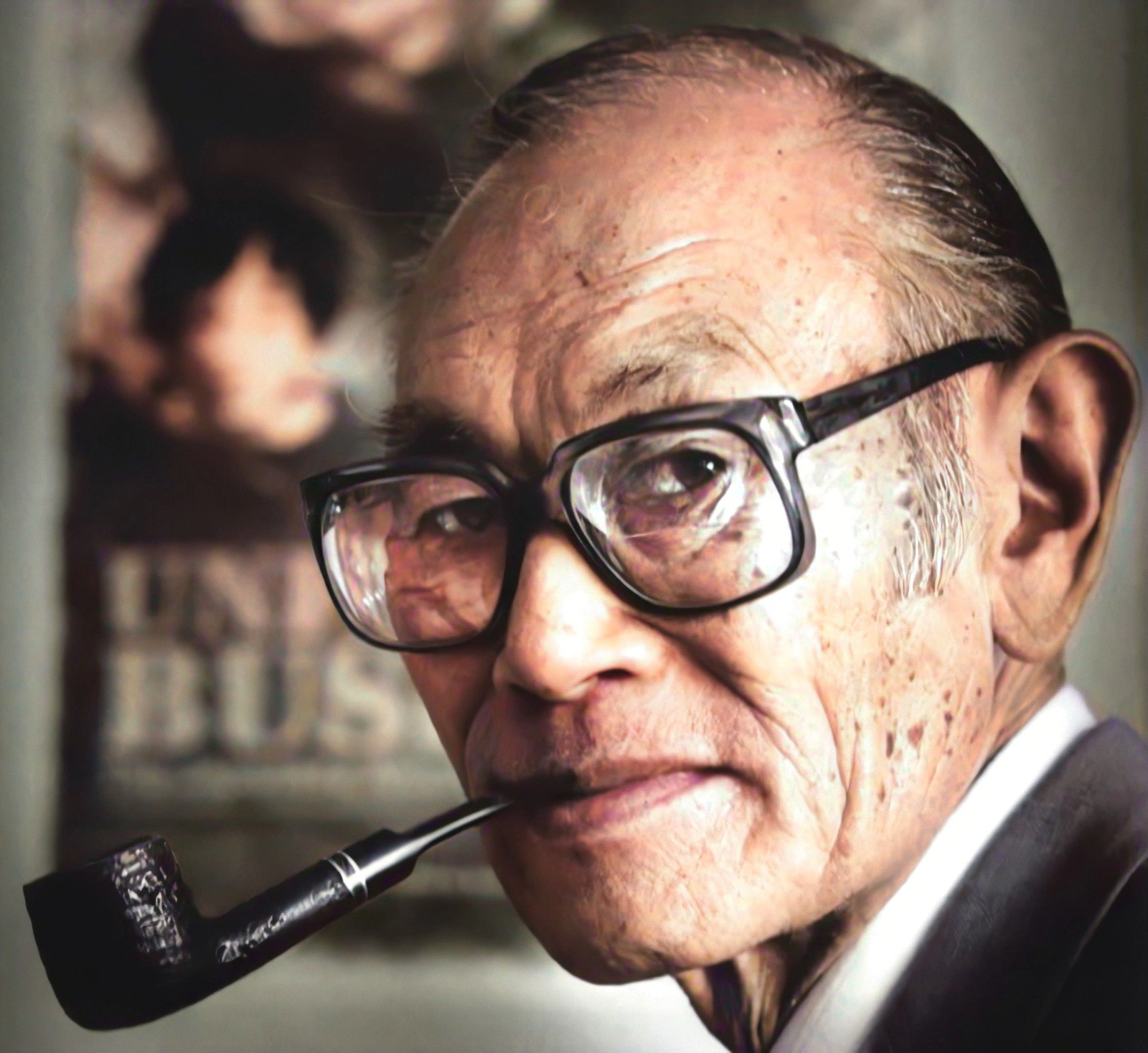
Fred T. Korematsu (1919, 2005) was a Japanese American civil rights advocate whose name became synonymous with the constitutional struggle against mass wartime incarceration. Best known for Korematsu v. United States (1944), he challenged the government's World War II removal and detention policies under Executive Order 9066. Though the Supreme Court upheld his conviction during the war, his case was later reopened and his conviction vacated, transforming him from a criminal defendant into a national symbol of dissent against race-based government actions.Early Life
Korematsu was born in Oakland, California, to Japanese immigrant parents who operated a nursery business and raised their family in the East Bay. Like many children of immigrants, he grew up navigating both American public life and a community shaped by immigrant traditions, confronting everyday racial discrimination that circumscribed jobs, housing, and civic belonging for Japanese Americans. Before the war, he worked in skilled labor, learning practical trades that would later support him when he relocated to the Midwest.Wartime Context and Defiance
After Japan's attack on Pearl Harbor, President Franklin D. Roosevelt signed Executive Order 9066, authorizing military authorities under General John L. DeWitt to exclude people of Japanese ancestry from the West Coast. Fred Korematsu refused to comply with the exclusion orders that forced Japanese Americans to leave their homes for assembly centers and incarceration camps. Arrested and prosecuted, he was convicted in federal court for violating the military exclusion. The American Civil Liberties Union of Northern California, led by Ernest Besig, supported his legal challenge, arguing that the removal policies were unconstitutional. Like Gordon Hirabayashi and Minoru Yasui, whose cases also reached the Supreme Court, Korematsu insisted that citizenship could not be erased by ancestry.Supreme Court Decision
In 1944, the Supreme Court, in an opinion associated with Justice Hugo Black, upheld Korematsu's conviction by deferring to wartime military judgments. Powerful dissents by Justices Robert Jackson, Frank Murphy, and Owen Roberts condemned the decision as a grave departure from constitutional principles, highlighting the absence of individualized suspicion and the dangers of racial generalization. On the same day, the Court decided Ex parte Endo, limiting the government's authority to detain loyal citizens. Nevertheless, the ruling bearing Korematsu's name stood as a precedent used to justify broad wartime powers, even as it became a cautionary tale in constitutional law classrooms and civil liberties debates.Camp Life and Postwar Years
Following his conviction, Korematsu was sent to the Tanforan Assembly Center and later incarcerated at the Topaz War Relocation Center in Utah, where he lived behind barbed wire alongside other Japanese American families uprooted from the West Coast. After the war, he sought work away from the prejudice that had driven his community into confinement, relocating to Detroit. There he married Kathryn, with whom he built a family that eventually included their children, Karen and Ken. Returning to the San Francisco Bay Area, he lived for decades largely outside the public eye, working steadily and focusing on family life while the wartime cases remained on the books.Reopening the Case and Vacatur
In the early 1980s, archival discoveries by researcher Aiko Herzig-Yoshinaga and legal historian Peter Irons revealed government documents that had been suppressed or misrepresented during the wartime litigation, undermining claims of military necessity. With this new evidence, a volunteer legal team led by attorneys Dale Minami, Don Tamaki, and Lorraine Bannai filed a petition for a writ of coram nobis in federal court to overturn Korematsu's conviction. In 1983, Judge Marilyn Hall Patel of the U.S. District Court for the Northern District of California vacated the conviction, recognizing that the government had failed in its duty of candor to the Court. The moment was both personal vindication and a watershed in American legal history. Similar relief later came for the other wartime resisters, underscoring that the original rulings rested on flawed premises and withheld evidence.Public Advocacy and Recognition
After his conviction was vacated, Korematsu embraced a public role, speaking to students, lawyers, and policymakers about the cost of prejudice and the importance of constitutional safeguards. He supported the redress movement that culminated in the Civil Liberties Act of 1988, which acknowledged the injustice of the wartime incarceration and provided a formal apology and reparations. In 1998, President Bill Clinton awarded him the Presidential Medal of Freedom, the nation's highest civilian honor, recognizing his courage in standing against wartime hysteria and his decades-long commitment to civil rights. Following the attacks of September 11, 2001, he warned against repeating history and participated in legal efforts as a friend of the court in cases concerning detention and due process, urging vigilance against policies targeting people based on ancestry or faith.Legacy
Korematsu's story continues through the work of his family, including his daughter, Karen, who has championed education about civil liberties, and through the efforts of his legal collaborators and community advocates who helped correct the historical record. Law schools teach his case as a pivotal example of how courts should scrutinize race-based government actions, and civil rights groups cite his experience when arguing against deference that eclipses constitutional protections. Years after his death in 2005, the Supreme Court explicitly repudiated the 1944 decision, signaling a broad recognition that the wartime ruling was incompatible with constitutional equality and liberty. For many Americans, Fred Korematsu stands as a reminder that one person's refusal to surrender basic rights can help reshape the law, and that the meaning of citizenship is measured not only by loyalty in war, but by the courage to demand justice in peace.Our collection contains 11 quotes written by Fred, under the main topics: Justice - Freedom - Equality - Human Rights - Perseverance.
Other people related to Fred: Roger Nash Baldwin (Activist)
Source / external links