
Judith Viorst Biography Quotes 12 Report mistakes
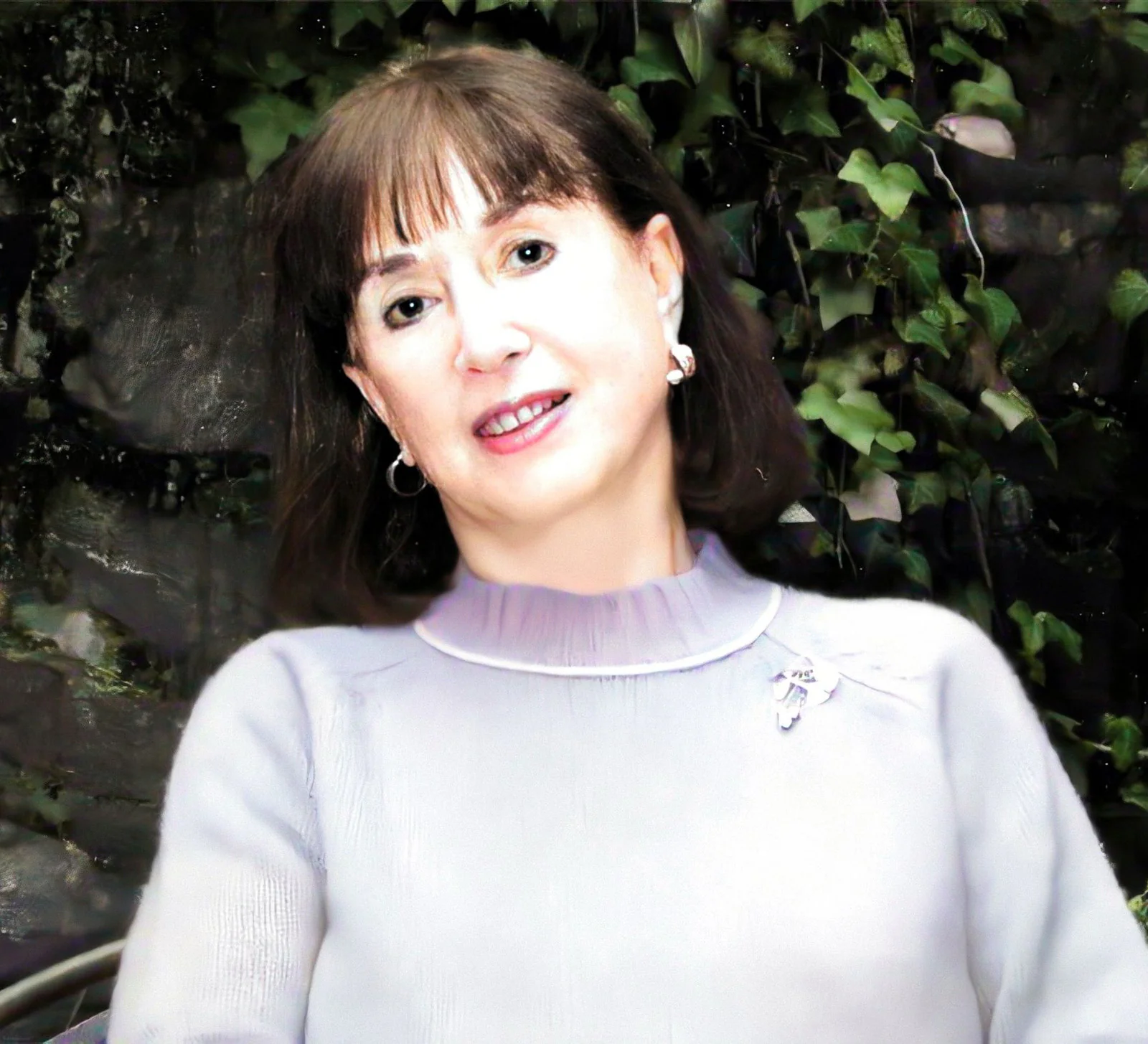
| 12 Quotes | |
| Occup. | Author |
| From | USA |
| Born | February 2, 1931 |
| Age | 95 years |
| Cite | |
Citation Formats
APA Style (7th ed.)
Judith viorst biography, facts and quotes. (2026, February 2). FixQuotes. https://fixquotes.com/authors/judith-viorst/
Chicago Style
"Judith Viorst biography, facts and quotes." FixQuotes. February 2, 2026. https://fixquotes.com/authors/judith-viorst/.
MLA Style (9th ed.)
"Judith Viorst biography, facts and quotes." FixQuotes, 2 Feb. 2026, https://fixquotes.com/authors/judith-viorst/. Accessed 6 Mar. 2026.
Early Life and Background
Judith Viorst was born on February 2, 1931, in Newark, New Jersey, into a Jewish family shaped by Depression-era pragmatism and the pressure to "make something" of yourself in a country that rewarded polish, ambition, and assimilation. Growing up as World War II and its aftermath reordered American life, she absorbed the rhythms of a home that prized stability while quietly generating the anxieties that later powered her comic candor - about marriage, parenting, friendship, and the precarious business of being a self.Her early sensibility formed in an America newly confident and newly conformist: suburbs, mass media, and the ideal of the cheerful nuclear family. That cultural script became one of her lifelong subjects, not as a manifesto but as a daily theater of hopes and resentments, tenderness and irritation. Even before her best-known books, she had an instinct for the private sentence that people do not say aloud, and for the humor that can be both confession and shield.
Education and Formative Influences
Viorst attended Rutgers University and later earned a master's degree in education from Columbia University. The combination mattered: Rutgers gave her a broad liberal-arts footing, while Columbia's education training immersed her in how children learn, misread, worry, and persevere - an observational discipline that later fed both her children's writing and her adult essays. She also matured during the rise of mid-century magazine culture, when the essay and personal column became a national confessional, and when women's interior lives were increasingly negotiated between domestic expectation and professional aspiration.Career, Major Works, and Turning Points
She began publishing poetry and writing for magazines, eventually becoming widely read for her humorous, sharply observant essays on family life, especially in collections such as "When I Was a Child I Read Books" (1969), "It's Hard to Be Hip Over Thirty" (1971), and "Necessary Losses" (1986), which broadened her audience beyond comedy into emotionally serious nonfiction about the losses that accompany development. In children's literature she became a household name with "Alexander and the Terrible, Horrible, No Good, Very Bad Day" (1972), a book whose plainspoken catastrophe of an ordinary day gave children a rare permission: you can be furious, disappointed, and still be loved. Across decades she sustained parallel careers - the intimate essayist and the children's author - each sharpening the other, as her adult work learned clarity from writing for kids, and her children's work gained psychological accuracy from adult self-scrutiny.Philosophy, Style, and Themes
Viorst's central gift is to treat ordinary domestic life as a site of real psychological drama without inflating it into melodrama. Her style is conversational but architected - quick setups, precise reversals, a punch line that lands like recognition rather than cruelty. Beneath the comedy sits an ethical realism: she refuses fantasies of perfect spouses, perfect selves, or perfect families, and she writes as if maturity means surrendering the hope of control while keeping the capacity for affection.Her psychology is clearest in her insistence that love is not a continuous feeling but a practice that survives fluctuation and fatigue. “One advantage of marriage is that, when you fall out of love with him or he falls out of love with you, it keeps you together until you fall in again”. That sentence captures her pragmatic romanticism - commitment as a structure that protects tenderness from the weather of moods. She extends the same unsentimental mercy to parenting: “We will have to give up the hope that, if we try hard, we somehow will always do right by our children. The connection is imperfect. We will sometimes do wrong”. Here the humor thins into something like moral instruction: accept fallibility, repair what you can, and stop demanding sainthood from yourself. And when she turns to friendship, she frames it as both pleasure and formation, a source of meaning that counters the isolations of adult life: “Close friends contribute to our personal growth. They also contribute to our personal pleasure, making the music sound sweeter, the wine taste richer, the laughter ring louder because they are there”. In Viorst's work, these themes triangulate - marriage, parenthood, friendship - each testing the self, each saving it.
Legacy and Influence
Judith Viorst endures because she normalized an intelligent, funny, emotionally exact American voice that speaks from inside the home without being confined by it. For children, "Alexander" remains a classic of validated feelings, a story that models resilience without preaching. For adults, her essays and books - especially "Necessary Losses" - helped generations name the grief hidden inside growing up: the shedding of illusions, roles, and certain versions of love. Her influence is visible in later personal essayists and humorists who treat the everyday as a serious subject, and in writers of children's realism who trust that honesty, delivered with warmth, is a form of care.Our collection contains 12 quotes written by Judith, under the main topics: Witty One-Liners - Friendship - Love - Dark Humor - Parenting.
Judith Viorst Famous Works
- 2010 Lulu and the Brontosaurus (Book)
- 1999 Super-Completely and Totally the Messiest! (Book)
- 1993 Earrings! (Book)
- 1986 Necessary Losses (Book)
- 1972 Alexander and the Terrible, Horrible, No Good, Very Bad Day (Book)
- 1971 The Tenth Good Thing About Barney (Book)
Source / external links