
Samuel Goldwyn Biography Quotes 46 Report mistakes
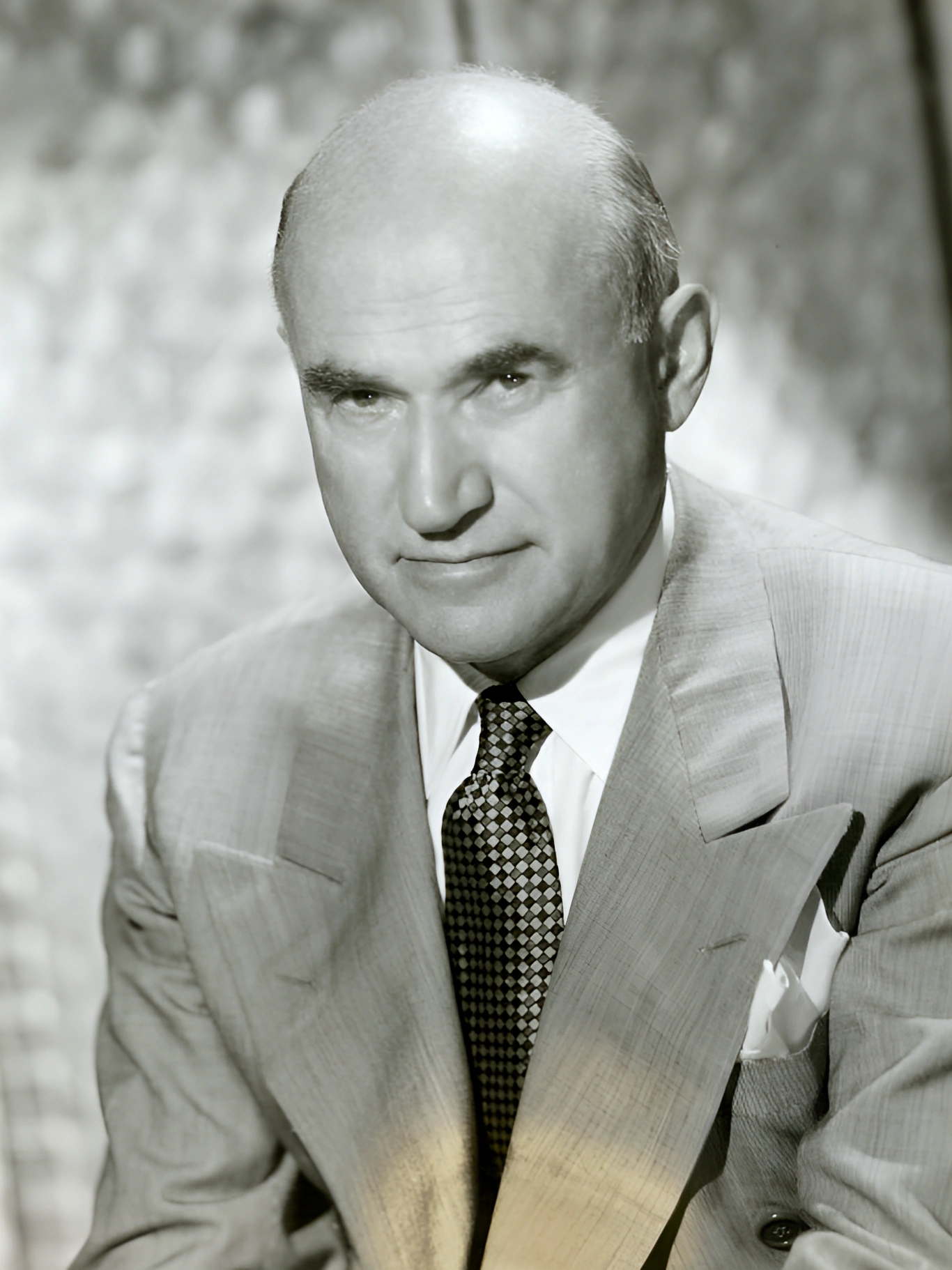
| 46 Quotes | |
| Born as | Szmuel Gelbfisz |
| Known as | Samuel Goldfish |
| Occup. | Producer |
| From | USA |
| Born | August 17, 1882 Warsaw, Poland |
| Died | January 31, 1974 Los Angeles, California, USA |
| Aged | 91 years |
| Cite | |
Citation Formats
APA Style (7th ed.)
Samuel goldwyn biography, facts and quotes. (2026, February 11). FixQuotes. https://fixquotes.com/authors/samuel-goldwyn/
Chicago Style
"Samuel Goldwyn biography, facts and quotes." FixQuotes. February 11, 2026. https://fixquotes.com/authors/samuel-goldwyn/.
MLA Style (9th ed.)
"Samuel Goldwyn biography, facts and quotes." FixQuotes, 11 Feb. 2026, https://fixquotes.com/authors/samuel-goldwyn/. Accessed 12 Feb. 2026.
Early Life and Background
Samuel Goldwyn was born Szmuel Gelbfisz on August 17, 1882, in Warsaw in the Russian Empire (today Poland), into a Jewish family shaped by the pressures of poverty, antisemitism, and limited legal horizons. His early years coincided with mass Eastern European migration and the upheavals that pushed ambitious young men to imagine lives beyond empire and ghetto walls. In later self-mythmaking he favored the American story of reinvention, but the core fact remained: he began with little more than stamina, street sense, and a ferocious desire not to be trapped by circumstance.He left home as a teenager and moved west through Europe before crossing the Atlantic, eventually reaching the United States and remaking himself in the vernacular of the new century. The journey was not a single heroic leap so much as a long apprenticeship in hustle - boardinghouses, sales floors, cramped cities, and the emotional discipline of the outsider. By the time he arrived, the American economy was expanding, mass entertainment was emerging, and the nickelodeon age was about to become an industry.
Education and Formative Influences
Goldwyn had little formal schooling and treated experience as his real curriculum: first as a glove salesman, then as a sharp observer of what Americans would pay to see, wear, and dream about. He learned English imperfectly and never stopped mangling it, yet he understood something more important than grammar - the rhythms of persuasion, the need for spectacle, and the leverage of confidence. The early film world also offered a rare meritocracy for immigrants: you did not need pedigree if you could assemble capital, talent, and nerve.Career, Major Works, and Turning Points
In the 1910s he pushed from exhibition and distribution into production, co-founding the Jesse L. Lasky Feature Play Company, then helping form Famous Players-Lasky (a key precursor to Paramount). In 1916 he joined with Edgar and Archibald Selwyn to create the Goldwyn Pictures Corporation, fusing his name with theirs and making "Goldwyn" a brand; after corporate battles he lost control and, in 1924, joined briefly in the creation of Metro-Goldwyn-Mayer - a studio that kept his name even after he was forced out. The defining turn came when he became an independent producer, staking everything on taste, packaging, and relentless development rather than studio security. From the late 1930s through the 1950s his banner delivered prestige and box office: Wuthering Heights (1939), The Little Foxes (1941), The Best Years of Our Lives (1946), and later Guys and Dolls (1955), all shaped by his reputation for exacting scripts, star power, and advertising muscle.Philosophy, Style, and Themes
Goldwyn's public persona mixed tycoon swagger with anxious craftsmanship. He distrusted vague assurances and treated business as a discipline of proof, captured in his famous warning, "A verbal contract isn't worth the paper it's written on". That line was less comedy than autobiography: as an immigrant who had repeatedly been squeezed out of companies bearing his own name, he turned paperwork, leverage, and ownership into emotional armor. His independence was therefore not only an aesthetic stance but a psychological necessity - a refusal to be outmaneuvered again by insiders.His work habits were equally revealing. "The harder I work, the luckier I get". The aphorism frames success as manufactured fate, a credo well-suited to a producer who could not rely on inherited networks. Goldwyn pursued "quality" pictures, but quality to him meant expensive development, prominent writers, meticulous casting, and relentless preview-driven revision - a style that sometimes exhausted collaborators yet often produced unusually polished mainstream films. He also kept a hard, almost democratic realism about audiences: "If people don't want to go to the picture, nobody can stop them". Beneath the bluster was an acknowledgment of vulnerability - that even the most powerful producer ultimately answered to ticket buyers, and that control in Hollywood was always partial, negotiated, and temporary.
Legacy and Influence
Goldwyn died on January 31, 1974, in Los Angeles, having lived long enough to see the studio system wane and the producer re-emerge as a central authorial force in a new corporate Hollywood. His legacy is double-edged and enduring: he helped industrialize feature filmmaking, modeled the independent producer as brand and quality-control engine, and left behind a canon of prestige pictures that shaped mid-century American screen acting and storytelling. Just as lasting is the cultural figure of "Goldwyn" himself - the immigrant mogul who fought for autonomy, minted quotable wisdom, and proved that in Hollywood a name could become a studio, a standard, and a legend even when the man had to fight to keep it.Our collection contains 46 quotes written by Samuel, under the main topics: Witty One-Liners - Motivational - Wisdom - Love - Writing.
Other people related to Samuel: Cecil B. DeMille (Producer), Howard Hawks (Director), Tony Goldwyn (Actor), Anzia Yezierska (Novelist), Ronald Colman (Actor), Sam Wood (Director), Teresa Wright (Actress), Sam Goldwyn (Businessman), Robert E. Sherwood (Playwright), William Wyler (Director)