"We advised them to do what they think proper against the war"
About this Quote
Hanoi Hannah’s statement, “We advised them to do what they think proper against the war,” offers a glimpse into the psychological strategies used during the Vietnam War, particularly broadcast propaganda aimed at American soldiers. By invoking the phrase "do what they think proper", Hannah appeals to the individual conscience and agency of her listeners. Rather than issuing direct orders or demands, she frames resistance as a matter of personal morality and choice. This approach attempts to sow doubt within the ranks, encouraging soldiers to question the legitimacy of their involvement and the orders they receive.
By positioning the advice as reasonable and tailored to each individual’s sense of right and wrong, Hannah sidesteps direct confrontation and instead subtly undermines the authority of military leadership. Her message capitalizes on the growing antiwar sentiment within the United States during that era, echoing doubts that many soldiers and civilians already felt. The phrase is non-specific, purposefully open-ended, inviting each listener to interpret "proper" action in their own terms: whether that might mean refusing to fight, protesting, deserting, or even simply questioning their mission.
Psychologically, such messaging leverages the power of self-doubt and introspection. It acknowledges the internal conflicts faced by soldiers far from home, fighting in a controversial war. It also reflects broader propaganda strategies that relied on empathy, perceived understanding, and respect for autonomy rather than overt threats. The calculated vagueness of the language serves to plant a seed of hesitation, aiming to make each soldier feel understood and validated, which can profoundly affect morale and cohesion.
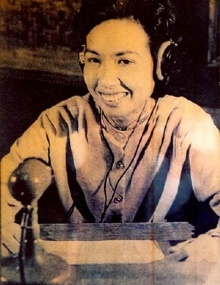
Hannah’s broadcasts were famous not only for their dissemination of information but for their skillful manipulation of emotion and reason. This particular statement encapsulates that approach, representing both an offer of solidarity with dissenters and a challenge to the ethical foundation of the war effort itself. The message’s potency lies in its apparent reasonableness and its invitation to personal reflection, making it a subtle yet powerful tool of influence.
About the Author