
Book: The New Kid on the Block
Overview
Jack Prelutsky's The New Kid on the Block is a lively collection of humorous poems aimed at children, first published in 1984. The book brings together a variety of short, memorable verses that celebrate the absurd, the affectionate, and the delightfully unexpected. Each poem snaps with energetic rhyme and a knack for surprise, making the collection an inviting read for both young listeners and adult readers.
The poems cover everyday moments and flights of fancy with equal enthusiasm, moving from schoolyard scenes to peculiar creatures and domestic oddities. The title poem captures the awkward, funny reality of being different and trying to fit in, and many other pieces echo that blend of gentle sympathy and playful mockery.
Style and Language
Prelutsky's voice is witty, rhythmic, and conversational, favoring clear beats and catchy end rhymes that invite recitation. His language is accessible but inventive, often twisting familiar phrases into delightful, unexpected images. Contractions, invented words, and brisk cadences make the poems particularly suited to read-aloud performance; they reward repeated readings and encourage children to anticipate rhymes and join in.
Sound play, internal rhyme, alliteration, and sly puns, permeates the collection, giving each short poem the feel of a miniature comic sketch. Even when the subject is ordinary, the diction and turns of phrase lift it into comic territory, and the poems balance humor with a warm, nonjudgmental sensibility.
Themes and Tone
The collection explores themes that resonate with children: belonging and difference, curiosity about animals and other people, the silliness of grown-up habits, and the pleasures and minor catastrophes of everyday life. Prelutsky often frames small anxieties, new schools, strange neighbors, spooky noises, in ways that transform worry into laughter, making emotions manageable rather than frightening.
Tone is mischievous more than mean-spirited; the poems poke fun at human foibles and silly monsters with affection rather than cruelty. Underneath the jokes there is a steady respect for a child's perspective and imagination, so the humor feels inclusive, helping readers see the world through a lens where oddness is charming and language itself can be a source of delight.
Illustrations and Presentation
Endearing, lively illustrations accompany many of the poems, echoing and expanding the book's comic energy. The artwork tends toward expressive characters and humorous visual details that parallel Prelutsky's verbal jokes, giving young readers another layer of access to the poems' moods and punchlines. Illustrations help orient readers to the scenes and amplify the intended tone, whether it's mischievous, spooky-fun, or tender.
The book's layout and short poem lengths make it ideal for storytime, classroom use, or independent dipping-in. Pictures break up the text attractively, and the interplay of image and verse supports comprehension for early readers while also rewarding older children who appreciate clever wordplay.
Appeal and Uses
The New Kid on the Block remains a crowd-pleaser for its combination of laugh-out-loud moments and subtle linguistic craft. It works well as a first poetry book for children, as material for read-alouds and dramatized recitations, and as a resource for teachers introducing rhyme, meter, and playful vocabulary. Its poems encourage performance, memorization, and creative response, often prompting kids to write their own short rhymes or invent comic situations of their own.
By foregrounding humor without sacrificing warmth, the collection continues to charm readers who enjoy language that sings, surprises, and comforts. It celebrates the small absurdities of life in a voice that is at once mischievous and kindly, making it a lasting favorite for families and classrooms.
Citation Formats
APA Style (7th ed.)
The new kid on the block. (2026, February 5). FixQuotes. https://fixquotes.com/works/the-new-kid-on-the-block/
Chicago Style
"The New Kid on the Block." FixQuotes. February 5, 2026. https://fixquotes.com/works/the-new-kid-on-the-block/.
MLA Style (9th ed.)
"The New Kid on the Block." FixQuotes, 5 Feb. 2026, https://fixquotes.com/works/the-new-kid-on-the-block/. Accessed 6 Mar. 2026.
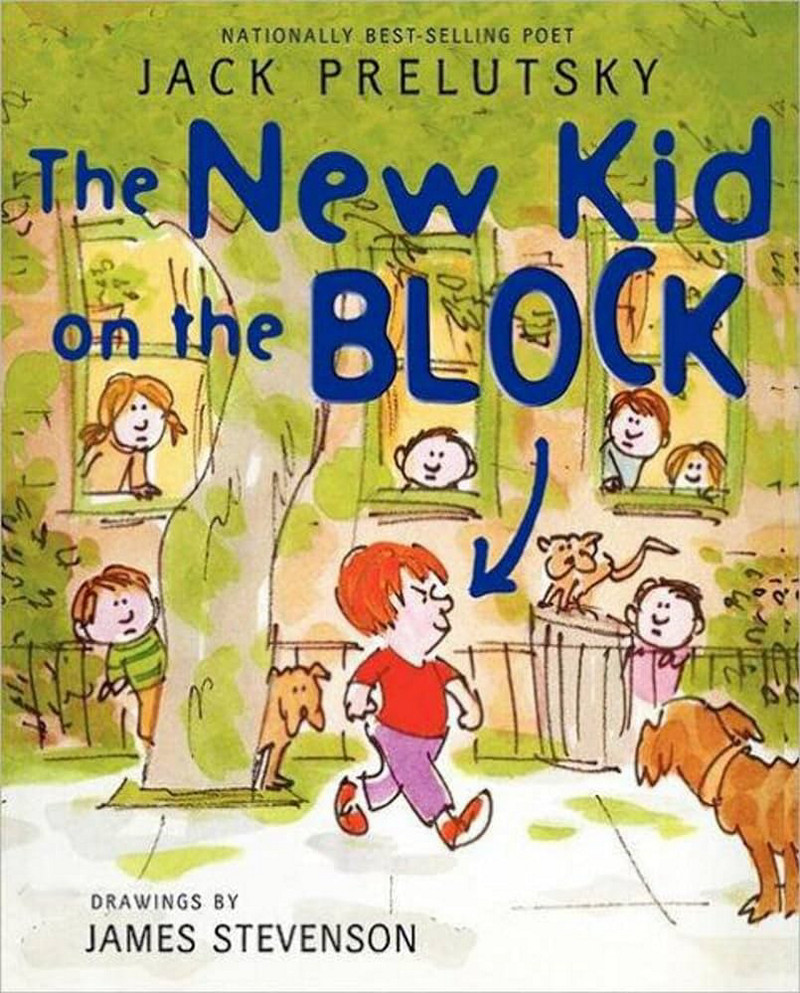
The New Kid on the Block
A collection of humorous and whimsical poems for children that touch on various subjects, like animals and people, with endearing illustrations.
- Published1984
- TypeBook
- GenrePoetry, Children's literature
- LanguageEnglish
About the Author

Jack Prelutsky
Jack Prelutsky, a beloved children's poet, known for his engaging and humorous poetry that inspires young readers.
View Profile- OccupationPoet
- FromUSA
-
Other Works
- Something Big Has Been Here (1990)
- A Pizza the Size of the Sun (1996)
- It's Raining Pigs & Noodles (2000)
- Be Glad Your Nose Is on Your Face (2008)
- My Dog May Be a Genius (2008)